Joel Greenblatt and Jim Farley: Two Very Different Kinds of Power
Biography, investing, cars, and the very different work that made each of them known
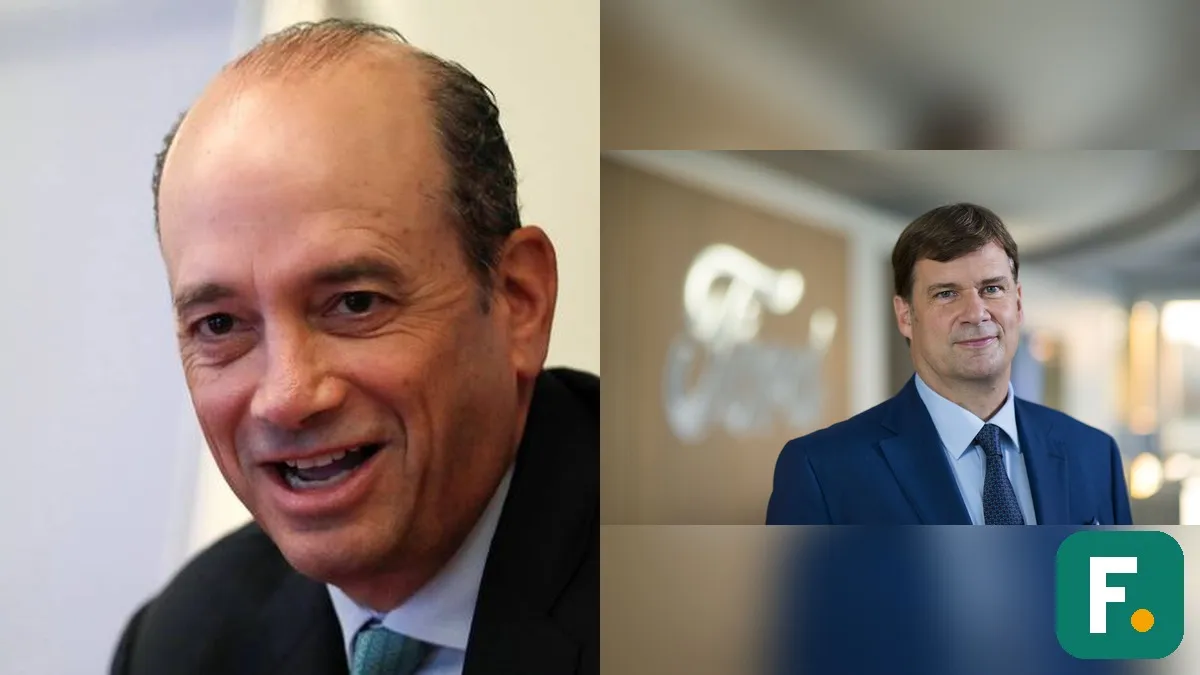
Two men, two trades, and not a single thing in common except the scale of what each of them pulled off. One of them spent forty years buying companies the rest of the market had stopped looking at, and then he wrote down exactly how he did it, in a book so short and so plain that a schoolboy could follow it. The other spent thirty five years selling cars, first for a Japanese firm that taught him to put the customer first, and then for the American firm his grandfather had served a century earlier, a firm he is now trying to rebuild around a cheap electric truck. Greenblatt turned $7 million into a legend. Farley turned a crisis into a second chance.
They work in different worlds and they think in different ways. Greenblatt thinks in numbers and in years, and his great skill is waiting: waiting for a price to fall below what a business is worth, and then waiting again for the rest of the market to catch up. Farley thinks in factories and in months, and his great skill is deciding: deciding which cars to build, which ones to stop building, and how to tell the world when a bet has gone wrong. One of them made his fortune by being patient. The other is trying to save a company by being honest. What follows is each man's story, told simply, with the facts as they are recorded.
Quick Facts: Joel Greenblatt and Jim Farley
| Joel Greenblatt | Jim Farley | |
|---|---|---|
| Full name | Joel Greenblatt | James Duncan Farley Jr. |
| Born | 13 December 1957, Great Neck, New York, USA | 10 June 1962, Buenos Aires, Argentina |
| Died | Living | Living |
| Main field | Value investor, author, and teacher | Car executive, chief executive of Ford |
| Best known for | The Magic Formula, Gotham Capital | Ford chief executive, F-150 Lightning, Mustang Mach-E |
| Career length | Investing since 1985 | Cars since 1990 |
| Public profile | One of the most respected value investors alive | One of the most watched car chiefs in America |
| Reported wealth | Online estimates range from about $500 million to about $1 billion, none verified | Online estimates range from about $50 million to about $73 million, none verified |
Before the stories begin, a note about the money. Neither man has ever shown the public his bank balance, so the wealth figures in this article come from websites that track famous people, not from any filing. Greenblatt's estimates spread wide, from about $500 million to about $1 billion, because his money sits in a private firm that reports nothing. Farley's estimates sit closer together, from about $50 million to about $73 million, because most of his pay is reported by a public company, and his 2025 pay was $27.5 million. Take both numbers as a rough guide, not as a final answer.
Who Is Joel Greenblatt?
Joel Greenblatt is an American investor, writer, and teacher, and most people who follow investing would call him one of the finest value investors alive. He opened his own fund in 1985 with $7 million, and in the ten years that followed it earned about 50 percent a year before fees, a run almost no fund has ever matched. He earned it in the quiet corners of the market, buying companies that were being split apart, sold off in bankruptcy, or caught in a merger, places where prices go wrong because hardly anyone is watching.
People know him for two things. First, that record, which made him rich and well known among professional investors. Second, the fact that he wrote the whole method down. His 2005 book, a bestseller, explains it in roughly 150 pages, in words a teenager can follow, and it has become one of the most read investing books in the world. He has also taught the subject for over twenty years at a top business school in New York, and he gives the method away free on a website anyone can use. He is sixty eight, and he still runs his firm.
Joel Greenblatt: Childhood and the First Break
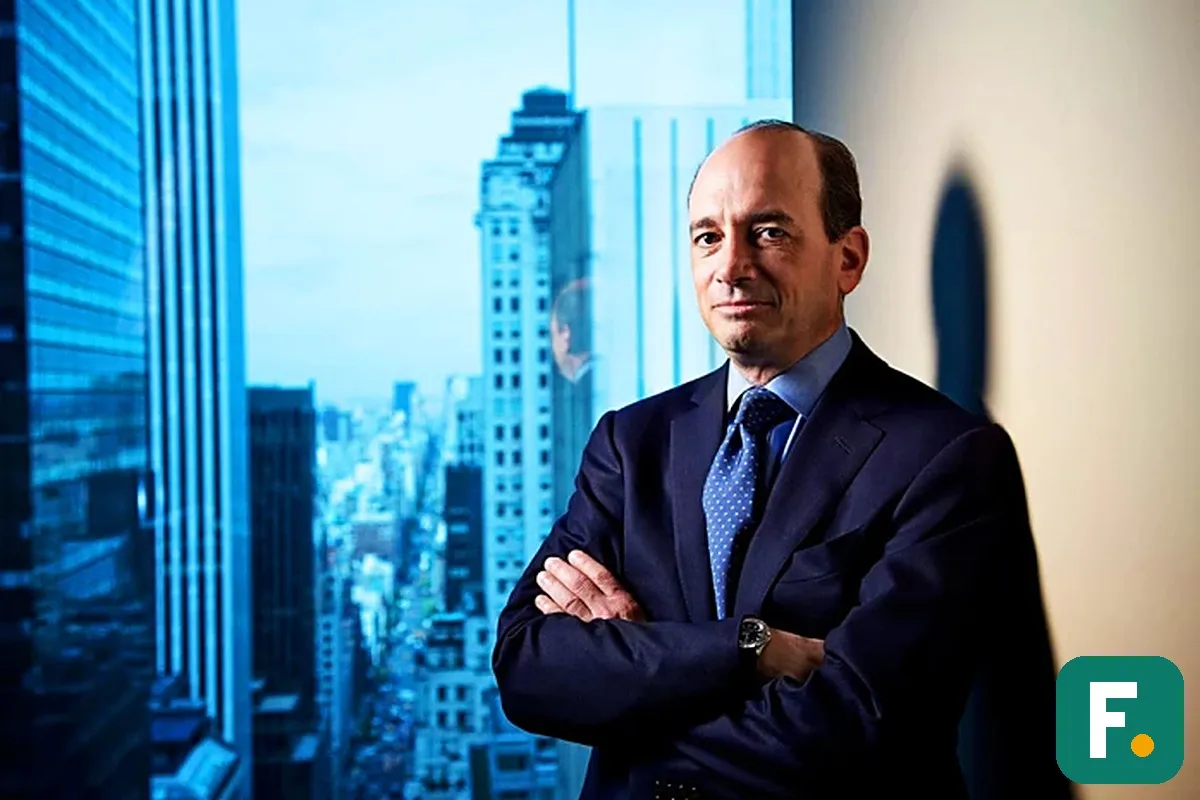
He was born on December 13, 1957, in Great Neck, a town on Long Island in New York, and he grew up in an ordinary middle class home. He went to the Wharton School at the University of Pennsylvania, the best known business school in America, and took his degree in 1979, then stayed for a master of business administration, which he took in 1980. At Wharton he read Benjamin Graham, who invented value investing, and Warren Buffett, Graham's best known student, and he came away with one clear idea: buy a good business only when its price is far below what it is worth.
His first job after Wharton was at a small investment firm, and it taught him where the bargains hide. The big firms all chased the same large, famous companies, and nobody paid attention to the small, odd corners. When a big company splits off a small division, the new shares go to investors who never asked for them, and many sell at once, pushing the price down for no good reason. When a company fails, its bonds and shares are sold by holders who are not allowed to keep them, which pushes prices down too. Greenblatt saw that these forced sales make bargains, and he built his firm around them.
He was twenty seven when he opened his own partnership in 1985, with $7 million, and he kept it small by choice, owning only a handful of stocks at a time and buying only when the price sat far below the value of the business. The fund climbed more than 70 percent in its first year, and across the next ten years it averaged about 50 percent a year before fees, turning one dollar into roughly forty. No fund of its size has matched that run since, and investing books still quote it today.
- Born on December 13, 1957, in Great Neck, New York, and raised in a middle class home.
- Took his degree at the Wharton School at the University of Pennsylvania in 1979, and his MBA there in 1980.
- Learned value investing from Benjamin Graham and Warren Buffett, and chose to buy good companies only at cheap prices.
- Opened his own investment partnership in 1985, at twenty seven, with $7 million, and kept it small by choice.
- The fund climbed more than 70 percent in its first year, and averaged about 50 percent a year before fees across the next ten years.
Also Read: Hillary Clinton and Gisele Bündchen: Two Very Different Kinds of Power
Joel Greenblatt: Gotham Capital and the Special Situations
The firm he started in 1985 was called Gotham Capital, after the fictional city in the Batman comics, and it was built on one idea: buy what other people are forced to sell. Greenblatt called these chances special situations, and they came in several forms. A spin-off, where a parent company gives its shareholders stock in a new, smaller company, and many of them sell it at once because they never wanted it. A restructuring, where a company sells parts of itself to pay its debts, and the pieces are worth more than the whole. A bankruptcy, where the old shares are nearly worthless but the new shares, issued after the company is fixed, can be very cheap. A merger, where one company buys another and the price of the deal creates a small, safe profit for anyone who reads the fine print.
Greenblatt was good at these because he read the documents other investors skipped. A spin-off filing can run to hundreds of pages, and it tells you exactly what the new company owns, what it owes, and who runs it. Most investors never open it. Greenblatt opened it, did the sums, and bought when the numbers said the price was wrong. He also knew that the best bargains appear when the seller has no choice. A fund that is only allowed to hold large companies must sell a small spin-off at once, whatever the price. A bank that is only allowed to hold safe bonds must sell a bankrupt company's bonds at once, whatever the price. Greenblatt was on the other side of those sales, buying patiently and waiting for the price to come back to what the business was worth.
After ten years he gave outside investors their money back and ran the firm with his partners' money only. The fund had grown too big for its own method: there are only so many spin-offs and bankruptcies in a year, and a large fund cannot buy them without pushing the price up. In 1999 he started the Value Investors Club with John Mihaljevic, a website where professional investors share their best ideas with each other, and only the best ideas are published. In 2008 he turned the old partnership into a new company, Gotham Asset Management, which he runs today with his partner Robert Goldstein as managing principal and co-chief investment officer. As of March 2026 the firm managed $32.6 billion, a very different business from the small partnership of 1985, but built on the same idea: buy good companies at cheap prices.
- Gotham Capital was founded in 1985 and built on special situations: spin-offs, restructurings, bankruptcies, and mergers.
- A spin-off often falls in price because shareholders who never wanted the new stock sell it at once, which creates a bargain.
- Greenblatt read the long filings other investors skipped, and bought when the numbers said the price was wrong.
- After ten years he gave outside investors their money back, because the fund had grown too big for its own method.
- He co-founded the Value Investors Club in 1999, and in 2008 the old partnership became Gotham Asset Management, which managed $32.6 billion as of March 2026.
Joel Greenblatt: The Magic Formula and the Books
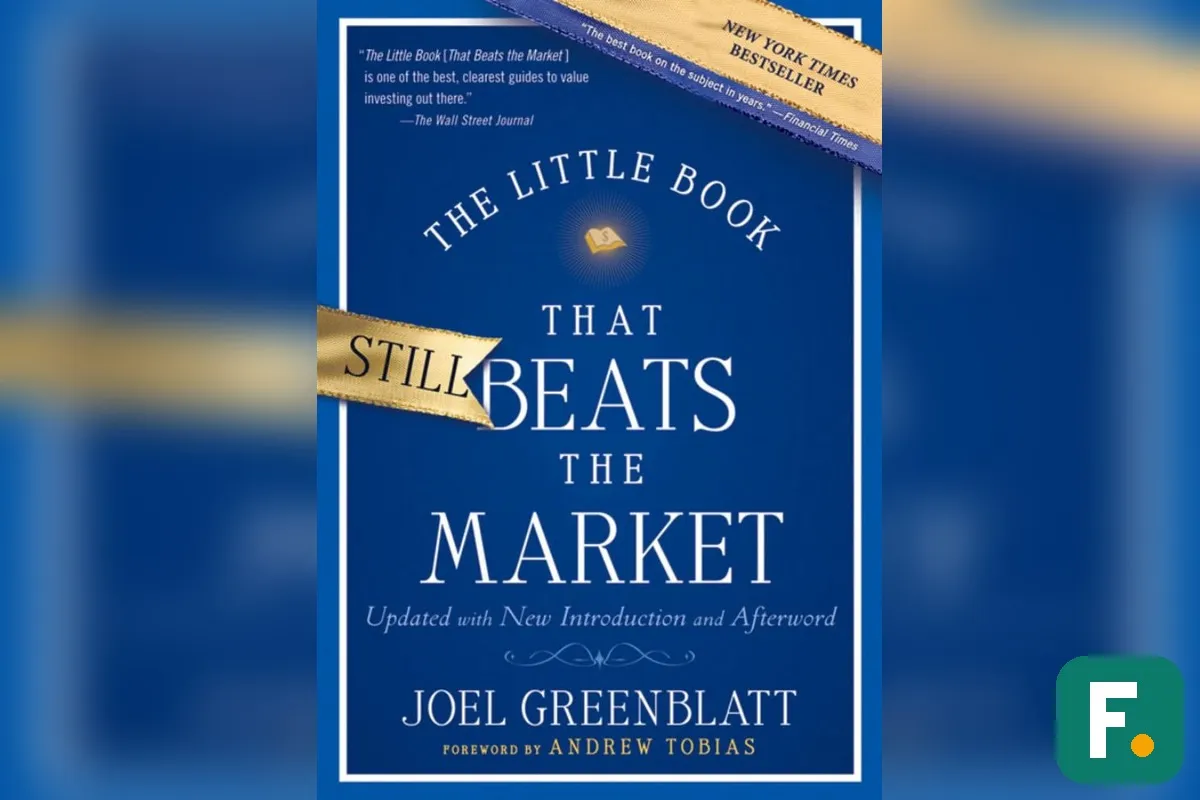
In 1997 Greenblatt published his first book, You Can Be a Stock Market Genius, a guide to the special situations he had spent twelve years trading. It became a classic among professional investors, but it was written for people who already knew the market. His second book was written for everyone else. The Little Book That Beats the Market came out in 2005, and it is one of the shortest and clearest investing books ever published. It tells the story of a boy and his teacher, and it explains a method Greenblatt called the Magic Formula, a way to pick stocks using only two numbers.
"Choosing individual stocks without any idea of what you're looking for is like running through a dynamite factory with a burning match."
Joel Greenblatt, The Little Book That Beats the Market, 2005
The line is the whole book in one sentence. The Magic Formula ranks every large stock on two measures, and buys the ones that score best on both. The first measure is earnings yield, which is a company's profit divided by what the whole business would cost to buy, and it tells you how cheap the stock is. The second measure is return on capital, which is a company's profit divided by the money it has invested in its business, and it tells you how good the business is. A company that scores well on both is a good business at a cheap price, and the formula buys the top thirty of them, holds them for a year, and then buys a fresh thirty. In the book's own back test, covering 1988 to 2004, that simple rule returned about 30.8 percent a year, against 12.4 percent a year for the S&P 500, the index of America's five hundred largest companies.
The book became a New York Times bestseller and sold more than 300,000 copies. In 2010 Greenblatt published an updated edition, The Little Book That Still Beats the Market, with a new introduction and a new afterword, and in 2011 he published The Big Secret for the Small Investor, which explained how ordinary savers could use the same ideas through low cost funds. In October 2009 he launched a free website, MagicFormulaInvesting.com, where anyone can run the formula and see the list of stocks it picks. He has always said the same thing about the method: it is simple, it is boring, and it only works if you follow it for years without giving up when it stops working for a while, which it does, sometimes for years at a time.
- First book, You Can Be a Stock Market Genius, published in 1997, a guide to special situations for professional investors.
- The Little Book That Beats the Market published in 2005, a New York Times bestseller that sold more than 300,000 copies.
- The Magic Formula ranks stocks on two measures: earnings yield, which shows how cheap a stock is, and return on capital, which shows how good the business is.
- The formula buys the top thirty stocks, holds them for a year, and then buys a fresh thirty.
- In the book's own back test from 1988 to 2004, the formula returned about 30.8 percent a year, against 12.4 percent for the S&P 500.
- Updated edition published in 2010, and a free website, MagicFormulaInvesting.com, launched in October 2009.
Also Read: Ginni Rometty and Evan Spiegel: Two Very Different Kinds of Power
Joel Greenblatt: The Teacher and the Giver

Since 1996 Greenblatt has taught at Columbia Business School in New York, the school where Benjamin Graham once taught and where Warren Buffett once studied. His course is called Value and Special Situation Investing, and it is one of the most popular classes in the school. He teaches it the way he invests: with real filings, real numbers, and real stories about deals that went wrong as well as deals that went right. His students have gone on to run funds of their own, and many of them say the class changed the way they think about money. He taught the course for more than two decades, and he is now listed as a former adjunct professor, but the class and its notes are still passed around by investors who never sat in the room.
Greenblatt has also given his time and his money away. He has supported public education projects, and he has argued in public that the country should do more for children who start life with nothing. In 2020 he published a book about it, Common Sense: The Investor's Guide to Equality, Opportunity, and Growth, in which he said that the same clear thinking he uses in investing should be used in public policy: look at the numbers, find what works, and do more of it. It is a very different book from his investing guides, but it comes from the same place: a man who believes that a simple rule, followed honestly, can fix a complicated problem.
- Has taught Value and Special Situation Investing at Columbia Business School since 1996, for more than two decades.
- The course uses real filings and real numbers, and it is one of the most popular classes in the school.
- Has supported public education projects, and in 2020 published Common Sense, a book about equality, opportunity, and growth.
- Still runs Gotham Asset Management with Robert Goldstein, as managing principal and co-chief investment officer.
Who Is Jim Farley?
Jim Farley is an American car executive who has run the Ford Motor Company as its chief executive since October 2020. He is the third chief executive Ford has had in six years, and he took the job at the hardest moment in the company's modern history: the car industry was changing from petrol to electric power, and Ford, a company founded in 1903, had to change with it or die. Farley bet the company on electric cars, spending $50 billion on them, and then he pulled the bet back when the numbers did not work, and told the world he had got it wrong. That honesty is rare for a chief executive, and it is why his story is worth telling.
Farley is known for two things above all. The first is where he came from: he spent seventeen years at a Japanese carmaker and its luxury brand, learning how to build cars people love and how to listen to customers, and he brought that discipline to Ford when he joined in 2007. The second is what he did as chief executive: he split Ford into three companies inside one, he launched an electric truck and an electric Mustang, he lost billions of dollars on them, and he is now betting the company's future on a $30,000 electric pickup truck that does not exist yet. He is sixty four years old, and he is still in the job, still racing old cars at weekends, and still trying to make Ford win.
Jim Farley: Childhood and the Toyota Years
His story starts in Buenos Aires, the capital of Argentina, where James Duncan Farley Jr. was born on June 10, 1962. His father was a banker working abroad, and the family soon moved back to America, settling in Greenwich, Connecticut. His parents called him Jimmy Car-Car, because he loved anything with wheels, and his grandfather had worked at Henry Ford's River Rouge plant in 1918, when the Model T was still being built. At fourteen he rebuilt a black 1966 Ford Mustang and drove it from California to Michigan to visit his grandfather, without a driving licence. The story is famous in Detroit, and it tells you everything about the boy: he loved cars, he loved Ford, and he did not wait for permission.
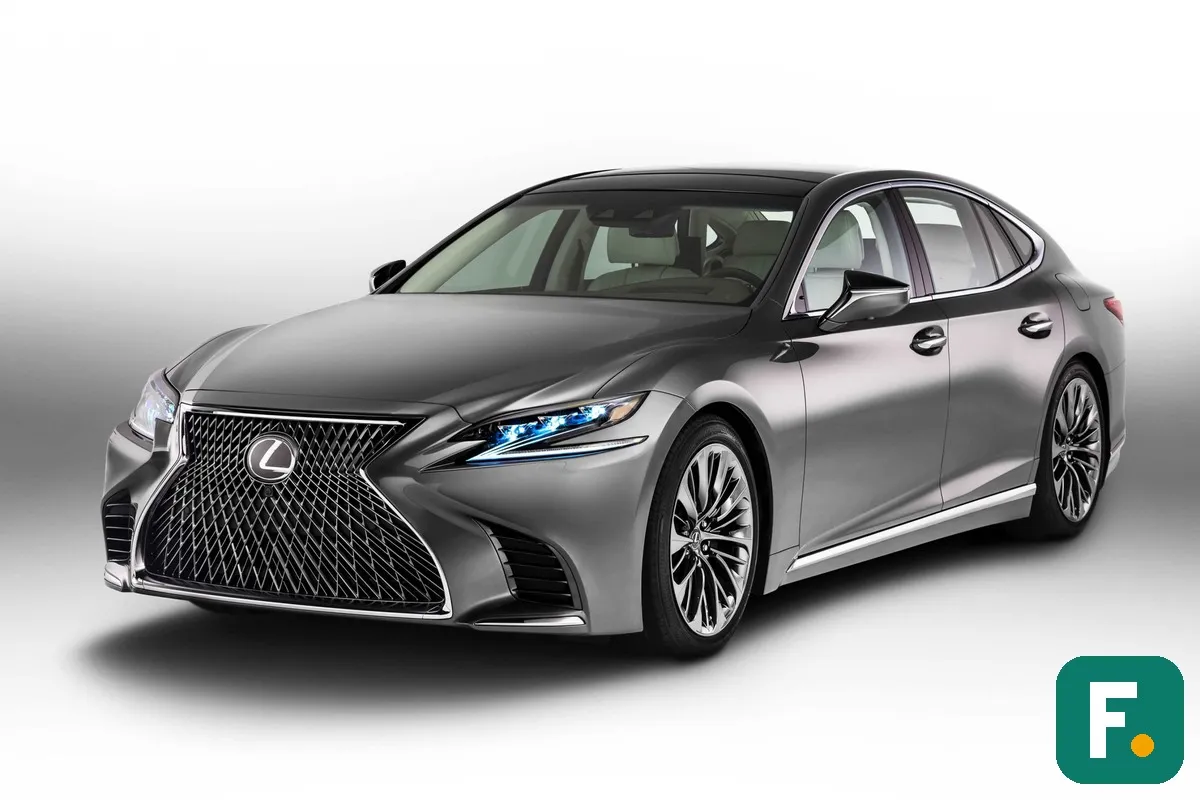
Farley went to Georgetown University, where he studied economics and computer science, and then to the University of California, Los Angeles, where he earned a master of business administration. He worked for a short time at IBM, selling computers, but cars pulled him back. In 1990 he joined Toyota, the Japanese carmaker, and he stayed for seventeen years. He worked on the launch of Lexus, the company's luxury brand in America, a brand built to beat the German luxury cars at their own game, and he later ran the whole brand as its group vice president and general manager, in charge of all its sales, marketing, and customer service. He also launched Scion, a small, cheap brand aimed at young buyers, and he learned the Toyota way of working: study the customer, fix the smallest problem, and never stop improving.
The Toyota years made him. He learned that a car company wins by listening to the people who buy its cars, not by telling them what to want, and he learned that quality is a habit, not a slogan. He also learned how a great company is run from the inside, with discipline and patience. When Ford came calling in 2007, he was ready. Alan Mulally, Ford's chief executive, and Bill Ford, the chairman and the great-grandson of the founder, recruited him themselves, and in November 2007 he joined Ford as group vice president of global marketing, sales, and service.
- Born James Duncan Farley Jr. on June 10, 1962, in Buenos Aires, Argentina, and grew up in Greenwich, Connecticut.
- His parents called him Jimmy Car-Car, and his grandfather had worked at Henry Ford's River Rouge plant in 1918.
- At fourteen he rebuilt a 1966 Ford Mustang and drove it from California to Michigan without a driving licence.
- Studied economics and computer science at Georgetown University, and earned an MBA from the University of California, Los Angeles.
- Joined Toyota in 1990, worked on the launch of its luxury brand in America, later ran the brand, and launched Scion for young buyers.
- Joined Ford in November 2007, recruited by chief executive Alan Mulally and chairman Bill Ford.
Also Read: Tom Kennedy and Anna Wintour: Two Very Different Kinds of Power
Jim Farley: Ford, the CEO Job, and the Electric Bet
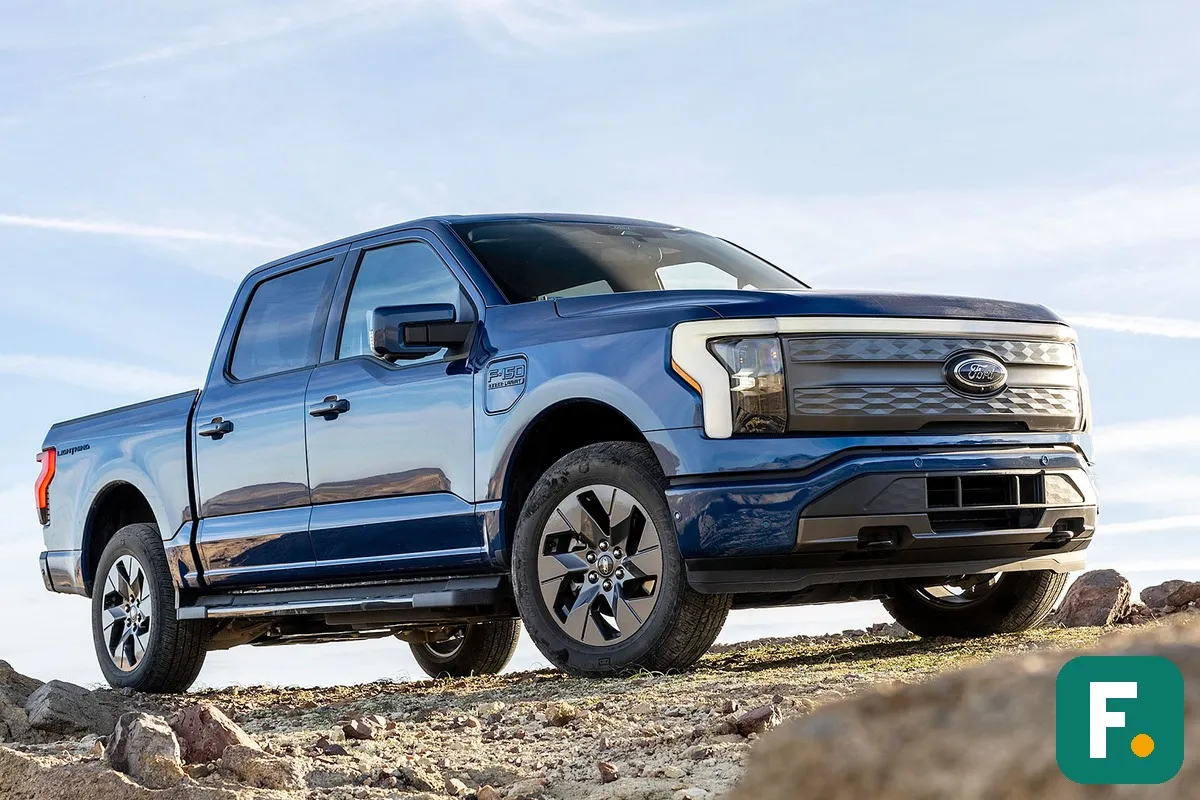
At Ford, Farley rose fast. From 2015 to 2017 he was chief executive and chairman of Ford Europe, and from June 2017 to May 2019 he was executive vice president and president of global markets. In March 2020 he became chief operating officer, and on October 1, 2020, he became chief executive, taking over from Jim Hackett. He was the third chief executive in six years, and the company was in trouble: it was losing money, its cars were old, and the whole industry was moving to electric power. Farley's answer was a plan called Ford+, announced in 2021, which split the company into three parts: Ford Blue, for petrol cars like the F-150, the Bronco, and the Mustang; Ford Model e, for electric cars; and Ford Pro, for commercial vehicles and services.
The electric bet was the heart of the plan. Ford promised to spend $50 billion on electric cars through 2026, to build 2 million electric cars a year by 2026, and to make half of everything it sold electric by 2030. The first two cars were bold choices. The Mustang Mach-E, an electric SUV given the name of America's most famous sports car, went on sale in late 2020, and Farley pushed the team to use the Mustang name to make the car feel alive, instead of building another dull electric box. The Ford F-150 Lightning, an electric version of America's best selling truck, went on sale in 2022, and it was the first electric truck from a major carmaker. Farley said the Mach-E was bringing in buyers Ford had never seen before, and he was right: most of its buyers had never owned a Ford.
"60% of Mach-E buyers are new to Ford. We're getting customers we've never seen before."
Jim Farley, chief executive of Ford, on the Mustang Mach-E
The plan worked at first. The Mach-E won praise, the Lightning won awards, and Ford became the second biggest seller of electric cars in America, behind Tesla. But the numbers behind the cars were bad. Electric cars cost far more to build than petrol cars, and Ford was losing money on every one it sold. The division that made them, Ford Model e, lost billions of dollars a year, and in 2025 Ford as a whole reported a net loss of $8.2 billion. Farley had bet the company on electric cars, and the bet was losing money faster than anyone had expected.
- Ran Ford Europe from 2015 to 2017, then global markets, then became chief operating officer in March 2020.
- Became chief executive on October 1, 2020, taking over from Jim Hackett, the third chief executive in six years.
- Launched the Ford+ plan in 2021, splitting Ford into Ford Blue for petrol cars, Ford Model e for electric cars, and Ford Pro for commercial vehicles.
- Promised $50 billion for electric cars through 2026, 2 million electric cars a year by 2026, and half of all sales electric by 2030.
- The Mustang Mach-E went on sale in late 2020 and the Ford F-150 Lightning in 2022, and most Mach-E buyers had never owned a Ford.
- Ford Model e lost billions of dollars a year, and Ford reported a net loss of $8.2 billion in 2025.
Jim Farley: The Pullback, Fathom, and Life Beyond Ford
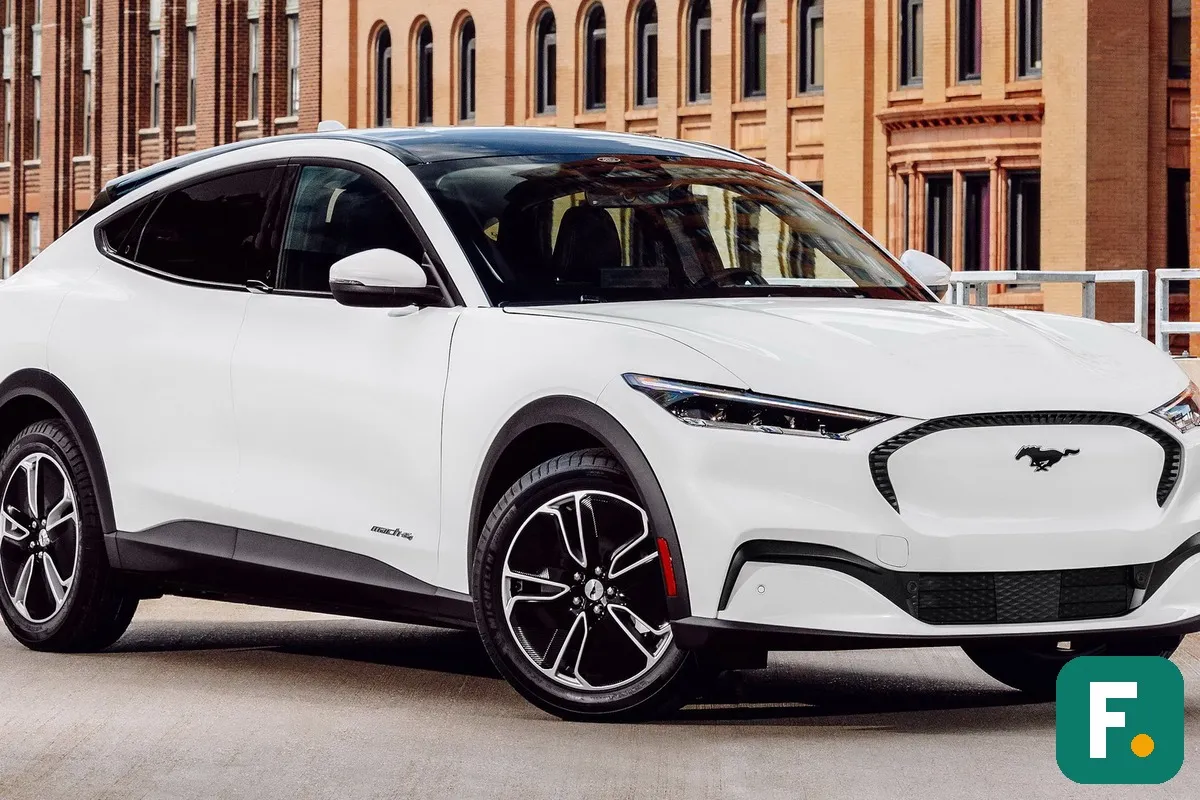
In 2024 and 2025 Farley changed course. He cancelled a large three row electric SUV, he cut production of the Mach-E to match demand, and he halted production of the Lightning. In December 2025 Ford said the Lightning would come back not as a pure electric truck but as an extended range hybrid, a truck with a petrol engine that charges its battery. The decision was painful, because the Lightning had been the best selling electric truck in America in 2025, with 27,307 sold, more than the Tesla Cybertruck. But Farley said the truck cost too much to build, and buyers would never pay what it cost. In March 2026, in an interview with Car and Driver, he said it plainly: he would have built the truck totally differently, knowing what he knows now, and the company's bias towards petrol engines had been so strong that it had not designed electric cars well.
The new bet is smaller, cheaper, and later. Ford is building a new electric platform called the Universal EV platform, and the first car on it will be a midsize electric pickup called the Fathom, priced at about $30,000, with production starting in late 2027. Farley has called it probably the biggest bet he has made as chief executive, and the most important car in Ford's future, and he has said the company can beat the Chinese carmakers on price by following the same rules that made the Model T cheap: simple parts, a simple design, and a factory built to make one thing well. In October 2026 he told Ford's workers that the company aims to sell 5 million cars a year by 2032, about a fifth more than it sells now, with five new models under $40,000 by the end of the decade.
Away from Ford, Farley is a different man. He is an amateur racing driver who races historic cars at weekends, including old Ford GT40s, and he is a cousin of the late comedian Chris Farley. In February 2026 he joined the board of McDonald's, and he had earlier served on the board of Harley-Davidson. His pay as Ford's chief executive was $27.5 million in 2025, his biggest year yet, made up of a $1.7 million salary, $18.8 million in stock, $5.7 million in bonuses, and the rest in other payments, while the typical Ford worker earned $93,397. He is sixty four, and he has said the cheap electric truck is the test of his whole time as chief executive: if it works, Ford has a future. If it does not, the company that built the Model T may not survive the change it started.
- Cancelled a large three row electric SUV, cut Mach-E production, and halted Lightning production in 2024 and 2025.
- In December 2025 Ford said the Lightning would return as an extended range hybrid, not a pure electric truck.
- The Lightning was still the best selling electric truck in America in 2025, with 27,307 sold, more than the Tesla Cybertruck.
- The new bet is the Fathom, a $30,000 electric pickup on the Universal EV platform, with production starting in late 2027.
- Aims to sell 5 million cars a year by 2032, with five new models under $40,000 by the end of the decade.
- Is an amateur racing driver of historic cars, a cousin of comedian Chris Farley, and joined the McDonald's board in February 2026.
- Earned $27.5 million in 2025, his biggest year as chief executive, while the typical Ford worker earned $93,397.
Two Careers, Side by Side
Set the two lives next to each other and the gap between them is the whole story. Greenblatt was born in 1957, five years before Farley, and he made his name by staying small, buying little, and waiting. Farley made his name by going big, building much, and moving fast. Greenblatt's best years came in the 1980s and 1990s, when he ran a tiny fund and beat the market by half every year. Farley's hardest years are happening now, in the 2020s, when he runs one of the biggest car companies in the world and is trying to change what it makes without breaking it. One of them finished his great work thirty years ago and now teaches it. The other is still in the middle of his.
- Starting point: Greenblatt grew up in a middle class home in New York and studied business at Wharton. Farley grew up in a banker's family, lived abroad as a child, and studied economics and computer science at Georgetown.
- First big break: Greenblatt started his own fund in 1985 with $7 million. Farley joined Toyota in 1990 and worked on the launch of its luxury brand.
- Work style: Greenblatt reads filings, does the sums, and buys when the price is wrong. Farley studies customers, fixes factories, and bets the company on new cars.
- Output: Greenblatt wrote books that taught millions of people how to invest, and his firm now manages $32.6 billion. Farley runs a company that sells millions of cars a year and employs tens of thousands of people.
- Money: Greenblatt's reported fortune, about $500 million to about $1 billion, comes from investing his own money well. Farley's reported fortune, about $50 million to about $73 million, comes from salary and stock as a public company chief executive.
- Public life: Greenblatt is sixty eight and in the second half of his career, teaching and writing. Farley is sixty four and still chief executive, with his biggest bet, the $30,000 truck, still two years away.
- Legacy: Greenblatt changed how ordinary people invest, by giving away a method that works. Farley is trying to change how America drives, by making an electric car ordinary people can afford.
- Risk: Greenblatt's risk was losing his own money on a bad stock. Farley's risk is losing a hundred year old company on a bad bet.
What People Often Get Wrong About Them
The first confusion to clear up is the idea that the two men are connected in any way. They are not related, they have never worked together, and no public record links one to the other. They appear together in this article only because each of them reached the top of his field, and the contrast between their two roads is worth seeing.
The second mistake is to say that Greenblatt made 50 percent a year, every year, with no risk. He did not. The 50 percent figure is the average before fees, over ten years, for a small private partnership, and it is his own account of it, not an audited public record. After fees the figure was closer to 30 percent a year, which is still extraordinary, but it is not the same number. The third mistake is to say that the Magic Formula always beats the market. It does not. The 30.8 percent figure comes from the book's own back test, and since the book was published the formula has had long stretches where it lost to the market, which is why Greenblatt himself says it only works if you follow it for years without giving up.
The fourth mistake is to say that Greenblatt is a billionaire. He may be, and some websites put his fortune at about $1 billion, but others put it at about $500 million, and no public filing proves either number, because his firm is private. The fifth mistake is to say that Farley comes from the Ford family, or that he founded Ford. He did not. His grandfather was a worker in a Ford plant, not an owner, and Farley came to Ford from Toyota, after seventeen years with a rival. The sixth mistake is to say that Ford killed the Lightning because nobody bought it. The Lightning was the best selling electric truck in America in 2025. Ford stopped it because it cost too much to build, not because nobody wanted it. The seventh mistake is to say that the $30,000 Fathom truck is on sale now. It is not. Production starts in late 2027, and until then it is a promise, not a car.
Frequently Asked Questions
1. Are Joel Greenblatt and Jim Farley related?
No. There is no family link, no business link, and no public friendship between them. One is an investor from New York who made his name buying cheap companies. The other is a car executive from Argentina and Connecticut who made his name running Ford. They appear in the same article because each of them reached the top of his field, and the contrast between their two roads is the point.
2. What is Joel Greenblatt's Magic Formula?
It is a simple way to pick stocks, explained in his 2005 book The Little Book That Beats the Market. The formula ranks every large stock on two measures, earnings yield, which shows how cheap a stock is, and return on capital, which shows how good the business is, and it buys the thirty stocks that score best on both. It holds them for a year and then buys a fresh thirty. In the book's own back test from 1988 to 2004, the formula returned about 30.8 percent a year, against 12.4 percent for the S&P 500.
3. Did Gotham Capital really return 50 percent a year?
That is the figure Greenblatt himself gives for his fund from 1985 to 1994, about 50 percent a year before fees, and about 30 percent a year after fees. It is his own account of a small private partnership, not an audited public record, and the fund was small, holding only a handful of stocks at a time. Nobody has disputed the figure, but it is not the same as the return of a public fund, and Greenblatt gave outside investors their money back after ten years because the fund had grown too big for its own method.
4. What did Jim Farley do at Toyota and Lexus?
He joined Toyota in 1990 and stayed for seventeen years. He worked on the launch of the company's luxury brand in America, later ran the whole brand as group vice president and general manager, and launched Scion, a small brand aimed at young buyers. He learned the Toyota way of working, study the customer and fix the smallest problem, and he brought that discipline to Ford when he joined in 2007.
5. Why did Ford pull back on electric vehicles?
Because the electric cars cost far more to build than buyers would pay. The division that made them, Ford Model e, lost billions of dollars a year, and Ford reported a net loss of $8.2 billion in 2025. Farley cancelled a large electric SUV, cut production of the Mach-E, and halted the Lightning, which will return as an extended range hybrid. The new plan is a cheaper electric truck, the Fathom, priced at about $30,000, with production starting in late 2027.
6. What are their net worths?
Online estimates put Joel Greenblatt's fortune at about $500 million to about $1 billion, and Jim Farley's at about $50 million to about $73 million, but neither figure comes from a public filing, so both are only a rough guide. Farley's pay is public because Ford is a public company: he earned $27.5 million in 2025, his biggest year as chief executive, while the typical Ford worker earned $93,397.
Conclusion
Two men, two kinds of power, and two very different lessons. Greenblatt spent his life proving that a simple rule, followed without emotion, can beat the smartest people in the market, and he did it by reading the documents nobody else read and buying the companies nobody else wanted. He kept his firm small, he gave his method away in a book, and he went back to teaching, because the work was the point, not the money. Farley spent his life proving that a car company can change what it builds without losing what it is, and he did it by listening to customers, by betting big on electric cars, and then by admitting, in public, that the bet was wrong and starting again with a cheaper truck.
What joins them is not a friendship or a family link, because there is none. What joins them is the size of the rooms they walked into, and the fact that neither room was built for them. Greenblatt walked into a market that rewards noise and speed, and he won by being quiet and patient. Farley walked into a company that had not changed in a hundred years, and he is trying to change it before the world changes it for him. Both of them did the same simple thing, in very different ways: they looked at the numbers, they trusted what the numbers said, and they did not let other people decide when their work was done.

About the author
Facts of Media Editorial Team
The Facts of Media Editorial Team is dedicated to delivering accurate, informative, and engaging content across media, technology, business, entertainment, and trending topics. Our team researches and reviews information to provide readers with reliable insights, useful facts, and the latest updates.
Related Articles
More in Biography
Masayoshi Son and Greg Hayes: Two Very Different Kinds of Power
Biography feature
BiographyMasayoshi Son and Greg Hayes biography with SoftBank, the Vision Fund, Alibaba, RTX, Raytheon merger, and two different routes to the top, explained simply.
Read article
David Lawler and Bruce Broussard: Two Very Different Kinds of Power
Biography feature
BiographyDavid Lawler and Bruce Broussard biography with BP America, Caturus, Humana, the Aetna breakup, and two different routes to the top, explained simply.
Read article
Olivia Rodrigo and Tyra Banks: Two Very Different Kinds of Power
Biography feature
BiographyOlivia Rodrigo and Tyra Banks biography with drivers license, Sour, Guts, America's Next Top Model, and two different routes to the top, explained simply.
Read article