David Lawler and Bruce Broussard: Two Very Different Kinds of Power
Biography, oil and gas, health insurance, and the very different work that made each of them known
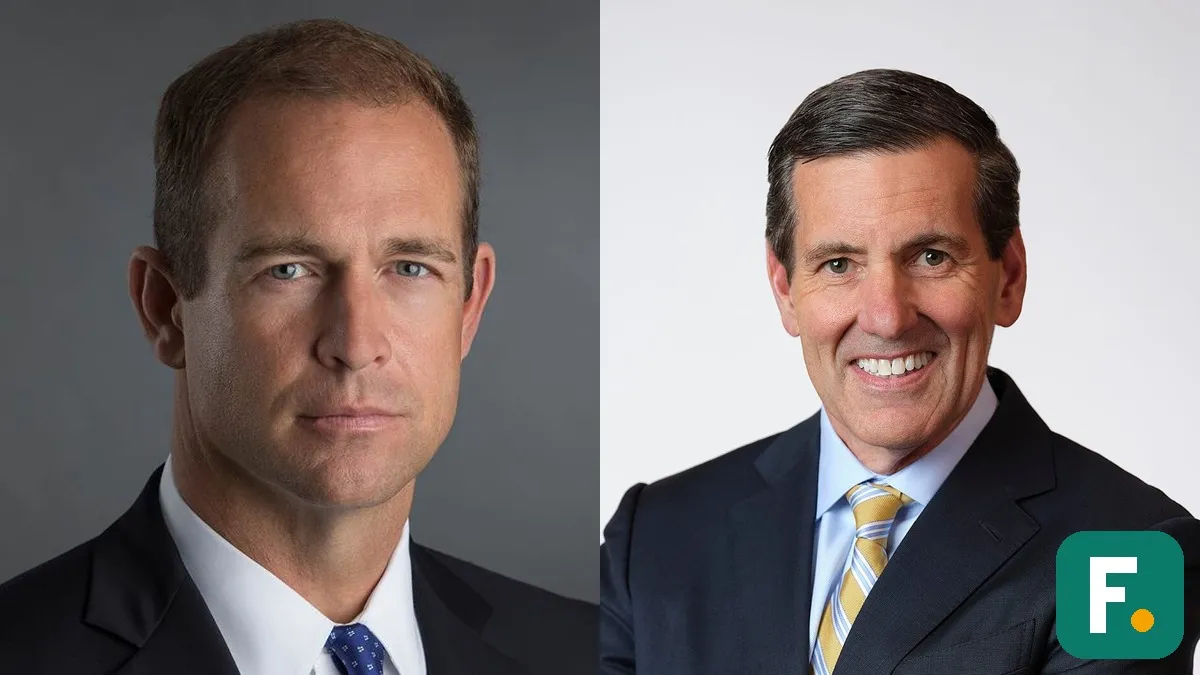
One man runs a gas company that did not exist two years ago, built from Texas shale fields and a port that is still being built on the coast of Louisiana. The other ran one of the biggest health insurers in America for eleven years, walked away from a $37 billion merger a judge would not allow, and then took charge of a computer company at sixty four. David Lawler spent his life in oil fields and drilling rigs, learning how gas moves from rock to market. Bruce Broussard spent his life in hospitals and insurance offices, learning how care for old people is paid for. Their worlds never touch, but their careers rhyme: both men took over a business that had to change, and both of them bet everything on one big idea.
Lawler's idea is simple to say and hard to do: take gas from the ground in Texas, move it through your own pipes and your own trading business, and sell it overseas as liquefied natural gas, all inside one company, so that no middleman takes a cut at any step. Broussard's idea is just as simple and just as hard: stop paying for sickness after it happens, and start paying for care that keeps people healthy, with clinics the insurer owns itself. One man builds pipes and terminals. The other builds clinics and health plans. Both of them had to persuade thousands of people to follow a plan that looked wrong at first, and both of them are still judged on whether the plan works.
Quick Facts: David Lawler and Bruce Broussard
| David Lawler | Bruce Broussard | |
|---|---|---|
| Full name | David C. Lawler | Bruce Dale Broussard |
| Born | 1967, Denver, Colorado, USA (exact date not published) | 1961 or 1962, Hamilton, New York, USA |
| Died | Living | Living |
| Main field | Oil and gas executive | Health insurance executive |
| Best known for | BP America and BPX Energy, now chief executive of Caturus | Chief executive of Humana from 2013 to 2024, now interim chief executive of HP |
| Career length | In energy since 1990, more than 35 years | In healthcare since 1987, more than 35 years |
| Public profile | One of America's leading shale and LNG executives | One of America's leading health insurance executives |
| Reported wealth | No reliable public estimate | Online estimates put it at about $50 million to about $70 million, none verified |
Here is what the money numbers do and do not mean. For Lawler there is no number to give, because no reliable source has ever published one. He ran BP America, which is part of a British company, so his pay was never filed in public, and the gas company he runs now is private, so it reports nothing either. For Broussard there are numbers, but they are only estimates from websites that track famous chief executives, and they sit between about $50 million and about $70 million. He ran a public company for eleven years, so his yearly pay was filed, and his 2016 pay alone was $19.7 million, but a pay packet is not the same as a fortune, and no bank balance has ever been shown. So take the Broussard figure as a loose estimate, and take the Lawler figure as unknown, because that is what the record actually shows.
Who Is David Lawler?
David Lawler is an American oil and gas executive who has spent more than thirty five years turning rocks into fuel and fuel into money. He is the chief executive of a new gas and liquefied natural gas company that takes gas from wells in Texas and plans to ship it overseas from a terminal in Louisiana. Before that he ran BP's business in America, first as the head of its onshore shale company and then as chairman and president of the whole American operation, a job that put him in charge of tens of thousands of workers and more than $150 billion of investment. He is not a famous man outside the energy business, but inside it he is known as the person who built BP's American shale business into one of the biggest in the country.
Lawler is known for two things. The first is the deal he led in 2018, when BP spent $10.5 billion on another firm's shale fields in America, a purchase larger than any the company had struck in over twenty years, a deal that turned its onshore business into a giant overnight. The second is the way he left: he walked out of BP in October 2023, three weeks after the company's chief executive resigned, and within a year he was running a small gas company of his own, building the same kind of business from scratch, only this time with gas going overseas instead of oil staying at home. He is in his late fifties, and he is still building.
David Lawler: Childhood and the First Break
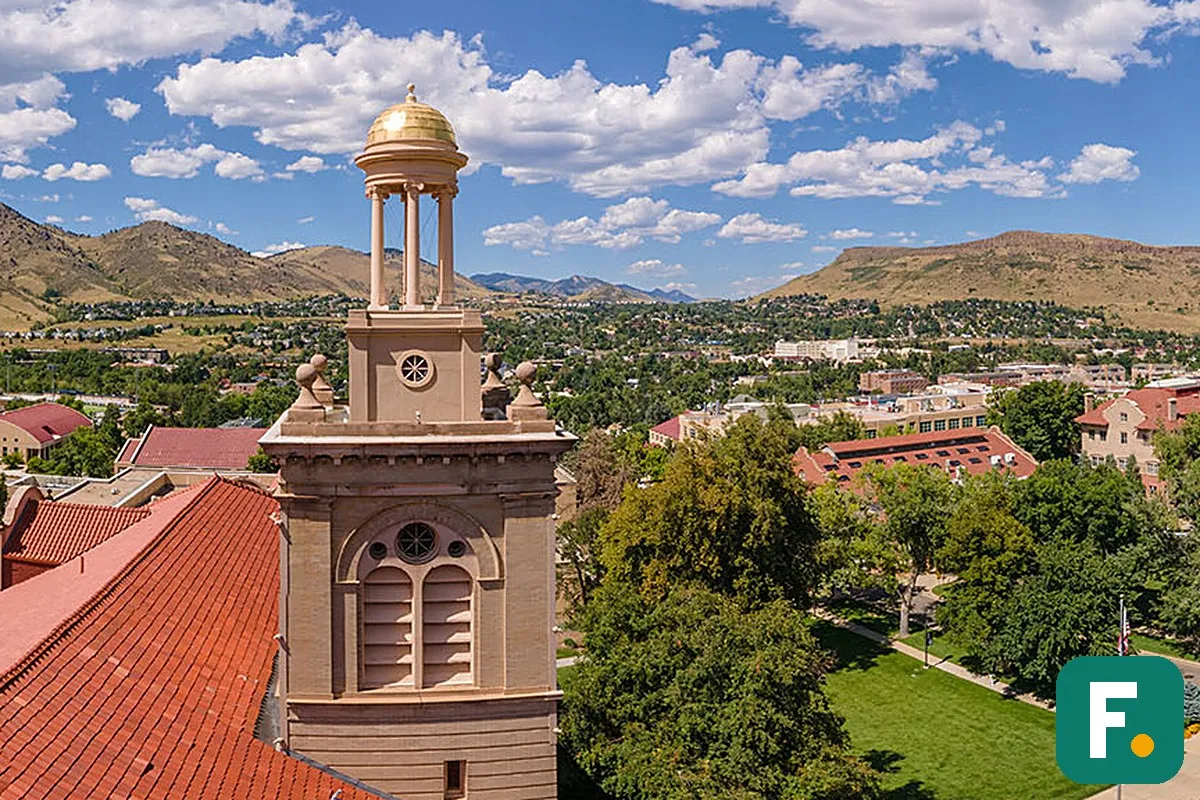
His story starts in Denver, Colorado, where David Lawler was born in 1967. His father, Morris, worked the night shift as a pressman for the Denver Post, leaving home at eight in the evening and coming back at four in the morning, and his mother, Nancy, worked a string of jobs while she raised three children: Susan, the oldest, Doug, and David. Morris was also a champion chess player and a man who loved books, and David has said the house held thousands of them, which is how he fell in love with reading. Both parents pushed their children toward maths and science, and both boys ended up studying petroleum engineering at the Colorado School of Mines, Doug in the class of 1988 and David in the class of 1990.
The family story did not end with David. His older brother Doug took the same road, studying petroleum engineering at the same school and going into the same business, and in January 2023 he became president and chief executive of Continental Resources, one of America's biggest independent oil producers. Two brothers from the same Denver house, both running big energy companies at the same time, is a rare thing in the oil business, and David has said the credit belongs to their parents, who pushed both boys toward maths and science and filled the house with books.
At Mines, David sat on the student council and served as a student trustee on the board, the same board he would join as a full trustee thirty years later. It was there that he met Russ Wood, a graduate from the class of 1949, who became his mentor. He finished his degree in 1990, in a year when oil prices were low and jobs were scarce, and he took his first job with Conoco in Houston, working on production technology. From there he moved to Burlington Resources in Denver as a drilling engineer, drilling horizontal wells, and then to Shell, where he spent ten years, first as a deep water drilling engineer and later working directly for the president and chief executive of Shell's exploration and production company, Raoul Restucci.
Shell also sent him to business school. He earned a master of business administration from Tulane University in 2003, and after that he left the big companies behind. He joined a small coal bed methane company in Oklahoma called PostRock Energy, and ran it as president and chief executive for four years, learning how a small firm lives or dies on its own decisions. In 2011 he moved to SandRidge Energy as executive vice president and chief operating officer, and three years later BP came calling.
- Born in 1967 in Denver, Colorado, and raised with an older brother, Doug, and an older sister, Susan.
- Father Morris worked the night shift as a pressman for the Denver Post and was a champion chess player; mother Nancy worked several jobs.
- Studied petroleum engineering at the Colorado School of Mines, graduating in 1990, and earned an MBA from Tulane University in 2003.
- Began his career as a production engineer with Conoco, then worked as a drilling engineer for Burlington Resources and spent ten years at Shell.
- Ran the small firm PostRock Energy as president and chief executive, then served as chief operating officer of SandRidge Energy.
Also Read: Olivia Rodrigo and Tyra Banks: Two Very Different Kinds of Power
David Lawler: The Shale Years
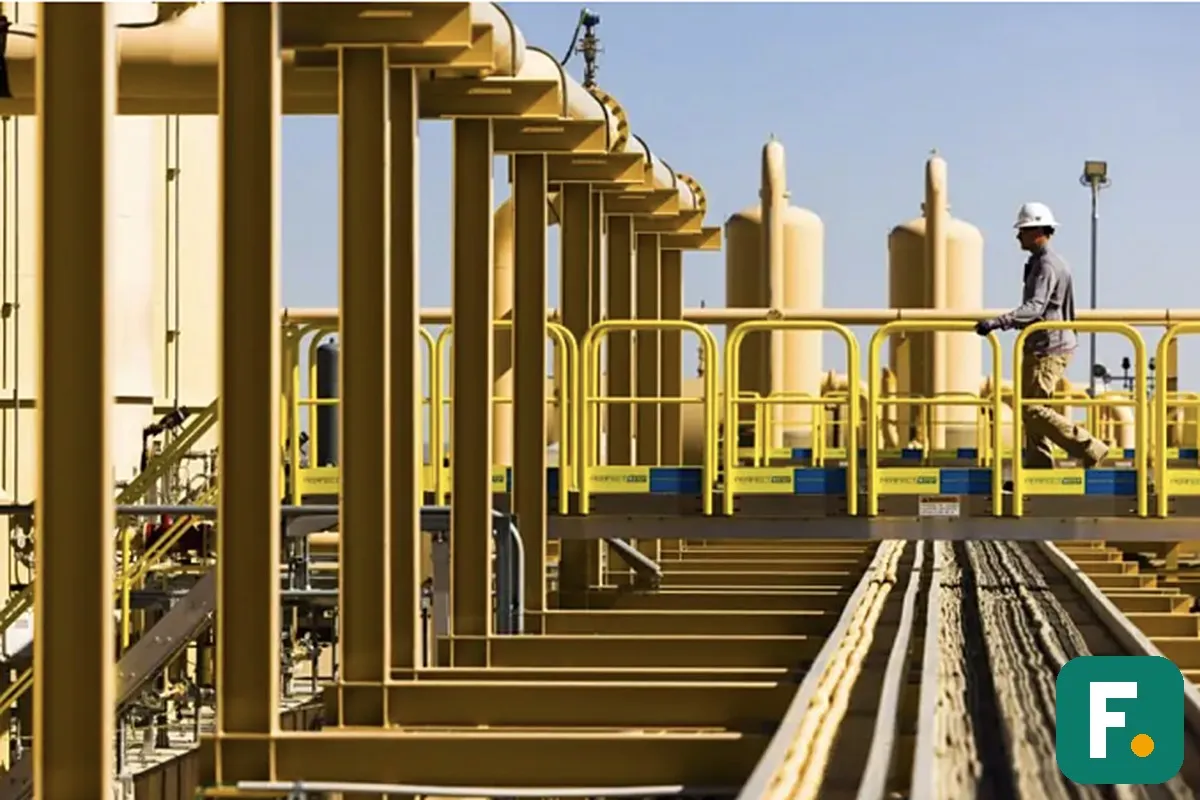
In 2014 Lawler joined BP as the chief executive of its lower forty eight business, the onshore oil and gas operation that would soon be renamed BPX Energy. It was a small, rough part of BP, built from shale fields in Texas and the southern states, and Lawler's job was to make it a business BP could be proud of. He kept it small and fast, drilled only where the rock was good, and sold off the fields that did not earn their keep. Within four years it was one of the largest onshore producers in America.
The turning point came in 2018, when Lawler ran BP's $10.5 billion deal for the shale fields BHP owned in America, the largest purchase the company had made in over two decades. The deal gave BPX a huge new position in the Permian Basin in Texas and New Mexico, the richest oil field in the country, and it turned the company into one of the top producers there overnight. Lawler ran the purchase and the work of folding the new fields into BPX, and the result showed in the numbers: the business he had taken over as a side project was now one of the best performing onshore companies in the United States.
The deal changed BPX's shape. Before it, the business was a collection of smaller fields scattered across Texas and the south. After it, BPX held a leading position in the Permian, the field that produces more oil than any other in America, and the company had to fold new wells and new workers into a business that had been small and quick. Lawler ran it the way he had run the small firms before it: small teams, fast decisions, and a habit of selling any field that did not earn its keep.
"bpx is easily now one of the very top businesses for bp, and it's widely recognized as one of the largest and best performing onshore companies in the United States."
David Lawler, speaking about BPX Energy in 2023
In the summer of 2020 Lawler took on a second job as well, taking the top post in the United States, chairman and president of BP America, while he stayed in charge of the shale business. As BP's chief representative in the country he spoke for businesses that employed 30,000 people and had put more than $150 billion to work since 2005. He also helped shape BP America's plan for the energy transition, covering renewable power, charging for electric cars, hydrogen, refining, and capturing carbon. In October 2021 he gave evidence to a committee of the United States House of Representatives about the oil business, and in 2023 he was one of the main speakers at CERAWeek, the energy industry's biggest meeting.
- Joined BP in 2014 as chief executive of its onshore business in the lower forty eight states, later named BPX Energy.
- Ran the $10.5 billion deal for BHP's shale fields in America in 2018, the largest purchase BP had made in over twenty years.
- Built BPX into one of the largest and best performing onshore producers in the United States.
- Became chairman and president of BP America on July 1, 2020, while still running BPX, and left BP in October 2023.
David Lawler: BP America, Caturus, and the LNG Bet
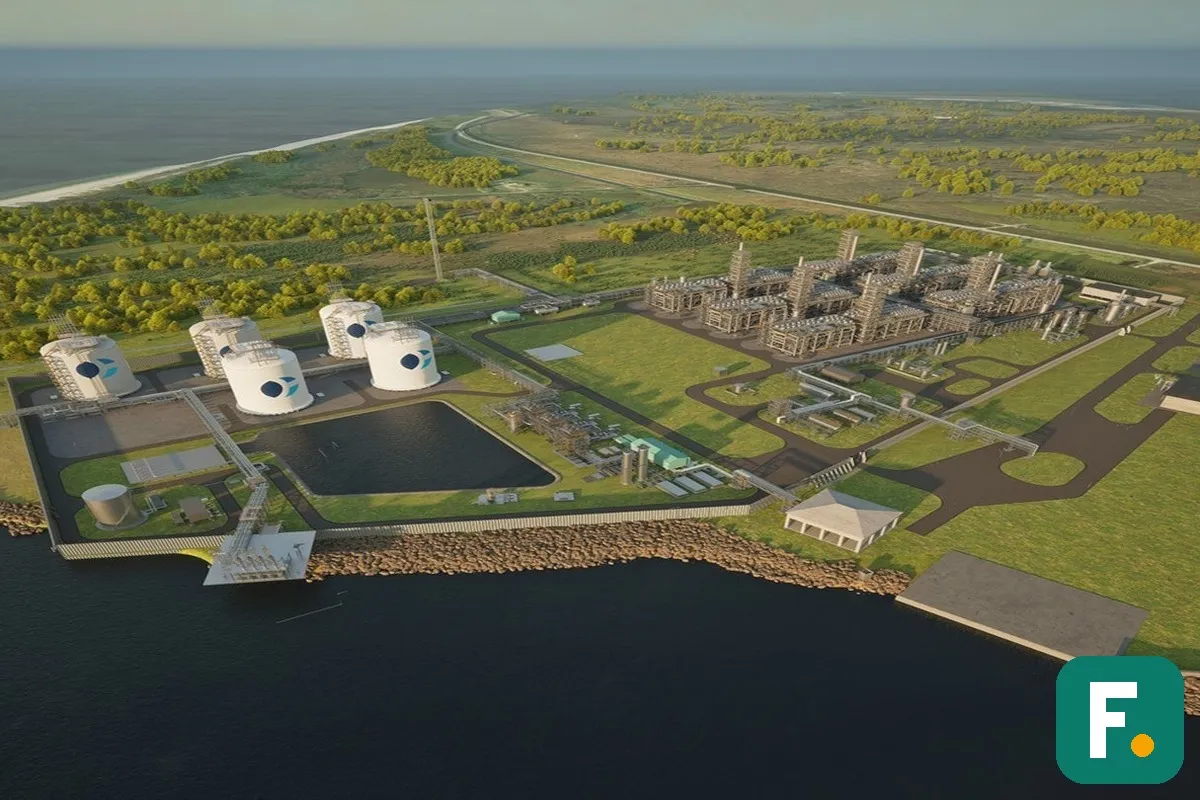
Lawler did not stay out of work for long. In 2024 he became chief executive of Kimmeridge Texas Gas, a gas producer owned by the energy investor Kimmeridge, and a director of Commonwealth LNG, a company planning a liquefied natural gas export terminal on the coast of Louisiana. Then, on August 7, 2025, Kimmeridge closed a big investment from Mubadala Energy of Abu Dhabi and gave the whole platform a new name: Caturus. Lawler stayed on as chief executive of the new company, with the job of building America's leading independent gas and LNG business.
Caturus works on a simple idea that Lawler calls wellhead to water: produce the gas yourself, move it through your own pipes and trading business, and ship it overseas yourself from your own terminal, so that no middleman takes a cut at any step. The platform has two parts. The first is Caturus Energy, the old Kimmeridge Texas Gas, which produces more than 600 million cubic feet of gas a day from about 200,000 acres in Texas, and later grew past one billion cubic feet a day from about 280,000 acres. The second is Commonwealth LNG, a terminal near Cameron, Louisiana, built to export 9.5 million tonnes of liquefied natural gas a year.
In May 2026 Caturus took the final investment decision on Commonwealth LNG and closed $9.75 billion of financing to build it, the biggest step in the company's short life. Lawler said at the time that global gas demand was unquestionably accelerating and that Caturus was positioned to be a differentiated leader across the value chain from upstream production to LNG export. The company has also kept buying gas fields, including the Galvan Ranch assets in South Texas, about 60,000 acres producing about 250 million cubic feet a day. In August 2026 he told an industry meeting in Texas that Caturus rests on three pillars: producing the gas, marketing and trading it, and the export terminal itself.
- Became chief executive of Kimmeridge Texas Gas in 2024 and a director of Commonwealth LNG.
- In August 2025 the platform was renamed Caturus after a strategic investment from Mubadala Energy, with Lawler as chief executive.
- Caturus combines gas production in Texas with a 9.5 million tonne a year LNG export terminal near Cameron, Louisiana.
- Took the final investment decision on Commonwealth LNG in May 2026, with $9.75 billion of project financing.
Also Read: Hillary Clinton and Gisele Bündchen: Two Very Different Kinds of Power
Who Is Bruce Broussard?
Bruce Broussard is an American health insurance executive who ran one of the biggest health insurers in the United States for eleven years and then, at sixty four, took charge of a computer company instead. He joined the insurer as president in 2011 and became its chief executive in January 2013, and under him the company's yearly revenue more than doubled, from about $39 billion to more than $106 billion. He is known for a bet that changed the company: after a $37 billion merger fell apart, he stopped chasing size and started buying doctors' clinics instead, so that the insurer could look after its own patients. In February 2026 he was named interim chief executive of a computer and printer company.
Broussard is known for two things. The first is the way he built the company's clinics business, called CenterWell, turning an insurer into a company that also delivers care, with doctors and nurses working for the same firm that pays the bills. The second is the way he handled the failed merger: when a federal judge blocked the deal, he had a plan ready the same day, and he told investors the company was ready to go and could execute on it very easily. He is a certified public accountant by training, a first generation college graduate, and a man who has said his biggest lessons came from his mistakes.
Bruce Broussard: Childhood and the First Steps in Healthcare
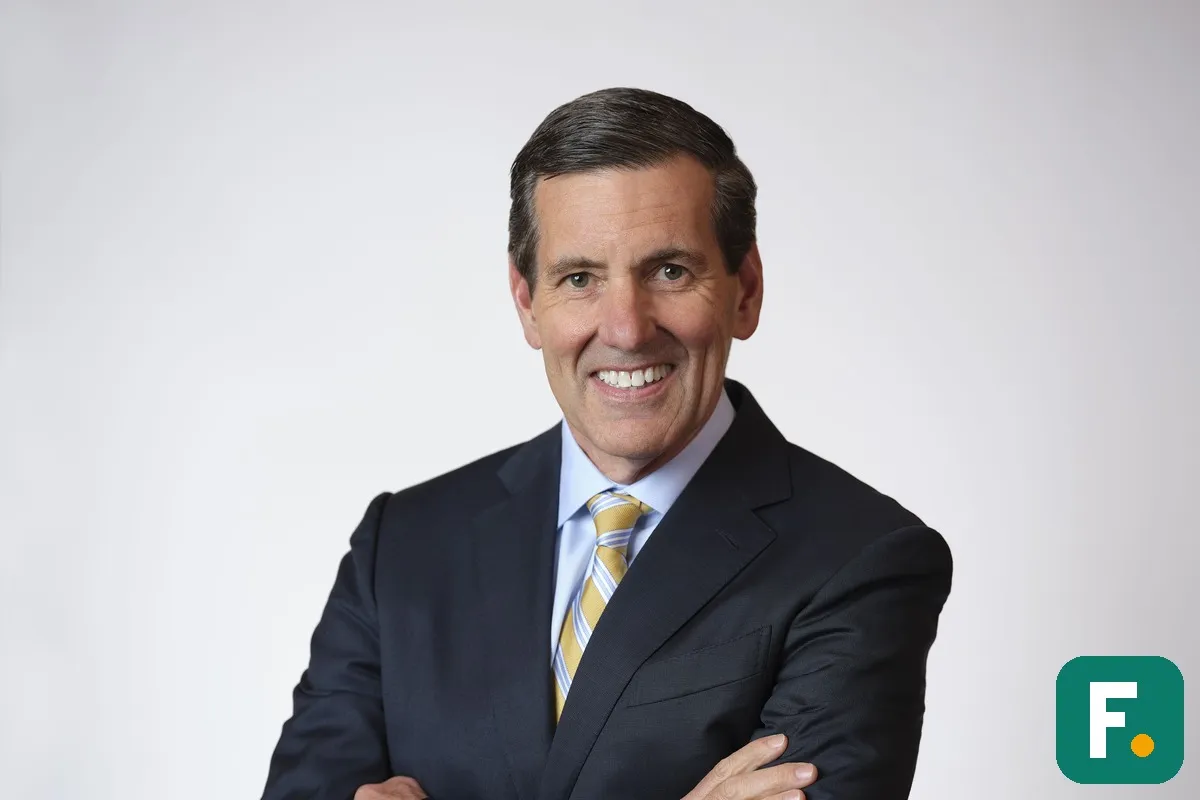
His story starts in Hamilton, a small town in New York, where Bruce Dale Broussard was born in 1961 or 1962. His father, Wilbert, served in the United States Air Force and later worked in technology for telephone companies, and his mother, Sandy, kept the family going. Nobody in the family had been to college before him, and at school a counsellor told him he should go to vocational school instead. He decided otherwise, and applied to universities in Texas instead.
He was accepted by the University of Texas, and he went to its orientation in the summer, but by the end of it he knew he would never be happy there. He chose Texas A&M University instead, and studied finance and accounting at its Mays Business School, graduating in 1984. He went on to earn a master of business administration in finance from the University of Houston, and he qualified as a certified public accountant. The degree changed his life: a boy whose counsellor had written him off was now an accountant with a university education, and he has said since that the mistakes he made along the way taught him more than his successes.
- Born in 1961 or 1962 in Hamilton, New York, the son of Wilbert and Sandy Broussard, and the first in his family to go to college.
- A school counsellor told him to go to vocational school, but he chose university instead.
- Studied finance and accounting at Texas A&M University, graduating in 1984, and earned an MBA in finance from the University of Houston.
- Qualified as a certified public accountant before he turned thirty.
Also Read: Ginni Rometty and Evan Spiegel: Two Very Different Kinds of Power
Bruce Broussard: US Oncology, McKesson, and the Road to Humana
Broussard began his working life in 1987 as a manager at Price Waterhouse, the accounting firm, and spent three years there before he moved into healthcare for good. In 1990 he became vice president and treasurer of Continental Medical Systems, and three years later he was chief financial officer of Sun Healthcare Group. A year after that he held the same job at Regency Health Services, and from 1997 to 2000 he was chief executive of Harbor Dental, a chain of dental practices. He had learned the whole business from the inside: how a clinic earns money, how it pays its bills, and how it grows.
In 2000 he joined US Oncology, a company that ran cancer treatment centres across America. He was its chief financial officer for six years, became president in 2005, chief executive in 2008, and chairman of the board in 2009. The company was bought by McKesson, the drug distributor, in 2010, and Broussard stayed on to run the combined cancer business, McKesson Specialty, as its chief executive. By then he had spent a decade in cancer care, and he knew the oncology business better than almost anyone in America.
In 2011 he joined Humana as president, and in January 2013 he was promoted to chief executive, succeeding Michael B. McCallister. It was the biggest job of his life: a public company with tens of thousands of workers, millions of members, and a business built on Medicare, the government health plan for older Americans. He would run it for eleven years.
- Started at Price Waterhouse in 1987, then held finance jobs at Continental Medical Systems, Sun Healthcare Group, and Regency Health Services.
- Was chief executive of Harbor Dental from 1997 to 2000.
- Joined US Oncology in 2000, became its chief executive in 2008 and chairman in 2009, and ran McKesson Specialty after McKesson bought the company in 2010.
- Joined Humana as president in 2011 and became chief executive in January 2013.
Bruce Broussard: Humana, the Aetna Breakup, and the Primary Care Bet
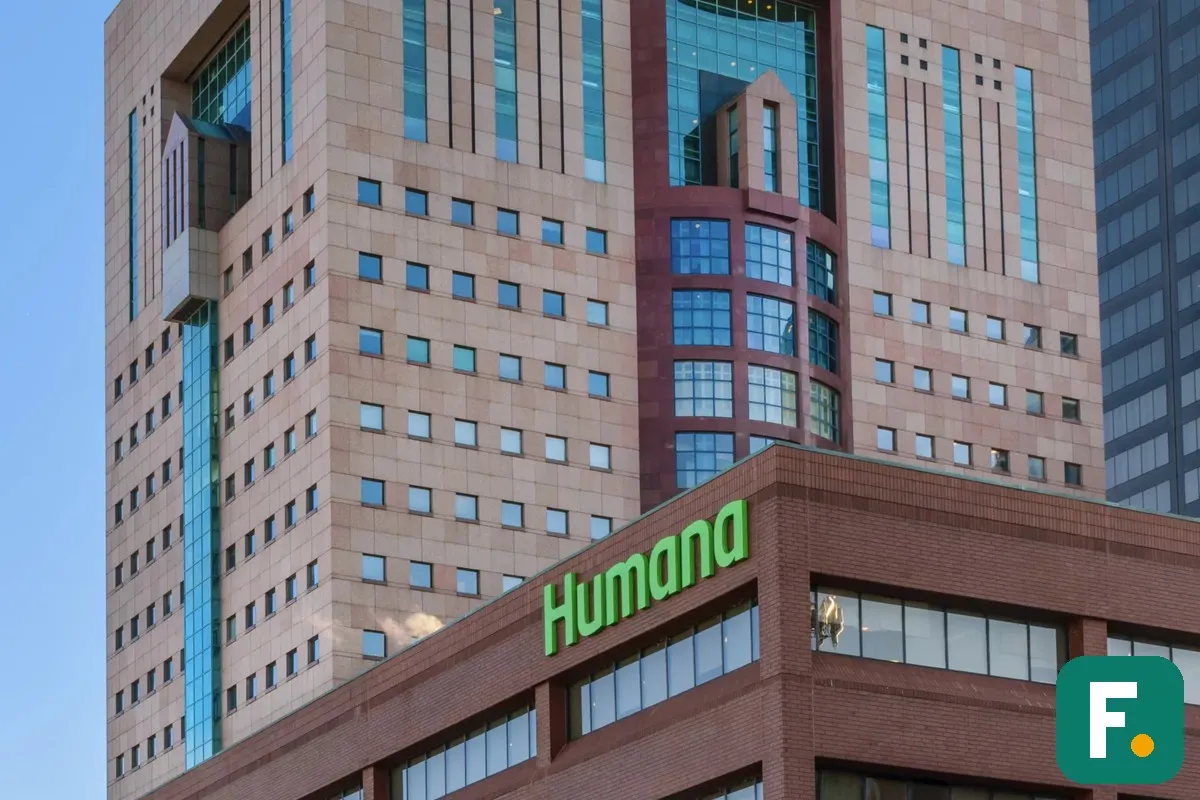
Broussard's first big test came from a deal he wanted. On July 2, 2015, Humana agreed to be bought by Aetna, a rival insurer, for $37 billion, a deal that would have joined two of the biggest names in American health insurance. The United States Justice Department sued to stop it, saying it would push prices up and leave older people with fewer choices, and on January 23, 2017, a federal judge in Washington, John D. Bates, agreed and blocked the deal, ruling that it would substantially lessen competition in Medicare Advantage, the private version of Medicare, in hundreds of counties.
Three weeks later, on February 14, 2017, the two companies called the deal off for good, and Aetna had to pay Humana a $1 billion breakup fee. Broussard told investors on a conference call that afternoon that the timing was hard to miss: the deal had been signed on Independence Day weekend and broken on Valentine's Day. Humana's first quarter profit that year jumped, helped by a net gain of $947 million from the end of the merger, and Broussard said the results showed the company's strength as an independent firm.
"We find it ironic that we signed the deal with Aetna on Independence Day weekend and that the deal broke on Valentine's Day."
Bruce Broussard, on a call with investors, February 14, 2017
The breakup changed Humana's direction. Broussard stopped trying to grow by buying rivals and started buying clinics instead, building the CenterWell primary care business so that Humana could treat its own members, mostly older people with long term illnesses, in its own doctors' offices. He also pulled Humana out of the individual insurance marketplaces created by the Affordable Care Act, saying the company would not go back into the exchanges even if they became viable again, and he doubled down on Medicare Advantage, the business Humana knew best. Under him the company's revenue grew from $39.1 billion in 2012 to $92.9 billion in 2022, and its net income doubled to $2.8 billion.
By the time he left, Humana's yearly revenue had passed $106 billion, more than double the $39.1 billion it had taken in the year before he became chief executive. The company he left behind looked very different from the one he had joined: it owned clinics, it ran its own health services, and it made most of its money from Medicare Advantage, the business of insuring older Americans, rather than from selling policies to people of working age. Broussard's bet was that the future of health insurance was not in selling more policies but in looking after the people who already held them, and the numbers said the bet was paying off.
- Agreed a $37 billion sale to Aetna in July 2015, blocked by a federal judge in January 2017 and called off on February 14, 2017, with a $1 billion breakup fee paid to Humana.
- Built the CenterWell primary care clinic business after the breakup, so Humana could treat its own members.
- Left the individual insurance marketplaces in 2018 and focused the company on Medicare Advantage.
- Grew yearly revenue from $39.1 billion in 2012 to $92.9 billion in 2022, with net income doubling to $2.8 billion.
Bruce Broussard: The HP Job and Life After Humana
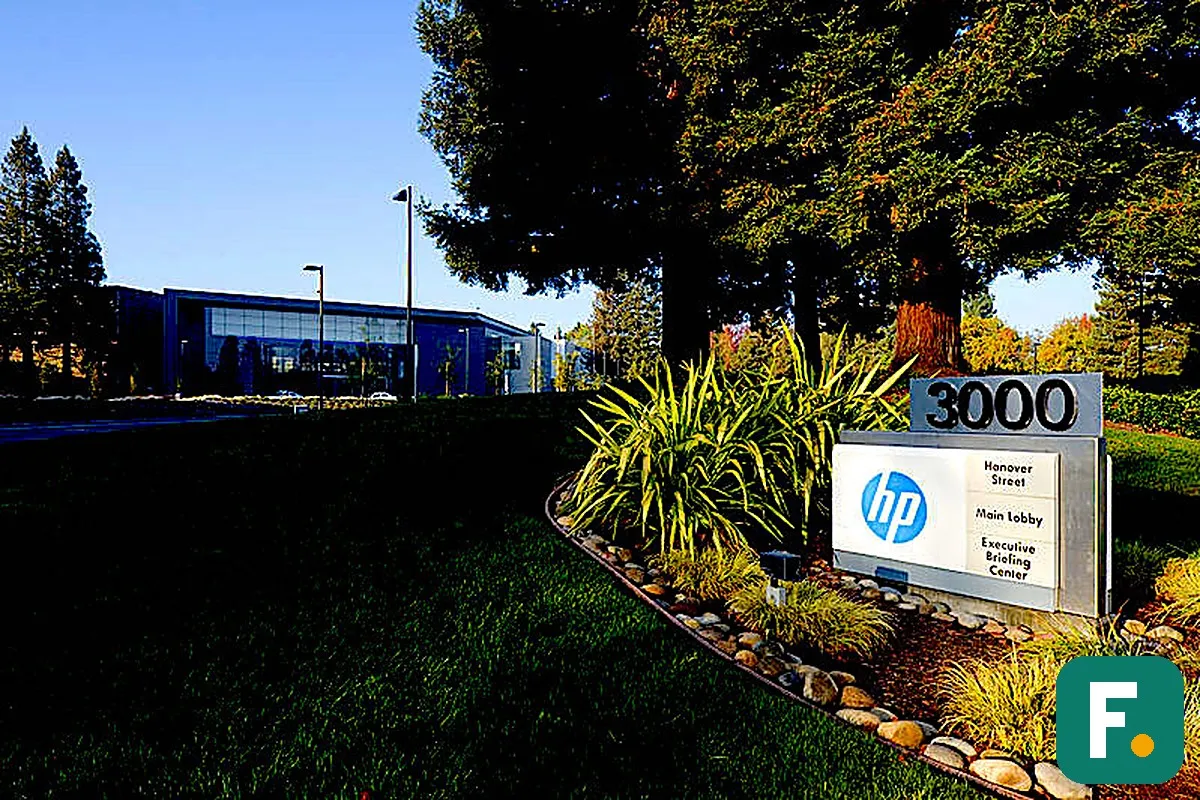
On June 30, 2024, Broussard stepped down as chief executive of Humana, and Jim Rechtin, the former head of Envision Healthcare, took over the next day. Broussard stayed on as a strategic adviser into 2025, and he joined the boards of several big companies, including the Cleveland Clinic and Marsh McLennan, which he joined in July 2025. He also stayed on as chair of the Trust for the National Mall in Washington, a charity that looks after the capital's famous park, and as a former chair of America's Health Insurance Plans, the insurers' trade group.
Then, in February 2026, HP Inc. named him interim chief executive, putting a healthcare man in charge of one of the world's biggest computer and printer companies. It was a surprise to many, but the board wanted a steady hand who had run a Fortune 50 company for more than a decade, and Broussard had done exactly that. He lives with his wife Janine, to whom he has been married for more than thirty years, and their children are Clay and Carly. In a podcast recorded by his old university in 2026, he said his biggest lessons had come from the mistakes he had made, and that he did not regret them, because they had let him move faster to where he wanted to go.
- Stepped down as Humana chief executive on June 30, 2024, succeeded by Jim Rechtin, and stayed as a strategic adviser into 2025.
- Joined the boards of the Cleveland Clinic and Marsh McLennan, and chaired the Trust for the National Mall.
- Named interim chief executive of HP Inc. in February 2026.
Two Careers, Side by Side
Lawler and Broussard both ran companies with tens of thousands of workers, and both of them took the top job in their early fifties and held it for about a decade. Lawler took over BP's American business at forty seven and left at fifty six. Broussard took over Humana in his early fifties and left in his early sixties. Both of them are builders rather than buyers at heart: Lawler built a shale business from fields other companies had ignored, and Broussard built a clinics business from doctors' offices other insurers had ignored.
- Field: Lawler, oil and gas. Broussard, health insurance.
- Signature deal: Lawler, the $10.5 billion deal for BHP's shale fields in America in 2018. Broussard, the $37 billion Aetna merger that a judge blocked in 2017.
- Signature build: Lawler, BPX Energy and now Caturus. Broussard, CenterWell clinics and Medicare Advantage.
- Leadership style: Lawler, a field engineer who rose through drilling and operations. Broussard, an accountant who rose through finance and cancer care.
- Current role: Lawler, chief executive of Caturus. Broussard, interim chief executive of HP Inc.
- Wealth: Lawler, no reliable public estimate. Broussard, about $50 million to about $70 million, none verified.
What People Often Get Wrong About Them
The first confusion to clear up is the idea that the two men are connected in any way. They are not related, they have never worked together, and no public record links one to the other. They appear together in this article only because each of them reached the top of his field, and the contrast between their two roads is worth seeing.
The second mistake is to say that Lawler founded BP or BPX Energy. He did not. BP is more than a century old, and Lawler joined its onshore business in 2014 and built it up; he did not create the company. The third mistake is to say that Lawler is a billionaire with a published fortune. No reliable source has ever put a number on his wealth, so any figure you see for him is a guess, not a fact. The fourth mistake is to say that Broussard sold Humana to Aetna. The $37 billion deal was blocked by a federal judge in 2017 and called off, and Aetna paid Humana $1 billion for the breakup. The fifth mistake is to say that Broussard retired when he left Humana in 2024. He stayed as an adviser, joined several boards, and in 2026 became interim chief executive of HP. The sixth mistake is to say that Broussard's birth year is settled. Sources give 1961 or 1962, so any article that states one year as certain is guessing. The seventh mistake is to say that Lawler's exact birth date is known. It has never been published. Only the year, 1967, can be worked out from the ages given in news reports.
Frequently Asked Questions
1. Are David Lawler and Bruce Broussard related?
No. They work in different industries, one in oil and gas and the other in health insurance, and there is no family link, no friendship, and no business link between them that anyone has recorded. They appear in the same article because each of them reached the top of his field by building a business other people had overlooked.
2. What did David Lawler do at BP?
He joined BP in 2014 to run its onshore oil and gas business in the lower forty eight states, later called BPX Energy, and in 2018 he led the $10.5 billion deal for BHP's shale fields in America. In 2020 he also became chairman and president of BP America, the top job in the United States, and he held both jobs until he left BP in October 2023.
3. What is Caturus and what does it do?
Caturus is the gas and liquefied natural gas company Lawler has run since 2025, formed when Kimmeridge renamed its gas platform after an investment from Mubadala Energy. It produces gas from wells in Texas, moves it through its own trading business, and plans to ship it overseas from its Commonwealth LNG terminal near Cameron, Louisiana, a plan Lawler calls wellhead to water. The terminal took its final investment decision in May 2026 with $9.75 billion of financing.
4. Why did the Aetna and Humana merger fail?
Aetna agreed to buy Humana for $37 billion in July 2015, but the United States Justice Department sued to stop the deal, and on January 23, 2017, a federal judge blocked it, ruling that it would substantially lessen competition in Medicare Advantage. The two companies called the deal off on February 14, 2017, and Aetna paid Humana a $1 billion breakup fee.
5. What is Bruce Broussard doing now?
He stepped down as chief executive of Humana on June 30, 2024, stayed as a strategic adviser into 2025, and joined the boards of the Cleveland Clinic and Marsh McLennan. In February 2026 he was named interim chief executive of HP Inc., the computer and printer company.
6. What are their net worths?
For Lawler there is no reliable public estimate at all, because his pay at BP America was never filed in public and the company he runs now is private. For Broussard, websites that track chief executives put his fortune at about $50 million to about $70 million, but none of those figures is verified, so treat them as rough estimates.
Conclusion
Lawler and Broussard prove that there is more than one way to run a big company. Lawler's way is to go where the work is, learn the ground under your feet, and build something that can stand on its own, first a shale business inside BP and now a gas company of his own. Broussard's way is to learn the numbers first, then learn the people the numbers stand for, and to change direction fast when a judge, a market, or a merger tells you the plan is wrong. Neither man waited for permission, and neither man stayed in the job he started with.
What joins them is not a shared history, because they have none. What joins them is the size of the bet each of them made and the patience each of them showed while the bet played out. Lawler is still building his terminal in Louisiana, and Broussard is still learning a new industry at HP. Both of them are a reminder that the best chief executives are not the ones with the loudest plans, but the ones who can change the plan and keep the company standing.

About the author
Facts of Media Editorial Team
The Facts of Media Editorial Team is dedicated to delivering accurate, informative, and engaging content across media, technology, business, entertainment, and trending topics. Our team researches and reviews information to provide readers with reliable insights, useful facts, and the latest updates.
Related Articles
More in Biography
Masayoshi Son and Greg Hayes: Two Very Different Kinds of Power
Biography feature
BiographyMasayoshi Son and Greg Hayes biography with SoftBank, the Vision Fund, Alibaba, RTX, Raytheon merger, and two different routes to the top, explained simply.
Read article
Joel Greenblatt and Jim Farley: Two Very Different Kinds of Power
Biography feature
BiographyJoel Greenblatt and Jim Farley biography with Magic Formula, Gotham Capital, Ford, the F-150 Lightning, and two different routes to the top, explained simply.
Read article
Olivia Rodrigo and Tyra Banks: Two Very Different Kinds of Power
Biography feature
BiographyOlivia Rodrigo and Tyra Banks biography with drivers license, Sour, Guts, America's Next Top Model, and two different routes to the top, explained simply.
Read article