Masayoshi Son and Greg Hayes: Two Very Different Kinds of Power
Biography, technology investing, aerospace, and the very different work that made each of them known
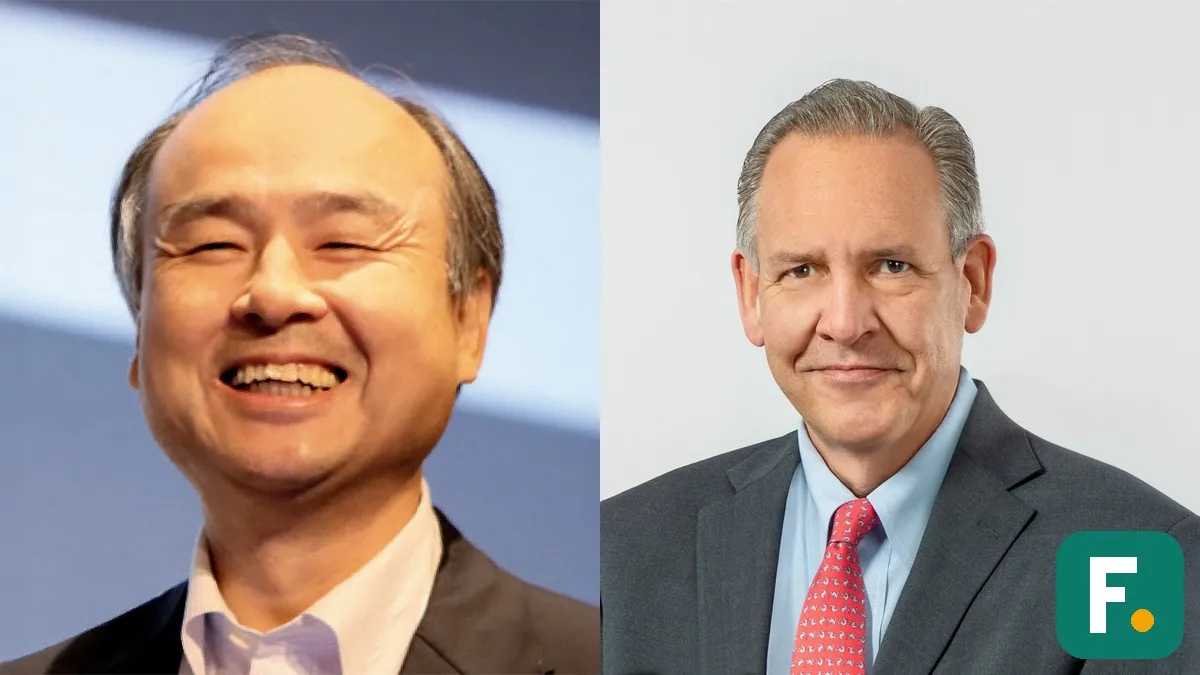
One man bets billions of dollars on the future and is happy to lose most of it first. The other builds a giant company by joining two old ones together and then takes it apart again to make it stronger. Masayoshi Son made his name by guessing where technology would go next. Greg Hayes made his name by buying, selling, and merging the companies that build aeroplanes and missiles. They have never met as business partners, they are not related, and no public record links one to the other. They appear in the same article because each of them reached the top of his field by a road the other would never have taken.
Below, each life is laid out in order, from childhood to the top job, with the numbers as they were reported and the doubts left in place where the record is not certain. The first half belongs to Son, the investor from Japan who turned $20 million into one of the greatest bets in history. The second half belongs to Hayes, the accountant from New York who ran the biggest aerospace deal of his generation. The end of the article puts the two men side by side, so the reader can see what they share and where they part.
Quick Facts: Masayoshi Son and Greg Hayes
Money first, because the numbers in this article need a warning. Neither man has ever shown the public his bank balance, so the wealth figures here come from public reports, not from any official filing. For Son, the number moves with SoftBank's share price: Forbes put it at about $63 billion in September 2026, after it had briefly touched $100.7 billion that June. For Hayes, there is no reliable number at all, because his pay was public but his total fortune was never counted in public. Treat Son's figure as a snapshot, not a final answer, and treat Hayes's missing figure as the honest answer.
Who Is Masayoshi Son?
Masayoshi Son is a Japanese technology investor and the founder, chairman, and chief executive of SoftBank Group, one of the largest technology investment companies in the world. He is best known for a single $20 million bet on a Chinese internet company in 2000, and for the $100 billion fund he launched in 2017 to back start-ups around the world. Born in Japan to a Korean family, he moved to America as a teenager, studied economics in California, and built his company from a small software business into an empire that touches phones, chips, and artificial intelligence. His fortune has risen and fallen by tens of billions of dollars, more than once, and he is still betting at the age of 69.
SoftBank is not a bank, and Son is not a banker. The company began as a distributor of computer software, then became a telecom company, then became an investment house that owns large pieces of the technology world. Son owns about a third of it, which is why his personal fortune rises and falls with the share price. He is famous for two things that rarely go together: patience with a single idea, and a willingness to risk almost everything on it. The $20 million bet on a Chinese marketplace is the famous example. The $100 billion fund is the bigger one. Both of them came from the same belief, that the future belongs to the companies that build the next platform, and that the only way to own that future is to pay for it before anyone else believes in it.
Masayoshi Son: Childhood and the First Break
Son was born on August 11, 1957, in Tosu, a small city in Saga Prefecture on the island of Kyushu in southern Japan. He was the second of four brothers in a third-generation Korean family, part of the zainichi community of ethnic Koreans living in Japan. The family lived under a Japanese alias in an attempt to avoid discrimination, and Son grew up on the edge of a shanty town, in a home that had little money and long memories of being treated as outsiders. He has said little about those years in public, but the people who have written about him agree on one point: the experience of being an outsider shaped the way he later did business, always looking for the opening that the established players had missed.
At sixteen he left Japan for America, where he went to high school in San Francisco and then enrolled at UC Berkeley to study economics. Berkeley in the late 1970s was full of computers and microchips, and Son caught the interest early. He graduated in 1980 with a degree in economics, but by then he had already built something worth more than the degree. At nineteen, with help from his professors at Berkeley, he designed a multilingual electronic translator, a small device that could turn one language into another. He set himself a strange goal for it: to earn $10,000 a month by working on it for only five minutes a day. The device worked, and he sold it to Sharp, the Japanese electronics company, for $1.7 million. He used that money to start his own company when he went back to Japan.
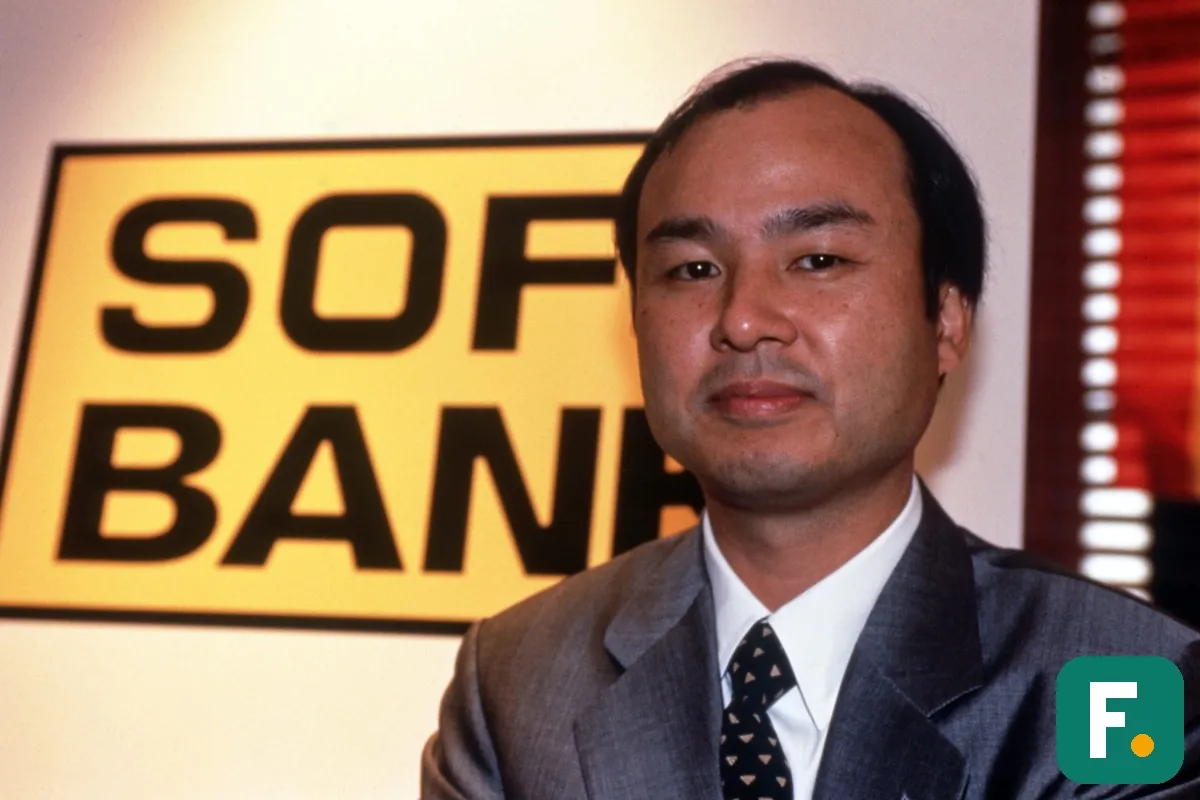
He founded SoftBank in Tokyo in 1981, at the age of 24, with two part-time employees in a small office. The business was simple: it distributed packaged computer software and published computer magazines, acting as a bank for software in the same way a bank stores money. Within a few years of starting, he was given news that should have ended the story. Doctors told him he had hepatitis B and that he had three to five years to live. He stepped back, recovered, and came back to the company. The illness did not slow him down for long, and the people who worked with him in those years remember a founder who talked about the future in decades, not quarters. In 2010 he put that habit into a formal plan, a 300-year vision for the company, with milestones for 2040 and beyond. It sounded like a joke to some listeners. Son meant it.
- Born 11 August 1957 in Tosu, Saga Prefecture, Japan, the second of four brothers.
- Moved to America at sixteen and studied economics at UC Berkeley, graduating in 1980.
- Designed a multilingual electronic translator at nineteen and sold it to Sharp for $1.7 million.
- Founded SoftBank in Tokyo in 1981 with two part-time employees.
- Diagnosed with hepatitis B at 24 and told he had three to five years to live; he recovered and returned to work.
Also Read: David Lawler and Bruce Broussard: Two Very Different Kinds of Power
Masayoshi Son: SoftBank, Yahoo, and Alibaba
SoftBank grew through the 1980s and early 1990s from a software distributor into a much larger company, and in 1994 Son took it public in Tokyo at a value of about $3 billion. The listing gave him the money to buy into the next big thing, which was the internet. In the mid-1990s SoftBank invested in Yahoo!, the American web company, and in 1996 the two companies launched Yahoo! Japan together. The site became the leading web portal in Japan and stayed that way for two decades, and it turned SoftBank from a software company into an internet company. Son had found the pattern he would repeat for the rest of his career: find the platform, buy a large piece of it early, and wait.
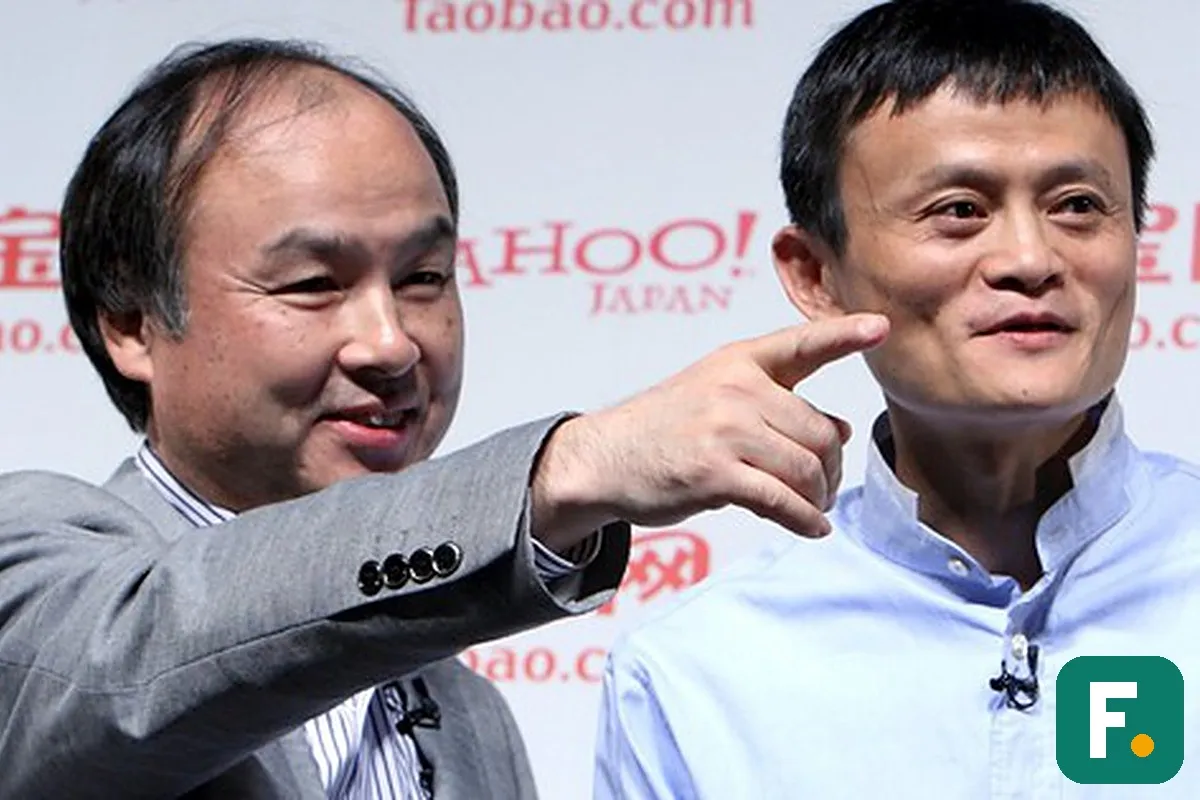
The pattern nearly destroyed him. In February 2000, at the top of the dot-com boom, Son was briefly the richest person on earth, with a fortune of about $78 billion on paper. Six months later the boom had collapsed, SoftBank had lost about 93 percent of its market value, and Son had personally lost close to $70 billion. Most founders would have stopped there. Son did the opposite. In 2000 he flew to China to meet a former English teacher named Jack Ma, who was running a small business-to-business marketplace called Alibaba. The meeting, both men agree, lasted about six minutes. Son offered $40 million. Ma pushed back, and in the end Son invested $20 million for about a 34 percent stake. At Alibaba's first public share sale in 2014, that stake was worth about $60 billion, the most profitable single venture investment ever made. The bet was written in the middle of Son's worst year, and it paid for everything that came after it.
The Alibaba money let SoftBank move into telecoms and phones. In 2013 Son bought a majority stake in Sprint, the American mobile carrier, and spent years restructuring it before merging it with T-Mobile US. The Sprint deal was slow and costly, and it taught him a lesson he would carry into the Vision Fund years: buying a company is easy, fixing it is hard, and the market punishes you for the years in between. By the middle of the 2010s SoftBank was no longer a software company or a telecom company. It was an investment company with a founder who had survived the worst loss of his life and was ready to make the biggest bet of his life.
- Took SoftBank public in Tokyo in 1994 at a value of about $3 billion.
- Invested in Yahoo! and launched Yahoo! Japan in 1996, which became Japan's leading web portal.
- Briefly the richest person on earth in February 2000, then lost about $70 billion in six months.
- Invested $20 million in Alibaba in 2000 after a meeting of about six minutes; the stake was worth about $60 billion at the 2014 listing.
- Bought a majority stake in Sprint in 2013 and later merged it with T-Mobile US.
Masayoshi Son: The Vision Fund, Arm, and the AI Bet
Before the fund came the chip deal. In the summer of 2016 Son paid $32 billion for Arm, a British firm whose designs sit inside nearly every smartphone on earth, and the price made it the biggest takeover of a European technology company up to that point. His thinking was plain: if the connected devices of the next decades would all carry an Arm core, then holding Arm meant holding a piece of all of them. A later plan to sell the firm to Nvidia, the American chip maker, for $40 billion fell apart, so Son took Arm to the Nasdaq instead, in September 2023, at a value of $54.5 billion, with SoftBank keeping about nine tenths of it. The price had looked high in 2016. By the listing, artificial intelligence had made Arm central to the chips that power it, and the purchase looked very different.
What followed was the same idea on a scale no one had tried. Son first talked about a giant fund in 2016, and a year later it was open, backed by one hundred billion dollars, a sum no technology fund had ever held. The cash did not all come from SoftBank. Son sat with Mohammed bin Salman in Tokyo in 2016, when the Saudi prince was still the deputy crown prince, and after 45 minutes he left with a $45 billion promise from the Saudi sovereign wealth fund, while SoftBank promised at least $25 billion of its own. By the fund's first big close, in May 2017, investors had promised over $93 billion in total. That money went into dozens of young firms, Uber and DoorDash and Coupang among them, and it changed the way start-ups raised cash, because no young firm had ever been offered sums that large before.
The same fund also gave Son the worst loss of his career. WeWork, the office-sharing firm, took more than $14.25 billion from SoftBank and the fund by April 2020, the largest single mistake of the whole venture. WeWork called off its public listing in 2019 and its value fell apart. In the financial year 2022 the Vision Fund reported a record loss of $32 billion, and in 2023 it lost another $22 billion. Son defended the plan in public, saying he backed founders with the biggest vision and gave them money to fight, but the numbers were plain: the bigger the bet, the bigger the loss when it went wrong. The fund carried on, and its later bets on chips and artificial intelligence started to mend the damage, but WeWork is still the warning that hangs over Son's name.
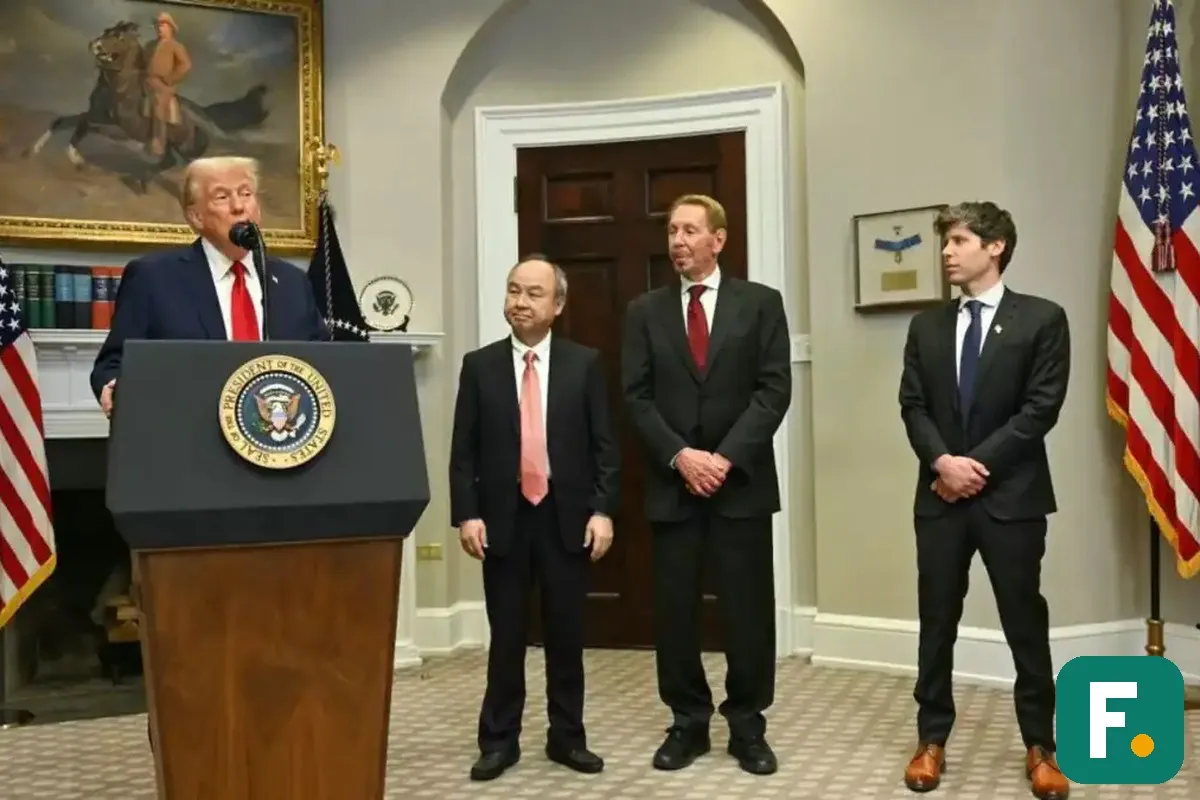
Artificial intelligence did the mending. SoftBank had put $34.6 billion into OpenAI, the firm behind ChatGPT, by March 31, 2026, after leading its 2025 funding round with a promise of up to $40 billion for roughly an 11 percent share. Then came Stargate. On January 21, 2025, Son stood in the White House with President Donald Trump, Sam Altman of OpenAI, and Larry Ellison of Oracle, and the four men announced a plan to spend as much as $500 billion over four years on American data centres built for artificial intelligence. Son took the chair of Stargate LLC, the firm running the plan. At 69, after a career of booms and crashes, he was betting the company once more, this time on the idea that machines will soon beat people at most of the subjects that matter, and that the firms which own the computers will own the future.
"We identify the entrepreneurs who have the greatest vision to solve the unsolvable. They need to have the strongest passion. And then we provide the cash to fight."
Masayoshi Son, at the Future Investment Initiative in Riyadh, October 2019
- Paid $32 billion for Arm in July 2016; took Arm to the Nasdaq in September 2023 at $54.5 billion.
- Opened the Vision Fund in 2017 with one hundred billion dollars behind it, $45 billion of it from Saudi Arabia's sovereign wealth fund.
- Put more than $14.25 billion into WeWork by April 2020; the fund lost $32 billion in 2022 and $22 billion in 2023.
- Put $34.6 billion into OpenAI by March 2026, after leading a funding round of up to $40 billion.
- Announced Stargate in January 2025, a plan to spend up to $500 billion on American AI data centres.
Also Read: Joel Greenblatt and Jim Farley: Two Very Different Kinds of Power
Who Is Greg Hayes?
Greg Hayes is an American business executive who spent more than forty years in aerospace, rising from a junior finance job to the top of the industry. He is best known for taking charge of UTC in 2014 and then, in 2020, merging its aerospace businesses with a large defence company to create RTX, one of the biggest aerospace and defence companies in the world. He is a numbers man by training, a certified public accountant who ran the finance side of the business before he ran the whole company. He retired as chief executive in 2024 and left the board in 2025, and he now sits on the boards of two other large companies. He keeps his private life out of public view, and little about it is known.
Hayes never founded a company, never invented a product, and never became famous outside his industry. His skill was different: he could look at a large, old company, see which parts were worth keeping and which were not, and then reshape it with deals. Over ten years as chief executive he sold a helicopter business, bought a cockpit electronics company, spun off an elevator company and an air conditioning company, and merged what was left with a defence giant. The result was a company with about 180,000 employees and tens of billions of dollars in annual sales. The work was done in boardrooms and in front of regulators, not on stage, and Hayes preferred it that way.
Greg Hayes: Childhood and the First Steps in Business
Gregory J. Hayes was born in 1960 or 1961. The exact date is not settled in reliable sources, and the public record gives a range rather than a single year. He grew up in Williamsville, a suburb of Buffalo in western New York, and graduated from Williamsville South High School in 1978. His family kept a low profile, and little about his parents or his early home life has ever been published. What is known is that he played American football at school and carried that interest with him to university, where he played for a year before his studies took over.
He began at Cornell University, where he studied pre-law for a year and played football, and then transferred to Purdue University in Indiana, to its Krannert School of Management. He earned a bachelor's degree in economics there in 1982 and became a certified public accountant, the qualification that shaped the rest of his career. Purdue is one of America's leading engineering schools, and its business school trained Hayes in the numbers first, the strategy second. He did not study engineering, and he did not fly aeroplanes. He studied money, and that turned out to be the skill the aerospace industry needed most from its chief executives.
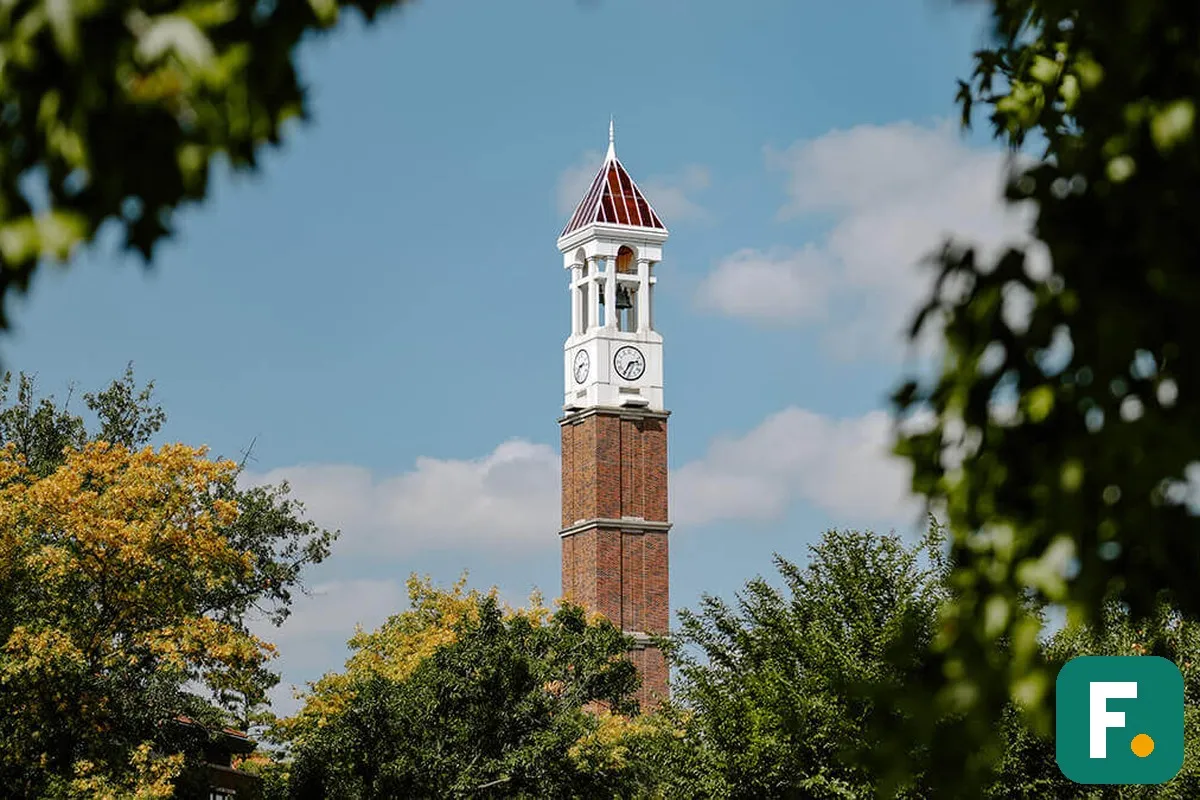
He started work in 1982 at Sundstrand, an aerospace supplier based in Illinois that made parts and systems for aircraft. Sundstrand was not a famous name, but it was a serious engineering company, and Hayes spent seventeen years there learning the industry from the finance side. In 1999 the company was bought by UTC, the large American industrial group, for $4.3 billion, and Hayes came with it. The move changed his career. Inside UTC he rose through finance, corporate strategy, and business development, and in 2008 he became the chief financial officer of the whole group. He held that job for six years, through the financial crisis and its aftermath, before the board gave him the top job.
- Born in 1960 or 1961; the exact date is not settled in reliable sources.
- Grew up in Williamsville, New York, and finished high school there in 1978.
- Played football at Cornell for a year, then moved to Purdue and earned a degree in economics in 1982.
- Became a certified public accountant.
- Started at Sundstrand in 1982 and joined UTC in 1999, when UTC bought Sundstrand for $4.3 billion.
Also Read: Olivia Rodrigo and Tyra Banks: Two Very Different Kinds of Power
Greg Hayes: United Technologies, the Deals, and the Breakup
Hayes became chief financial officer of United Technologies in 2008, and in November 2014 he succeeded Louis Chenevert as chief executive. He became chairman of the board in September 2016. The company he inherited was a conglomerate, a collection of very different businesses under one roof: jet engines, aerospace systems, helicopters, elevators, and air conditioning. Hayes believed the collection was worth less than its parts, and he spent the next six years taking it apart and putting the aerospace pieces back together in a stronger shape. It was the largest reshaping of an American industrial company in a generation, and it was done almost entirely through deals.
The first big deal was a sale. In 2015 he sold Sikorsky, the helicopter business, to Lockheed Martin for $9 billion. The second was a deal he refused. In early 2016 the industrial group Honeywell proposed a merger worth about $90 billion, and Hayes turned it down, saying he did not believe the competition regulators would approve it. Honeywell later abandoned the bid. The third deal was a purchase. In September 2017 he announced the acquisition of Rockwell Collins, the maker of cockpit electronics, for $23 billion in cash and stock, about $30 billion including its debt. The deal closed in 2018, and the combined business became Collins Aerospace, one of the largest suppliers of aircraft systems in the world.
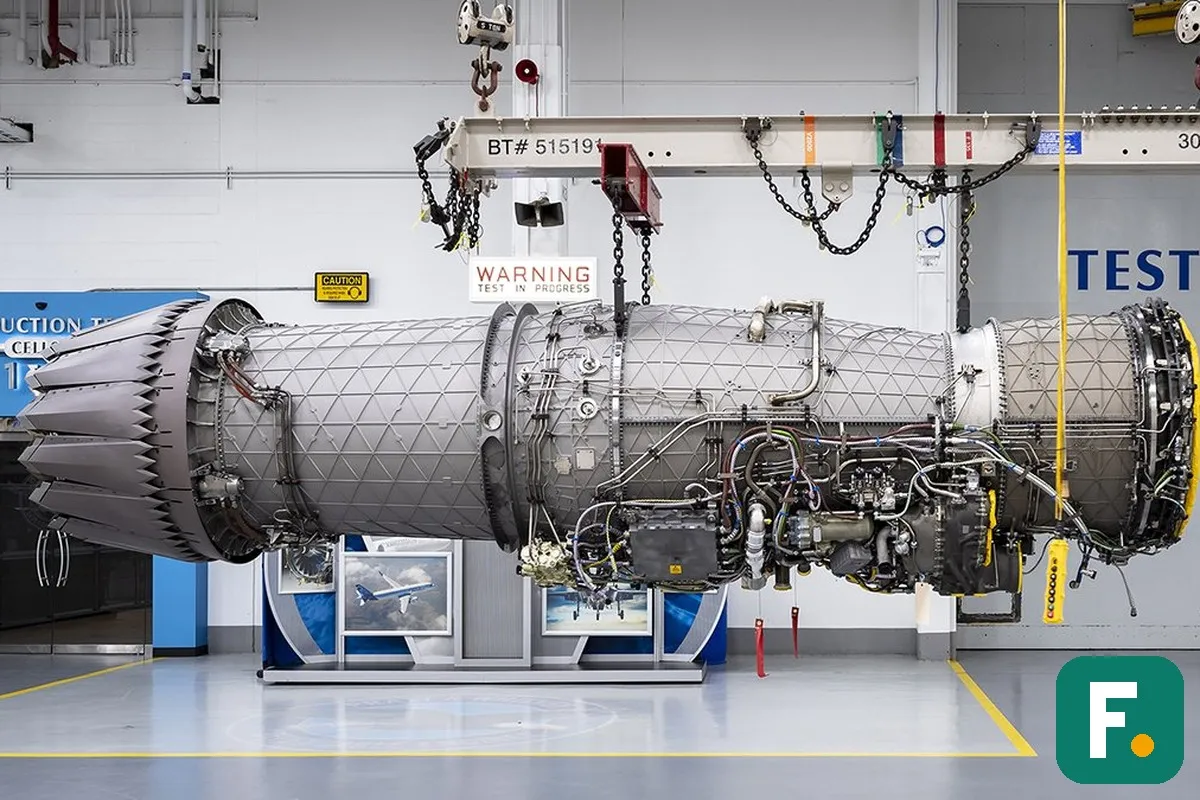
The last step was the breakup. In 2020 Hayes spun off two of the group's oldest businesses as independent public companies: Carrier, the air conditioning business, and Otis, the elevator business. The spin-offs were large in their own right, worth about $14.7 billion and $20.5 billion. What was left inside the group was the aerospace core: Pratt & Whitney, which makes jet engines, and Collins Aerospace, which makes aircraft systems. Hayes had spent six years turning a conglomerate into a pure aerospace company, and one step remained: finding it a partner large enough to match it.
- Chief financial officer of United Technologies from 2008 to 2014, chief executive from November 2014, chairman from September 2016.
- Sold Sikorsky to Lockheed Martin for $9 billion in 2015.
- Turned down a merger proposal from Honeywell worth about $90 billion in early 2016.
- Bought Rockwell Collins for about $30 billion including debt in 2018 and formed Collins Aerospace.
- Spun off Carrier and Otis as independent companies in 2020.
Greg Hayes: RTX, the Merger, and Life After
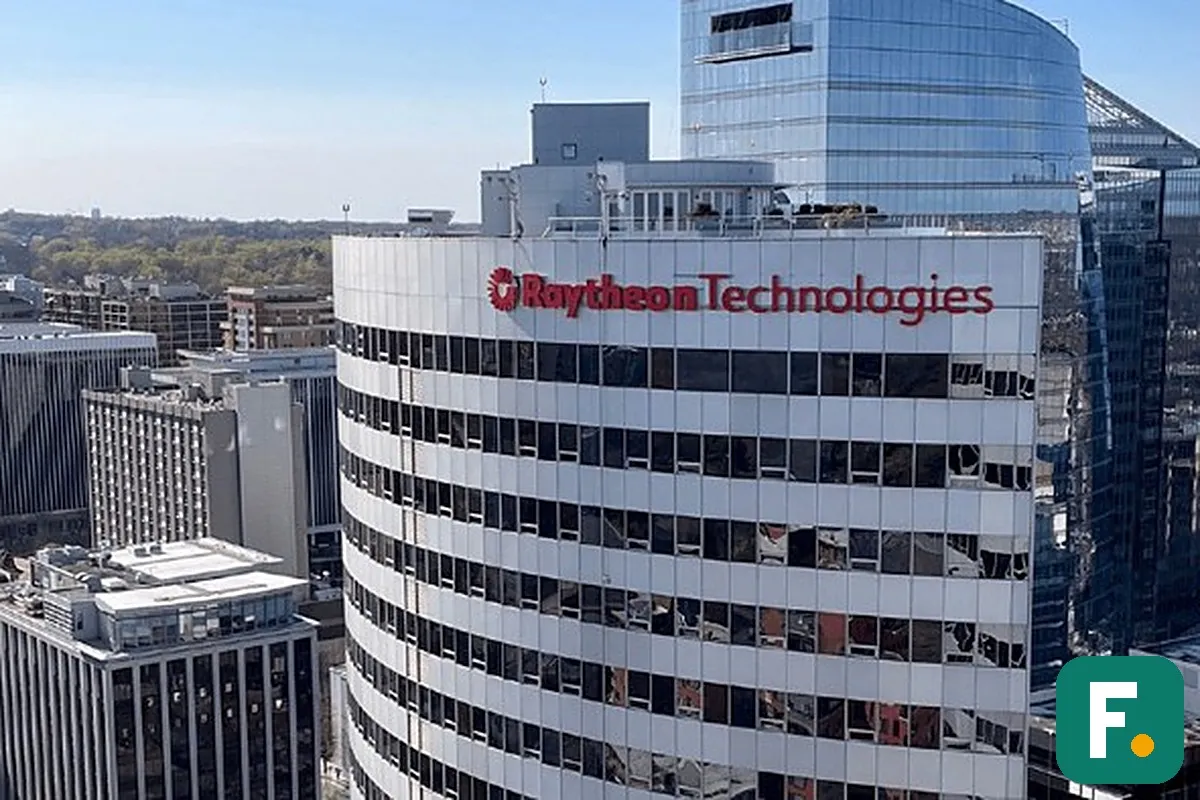
Raytheon was the partner, a defence contractor whose name is tied above all to missiles and radar. The two sides agreed on an all-stock joining of equals, made public on June 9, 2019, that would place Raytheon beside the aerospace businesses of UTC in a new firm called Raytheon Technologies, led by Hayes as chief executive. The joining took effect on April 3, 2020. Hayes was now in charge of a business with about 180,000 staff and yearly sales near $74 billion, while Thomas Kennedy, Raytheon's former chief executive, stayed as executive chairman. Hayes took the chairman's seat himself in 2021, and in 2023 the firm took the shorter name RTX Corporation. It was the biggest aerospace deal of its decade, and it put the engines of Pratt & Whitney, the systems of Collins Aerospace, and the missiles of Raytheon into a single company for the first time.
"The combination of United Technologies and Raytheon will define the future of aerospace and defense."
Greg Hayes, announcing the merger, June 9, 2019
The years after the joining were harder than the deal itself. In 2023 a flaw in the powdered metal used in Pratt & Whitney engines forced the firm to check hundreds of engines and ground aircraft, and the board cut the pay of its senior managers, Hayes among them, whose performance score dropped to 83 percent of target. In September 2022 China put sanctions on Hayes himself after an American arms sale to Taiwan, a rare personal penalty for a chief executive. The firm kept growing through those years, helped by rising defence spending around the world, but the engine trouble stayed with it, and it stayed with Hayes, because Pratt & Whitney was the part of the business he had owned the longest.
In early 2024 Hayes announced he would retire as chief executive, and he stepped down on May 2, 2024. Christopher Calio, his chief operating officer, took over as president and chief executive. Hayes moved to the role of executive chairman, his base salary cut to $1.1 million, and on April 30, 2025, he left that role and the RTX board. Calio took the chairman's seat the same day. Hayes agreed to advise Calio as a special adviser until January 2, 2026. His total pay in 2023, his last full year as chief executive, came to $22.3 million, mostly shares and bonuses rather than salary. He now sits on the boards of two other firms: lead independent director of Phillips 66, the energy company, and, since 2025, a director of Becton, Dickinson and Company, the medical technology firm. The man who spent forty years building one company now watches other companies from the other side of the boardroom table.
- Raytheon joining made public June 9, 2019, and took effect April 3, 2020, forming Raytheon Technologies.
- Took the chairman's seat in 2021; the firm became RTX Corporation in 2023.
- A flaw in Pratt & Whitney engines in 2023 forced checks and cut his performance pay.
- Left the chief executive job on May 2, 2024, and the board on April 30, 2025.
- Total pay in 2023 was $22.3 million; now lead independent director of Phillips 66 and a director of Becton, Dickinson and Company.
Two Careers, Side by Side
- Origin: Son was the son of Korean immigrants in Japan who grew up facing discrimination; Hayes grew up in a suburb of Buffalo and went to university on a football field and a calculator.
- Field: Son bets on technology platforms; Hayes builds aerospace and defence companies.
- Career length: both have worked for more than forty years, Son since 1981 and Hayes since 1982.
- Money: Son owns about a third of the company he founded, so his fortune moves with its share price; Hayes earned his money as a hired chief executive, and no reliable total for his fortune exists.
- Risk: Son risks his own money on single ideas, $20 million on one meeting, $100 billion on one fund; Hayes risks a whole company on a merger, and then lives with the result for years.
- Big loss: Son lost about $70 billion in six months in 2000; Hayes lost pay and reputation in 2023 when an engine defect grounded aircraft.
- Public profile: Son speaks in public about the future and gives interviews about the singularity; Hayes rarely speaks in public and keeps his private life out of view.
- Style: Son decides alone and fast, six minutes for Alibaba and 45 minutes for $45 billion; Hayes decides through deals, boards, and regulators, over months and years.
The contrast is the point. Son is an owner who bets. Hayes is a manager who merges. Son looks for the next platform and pays whatever it costs to own a piece of it. Hayes looks at the company he already has and rearranges it until the pieces fit better. Son lost almost everything once and came back richer. Hayes never lost everything, because he never bet everything. Both of them ended up running companies worth tens of billions of dollars, and both of them are still working in their late sixties, one on artificial intelligence and the other on the boards of other people's companies. The road matters less than the destination, and the destination, for both men, was the top of an industry that neither of them was born into.
What People Often Get Wrong About Them
The first confusion to clear up is the idea that the two men are connected in any way. They are not related, they have never worked together, and no public record links one to the other. They appear together in this article only because each of them reached the top of his field, and the contrast between their two roads is worth seeing.
The second mistake is to say that Son stayed rich after the year 2000. He did not. In February 2000 he was briefly the richest person on earth, and six months later he had lost about 93 percent of his fortune, close to $70 billion. The Alibaba bet that made him rich again came after the loss, not before it. The third mistake is to say that the Vision Fund was Son's own money. It was not. Most of it came from outside investors, with Saudi Arabia first among them at $45 billion, and Son put in at least $25 billion of SoftBank's money, so the fund was other people's money as well as his own. The fourth mistake is to say that Son owns Alibaba. He does not. He was an early investor whose $20 million bought about 34 percent in 2000, and the stake was worth about $60 billion at the 2014 listing, but an investor is not an owner.
The fifth mistake is to say that WeWork destroyed SoftBank. The losses were huge, more than $14 billion committed and tens of billions lost in the fund, but the company kept going, and its later bets on chips and artificial intelligence began to repair the damage. The sixth mistake is to say that Hayes founded RTX. He did not. He built it by merging two companies that were each decades old, and he was a finance man who rose through the ranks, not a founder and not an engineer. The seventh mistake is to say that Hayes is still the chief executive of RTX. He stepped down in May 2024 and left the board in April 2025. The eighth mistake is to say that Hayes's birth year and fortune are settled facts. Sources give 1960 or 1961 for his birth, and no reliable figure exists for his net worth, so any article that states one year or one number as certain is guessing.
Frequently Asked Questions
Are Masayoshi Son and Greg Hayes related?
No. Son is a Japanese technology investor born in 1957, and Hayes is an American aerospace executive born in 1960 or 1961. They work in different industries, in different countries, and there is no family link, no friendship, and no business link between them that anyone has recorded. They appear in the same article because each of them reached the top of his field by building something other people had overlooked.
What is the SoftBank Vision Fund?
It is the technology investment fund Son started in 2017. It opened with one hundred billion dollars, more than any fund of its kind before it. The Saudi sovereign wealth fund promised $45 billion, SoftBank promised at least $25 billion, and by the first major close in May 2017 investors had promised more than $93 billion between them. The fund backed dozens of young companies, among them Uber, DoorDash, and Coupang, and it lost tens of billions on WeWork before its later bets on chips and artificial intelligence began to repair the losses.
How did Son's $20 million in Alibaba turn out?
It became one of the greatest investments ever made. Son met Jack Ma in 2000, the meeting lasted about six minutes, and he invested $20 million for about a 34 percent stake in the young Chinese marketplace. When Alibaba sold shares to the public in 2014, that stake was worth about $60 billion. The bet was made in the middle of Son's worst year, just after he had lost close to $70 billion in the dot-com crash.
What did Greg Hayes do at United Technologies?
He was chief financial officer from 2008 to 2014, chief executive from November 2014, and chairman from September 2016. As chief executive he sold the Sikorsky helicopter business to Lockheed Martin for $9 billion, turned down a $90 billion merger proposal from Honeywell, bought Rockwell Collins for about $30 billion including debt, and spun off Carrier and Otis as independent companies in 2020, leaving a pure aerospace business behind.
Why did Hayes leave RTX?
He retired. He stepped down as chief executive on May 2, 2024, and Christopher Calio succeeded him. Hayes stayed as executive chairman for a year, then stepped down and left the board on April 30, 2025, and agreed to advise Calio through January 2, 2026. He now sits on the boards of Phillips 66 and Becton, Dickinson and Company. He was not forced out, and the company has said nothing to suggest otherwise.
What are their net worths?
For Son, Forbes put the figure at about $63 billion in September 2026, after it had briefly touched $100.7 billion that June, but the number moves fast with SoftBank's share price, so treat it as a snapshot. For Hayes, there is no reliable public estimate at all, because his pay as a public company chief executive was filed and public, his total pay in 2023 was $22.3 million, but his total fortune was never counted in public.
Conclusion
Son and Hayes prove that there is more than one way to run a big company. Son's way is to guess the future before anyone else, pay whatever it costs, and accept that the guess will sometimes cost him tens of billions. Hayes's way is to take the company he already has, sell the parts that do not fit, buy the parts that do, and merge what is left with a partner big enough to matter. Neither man waited for permission, and neither man stayed in the job he started with. Son began as a student selling a translator. Hayes began as a junior finance man at an aerospace supplier.
What joins them is not a shared history, because they have none. What joins them is the size of the bet each of them made and the patience each of them showed while the bet played out. Son is still betting at 69, on machines that may soon be smarter than people. Hayes is still working in his mid-sixties, on the boards of companies he did not build. Both of them are a reminder that the best chief executives are not the ones with the loudest plans, but the ones who can change the plan, survive the loss, and keep the company standing.

About the author
Facts of Media Editorial Team
The Facts of Media Editorial Team is dedicated to delivering accurate, informative, and engaging content across media, technology, business, entertainment, and trending topics. Our team researches and reviews information to provide readers with reliable insights, useful facts, and the latest updates.
Related Articles
More in Biography
David Lawler and Bruce Broussard: Two Very Different Kinds of Power
Biography feature
BiographyDavid Lawler and Bruce Broussard biography with BP America, Caturus, Humana, the Aetna breakup, and two different routes to the top, explained simply.
Read article
Joel Greenblatt and Jim Farley: Two Very Different Kinds of Power
Biography feature
BiographyJoel Greenblatt and Jim Farley biography with Magic Formula, Gotham Capital, Ford, the F-150 Lightning, and two different routes to the top, explained simply.
Read article
Olivia Rodrigo and Tyra Banks: Two Very Different Kinds of Power
Biography feature
BiographyOlivia Rodrigo and Tyra Banks biography with drivers license, Sour, Guts, America's Next Top Model, and two different routes to the top, explained simply.
Read article