Tom Kennedy and Anna Wintour: Two Very Different Kinds of Power
Biography, game shows, fashion, Vogue, and the very different work that made each of them known
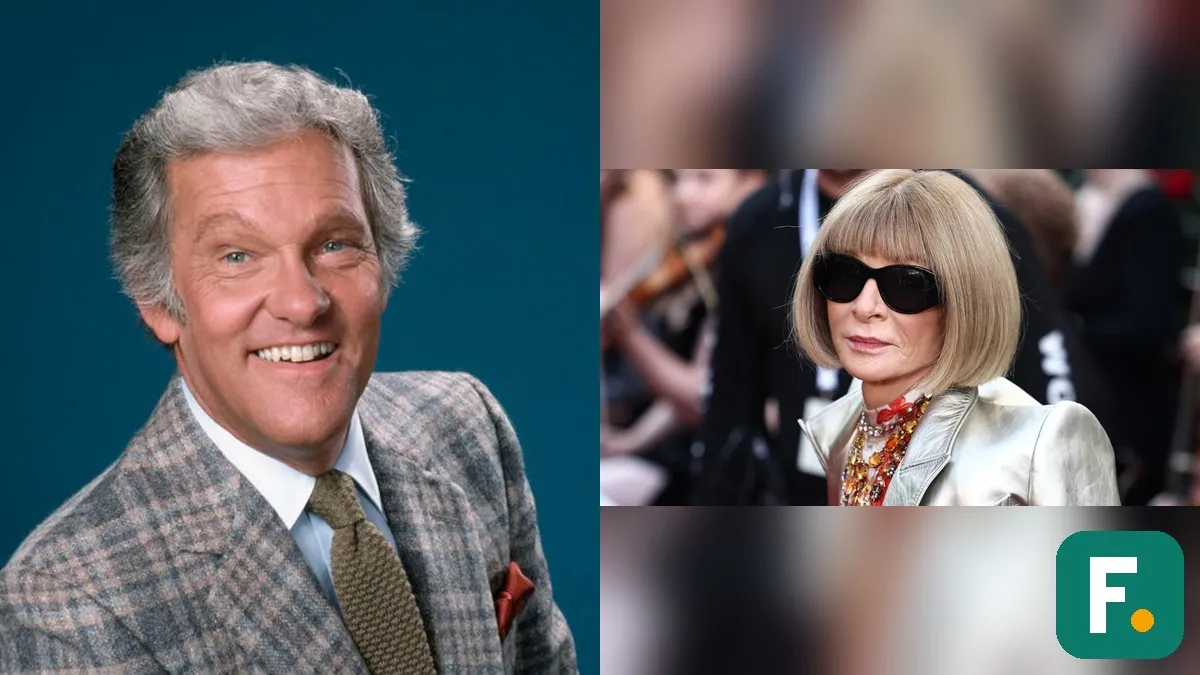
Tom Kennedy spent nearly thirty years asking television viewers to guess a tune, a word, or a famous name, while Anna Wintour spent nearly forty years deciding what the fashion world would wear, read, and talk about. One man worked in front of a studio audience with a smile and a set of cue cards. The other worked behind a desk at Vogue with a bob haircut, dark sunglasses, and a reputation for saying no far more often than yes. No family link, no friendship on public record, and no business connection joins them. One was born in Kentucky in 1927 and died in California in 2020. The other was born in London in 1949 and still leads fashion from New York today. This article gives the plain facts of both lives, side by side.
Reading them together still makes sense, because both of them took a field that looked ordinary and made it their own. Kennedy turned the simple act of guessing into evening television that families watched together. Wintour turned a magazine into a force that could make or break a designer, a model, or a whole fashion season. One kind of power is measured in shows hosted, prizes given away, and viewers who knew every tune. The other is measured in covers chosen, designers lifted up, and a single night each year when the whole world watches a red carpet in New York. The facts below cover both lives in simple language, with no padding.
Quick Facts: Tom Kennedy and Anna Wintour
| Detail | Tom Kennedy | Anna Wintour |
|---|---|---|
| Full name | James Edward Narz, known as Tom Kennedy | Anna Wintour |
| Born | 26 February 1927, Louisville, Kentucky, USA | 3 November 1949, Hampstead, London, England |
| Died | 7 October 2020, Oxnard, California, USA, aged 93 | Living |
| Main field | Television game show hosting | Fashion journalism and media leadership |
| Best known for | You Don't Say!, Split Second, Name That Tune, Password Plus | Editor-in-chief of American Vogue, 1988 to 2025 |
| Career length | Broadcasting from 1947, hosting from 1958 to 1989 | Fashion journalism from 1970, still active in 2026 |
| Public profile | Warm and familiar television host | Private and exacting editor, famous for her bob and sunglasses |
| Reported wealth | Online estimates differ widely, from about $1 million to about $10 million | Celebrity Net Worth puts it at about $50 million |
Wealth figures in this article are estimates, not official bank balances. Television salaries, book and magazine pay, company shares, and private property are reported in different ways, and no public filing gives a full personal total for either person. The figures here give a rough scale only, and where estimates disagree, the article says so. For Kennedy the estimates disagree so widely that no single figure can be trusted.
Who Is Tom Kennedy?
For close to thirty years, American viewers knew Tom Kennedy as the smiling man who ran the game on their television screen. His real name was James Edward Narz, and he took the name Tom Kennedy in 1957 so that he would not be confused with his older brother Jack Narz, who was also a well known television host. He hosted game shows for nearly three decades, and his biggest successes were four long running shows that filled daytime and evening television in America in the 1960s, 1970s, and early 1980s. His other hosting credits included The Big Game, Dr. I.Q., It's Your Bet, Break the Bank, 50 Grand Slam, To Say the Least, Whew!, Body Language, a syndicated nighttime version of a famous daytime price guessing show, and Wordplay.
Kennedy was not a loud or flashy host. Viewers remember him as calm, friendly, and quick, the kind of host who could keep a fast game moving without ever looking lost. He worked in the years when game shows filled daytime and early evening television in America, and he became one of the faces of that time. In 2005 he and his brother Jack received the Game Show Congress Bill Cullen Award for Lifetime Achievement, a shared honour that summed up a family career in broadcasting. He retired in 1989 and lived quietly in California until his death in 2020.
Tom Kennedy: Childhood and the First Break
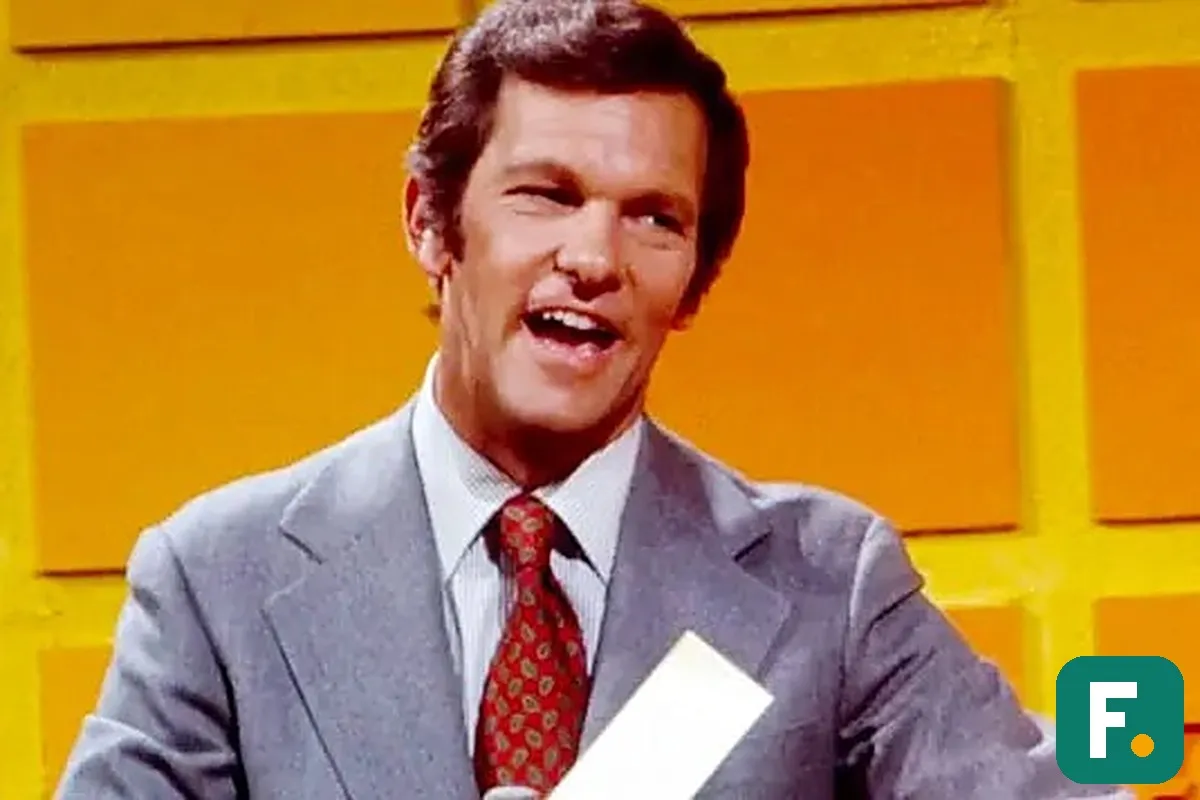
The boy who would become Tom Kennedy arrived in Louisville, Kentucky, on February 26, 1927, as James Edward Narz. His father, John Lawrence Narz Sr., worked as a salesman for the Frigidaire Appliance Company, and his mother, Nellie Flores Narz, kept the home. He was the younger brother of Jack Narz, born in 1922, who would become a radio and television host, and he also had a sister, Mary Lovett Scully. The family name Narz would later matter a great deal to his career, because two brothers with the same name in the same business would cause a problem that had to be solved.
After finishing St. Xavier High School in Louisville, James took a Greyhound bus across the country to join his brother Jack in Los Angeles, where Jack was trying to build a career in radio. James then came back east and spent about ten years working in radio in Kentucky and Missouri, while also studying at the University of Missouri and the University of Kentucky. At a college dance he met Betty Gevedon, and the two married in 1952. They stayed together for 59 years, until Betty died in 2011, and they raised four children: Linda Ann, James Jr., Julia Kathleen, and Courtney Ellen. Their daughter Julia died in 2015.
The break that changed his name came in 1957. James was offered a job as a commercial announcer for Plymouth, but his brother Jack was already doing the same kind of work for the Ford Motor Company. Two brothers with the same last name, promoting rival car brands, would have looked wrong, so James took a new professional name. He became Tom Kennedy. The name stuck for the rest of his life, and most viewers never knew that the man on their screens had been born James Edward Narz. His first game show hosting job followed soon after, with The Big Game in 1958, and then Dr. I.Q. in the 1958 to 1959 season. He had moved from radio into television, and he would stay there for the next thirty years.
- Born James Edward Narz on February 26, 1927, in Louisville, Kentucky, the younger brother of host Jack Narz.
- Worked about ten years in radio in Kentucky and Missouri and studied at the University of Missouri and the University of Kentucky.
- Married Betty Gevedon in 1952, and the marriage lasted 59 years until her death in 2011. They had four children.
- Changed his name to Tom Kennedy in 1957, because his brother Jack announced for Ford while he announced for Plymouth.
- First hosted a game show in 1958 with The Big Game, followed by Dr. I.Q. in the 1958 to 1959 season.
Also Read: Stephen King and Richard LeFrak: Two Very Different Kinds of Power
Tom Kennedy: Name That Tune and the Game Show Years
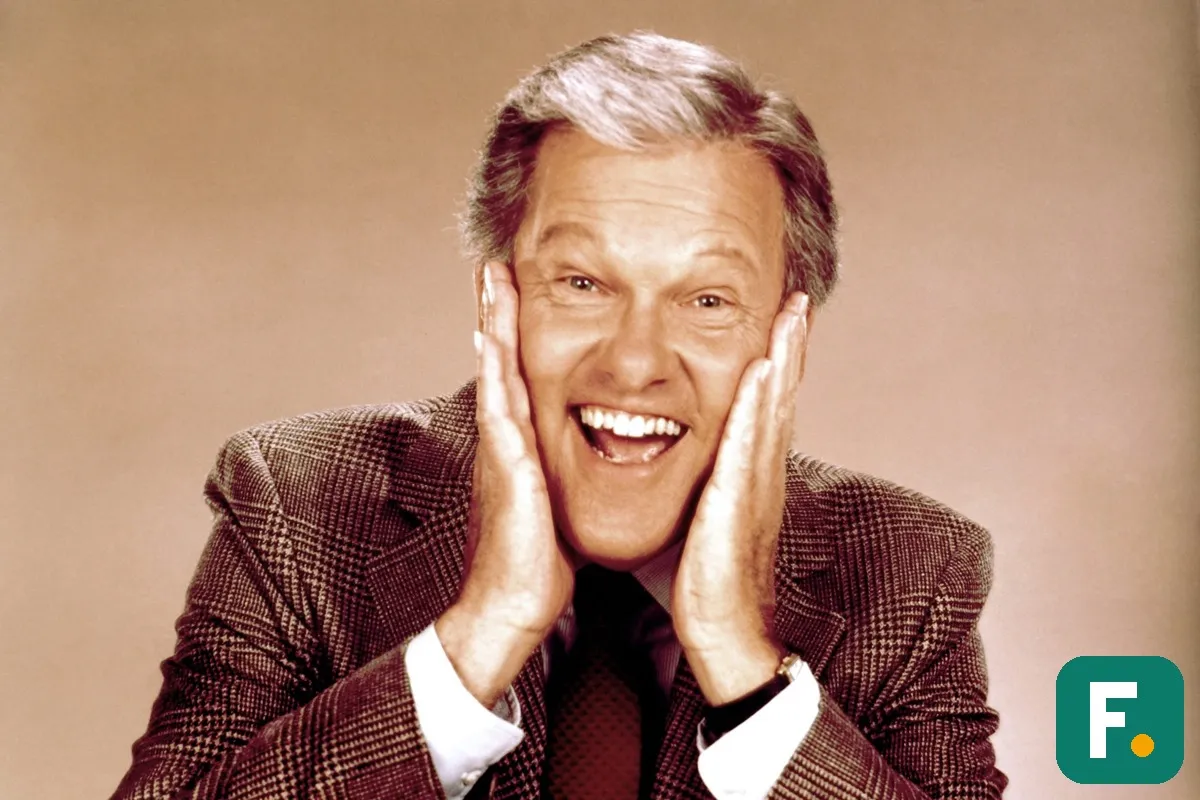
Kennedy first big success was You Don't Say!, which the KTLA station in Los Angeles first tried out in late 1962 before NBC took it up on April 1, 1963. Two teams played, each made up of a celebrity and a contestant, and the aim was to pass on the name of a famous person by giving clues that sounded like parts of that name. The contestant had to sound the words out and guess who it was. Three points won the game, and the winner played a Bonus Board for a chance at 300 dollars. The show ran on NBC until September 26, 1969, and came back on ABC in 1975 for a short run. In a conversation in 1996 Kennedy named You Don't Say! as one of his two favourite shows, and he said it was a very entertaining show and also informative, because people learning English used it as a learning tool.
His next long running show was Split Second, which ran on ABC from March 20, 1972, to June 27, 1975. The show was created by Monty Hall, and it was known as one of the fastest games on television. Three contestants faced a question with three possible answers, and the first to ring in chose an answer, while the other two had to take what was left. In the first round all three right meant 5 dollars each, two right meant 10 dollars each, and only one right meant 25 dollars. The second round doubled the money. The final Countdown Round asked the leader for three correct answers, the second player for four, and the third player for five, and the winner played for a car, choosing one of five cars on stage and trying to start it. Kennedy later said he worked hardest on Split Second and Name That Tune, and that the pace made you dizzy, with a quick change of suit and a fresh set of questions between games.
Name That Tune was the show that gave Kennedy his longest run and his widest fame. He hosted the syndicated nighttime version from 1974 to 1981, and the daytime version for one year in 1977. Contestants, usually one man and one woman chosen from the studio audience, scored points and won cash and prizes by naming songs from only a few notes. The signature game was Bid-A-Note, in which the host read a clue to a song and the two players took turns bidding down how few notes, from a maximum of seven, they would need to name it. After the bidding the piano played the notes, and the player had to name the tune. The show also had a Golden Medley Showdown as its final round, and its singers included a then unknown Kathie Lee Johnson, now Kathie Lee Gifford, in 1977 and 1978. Kennedy named Name That Tune as his other favourite show, and he said the producer Ralph Edwards was wonderful, and that the fun of live television was when things went wrong, like the time a guard could not remember the combination to the safe holding the 100,000 dollar tune.
- You Don't Say! ran on NBC from April 1, 1963, to September 26, 1969, and returned on ABC in 1975.
- Split Second ran on ABC from 1972 to 1975, was created by Monty Hall, and ended with a Countdown Round and a chance to win a car.
- Name That Tune ran in syndication from 1974 to 1981, with Kennedy also hosting the daytime version in 1977.
- Bid-A-Note, the signature game, asked players to bid down how few notes, from a maximum of seven, they needed to name a song.
- In a 1996 conversation Kennedy named You Don't Say! and Name That Tune as his two favourite shows.
Tom Kennedy: Password Plus, Price Is Right, and the Later Years
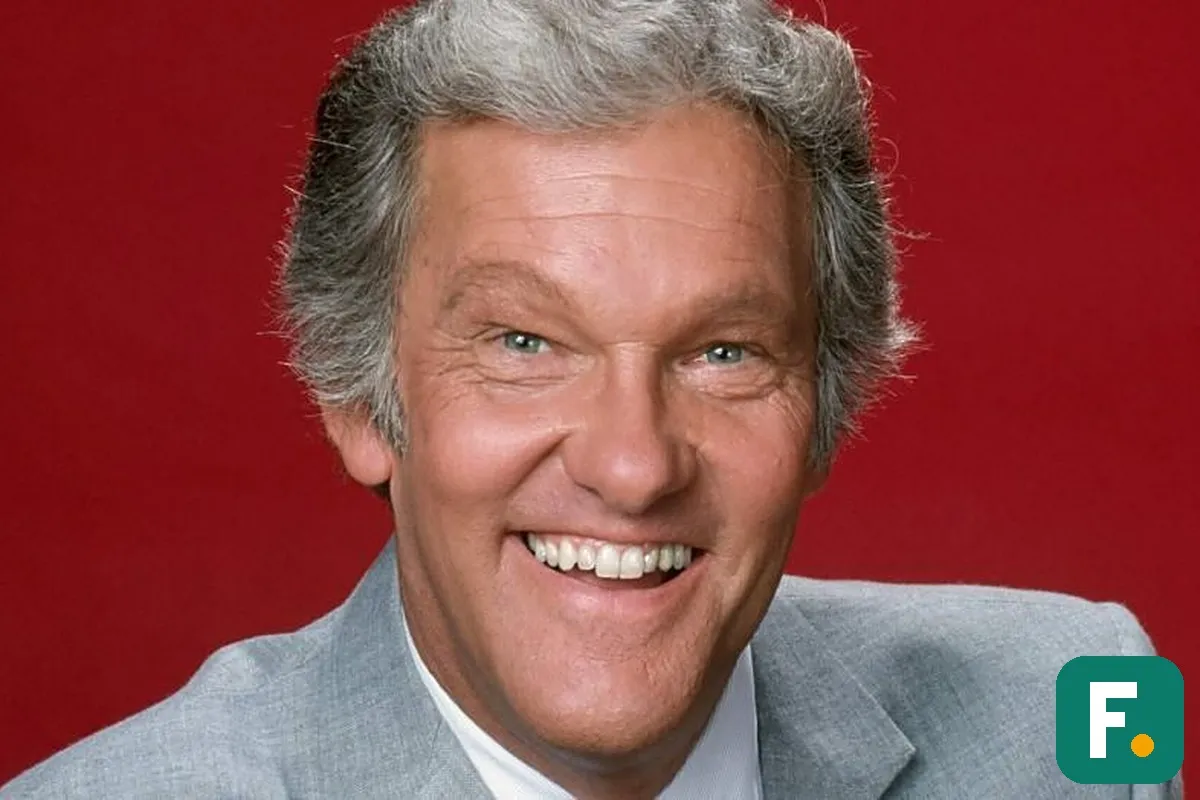
In 1980 Kennedy took over Password Plus, one of the most respected word games on American television, after the original host Allen Ludden withdrew because of illness. Ludden died on June 9, 1981, and Kennedy hosted the show until it ended in 1982. It was a hard job to take on, because viewers loved Ludden, but Kennedy kept the show steady and finished its run. In the same years he also hosted Break the Bank in 1976, 50 Grand Slam in 1976, To Say the Least from 1977 to 1978, and Whew! from 1979 to 1980. He was also a semi regular panelist on Match Game in the mid 1970s, a show where he could relax and joke with other celebrities instead of running the game himself.
Kennedy later years brought two more familiar jobs. From June 4, 1984, to January 3, 1986, he hosted Body Language on CBS, and from 1985 to 1986 he hosted a syndicated nighttime version of The Price Is Right. That last job often causes confusion, so it is worth stating plainly: Kennedy did not host the famous daytime Price Is Right, which belonged to Bob Barker. He hosted the separate nighttime syndicated edition. His last game show was Wordplay, which ran from December 29, 1986, to September 4, 1987. He had also tried a talk show, The Real Tom Kennedy Show, in 1970, and he took acting work on stage in a touring company of Neil Simon The Odd Couple and on television in The Ghost and Mrs. Muir, Rowan and Martin Laugh-In, Cannon, Hardcastle and McCormick, and Cybill.
Kennedy retired in 1989 after several game show pilots made by his own production company failed to sell. He did come back for one last television appearance, on Hollywood Squares during its Game Show Week in 2003. In July 2005 he and his brother Jack were named together as co recipients of the Game Show Congress Bill Cullen Award for Lifetime Achievement. Bill Cullen was their brother in law, which made the award a family honour as well as a professional one. After a period of ill health, Kennedy died at his home in Oxnard, California, on October 7, 2020, at the age of 93. His daughter Courtney Ellen Narz confirmed his death. He was survived by three children, a daughter in law, a granddaughter, and his sister Mary, after his wife Betty had died in 2011 and his daughter Julia in 2015, and his brother Jack in 2008.
- Password Plus was hosted by Kennedy from 1980 to 1982, after Allen Ludden withdrew through illness and died on June 9, 1981.
- Body Language ran on CBS from 1984 to 1986, and the nighttime syndicated Price Is Right ran from 1985 to 1986.
- Kennedy did not host the daytime Price Is Right. That version belonged to Bob Barker.
- Wordplay, from 1986 to 1987, was his last game show as host, and he retired in 1989.
- In 2005 he and his brother Jack shared the Game Show Congress Bill Cullen Award for Lifetime Achievement.
- He died at home in Oxnard, California, on October 7, 2020, at the age of 93.
Also Read: Jennifer Lawrence and Jim Taiclet: Two Very Different Kinds of Power
Who Is Anna Wintour?
For 37 years, from 1988 to 2025, Anna Wintour ran American Vogue as its editor in chief. She is a British American media executive whose name is now tied to fashion itself. She was born in London, grew up in the world of newspapers, and built her career in fashion magazines on both sides of the Atlantic before she took charge of Vogue. Under her leadership Vogue put celebrities on its covers, mixed cheap clothes with couture, and became the most watched magazine in fashion. She also turned a famous annual fashion fundraiser into the biggest night in fashion and used her position to support young American designers.
Wintour is famous for her look as much as for her work. She has worn her hair in a bob since she was fourteen, and she is almost always seen in dark sunglasses, even indoors. People in fashion call her a demanding editor, and stories about her high standards are part of her legend. The truth behind the stories is simpler: she made decisions quickly, she knew what she wanted, and she stayed in the same job for 37 years, longer than almost any other editor in the history of the magazine. In June 2025 she stepped down as editor in chief of American Vogue, but she kept her wider roles at Conde Nast and Vogue around the world.
Anna Wintour: Childhood and the First Steps in Fashion
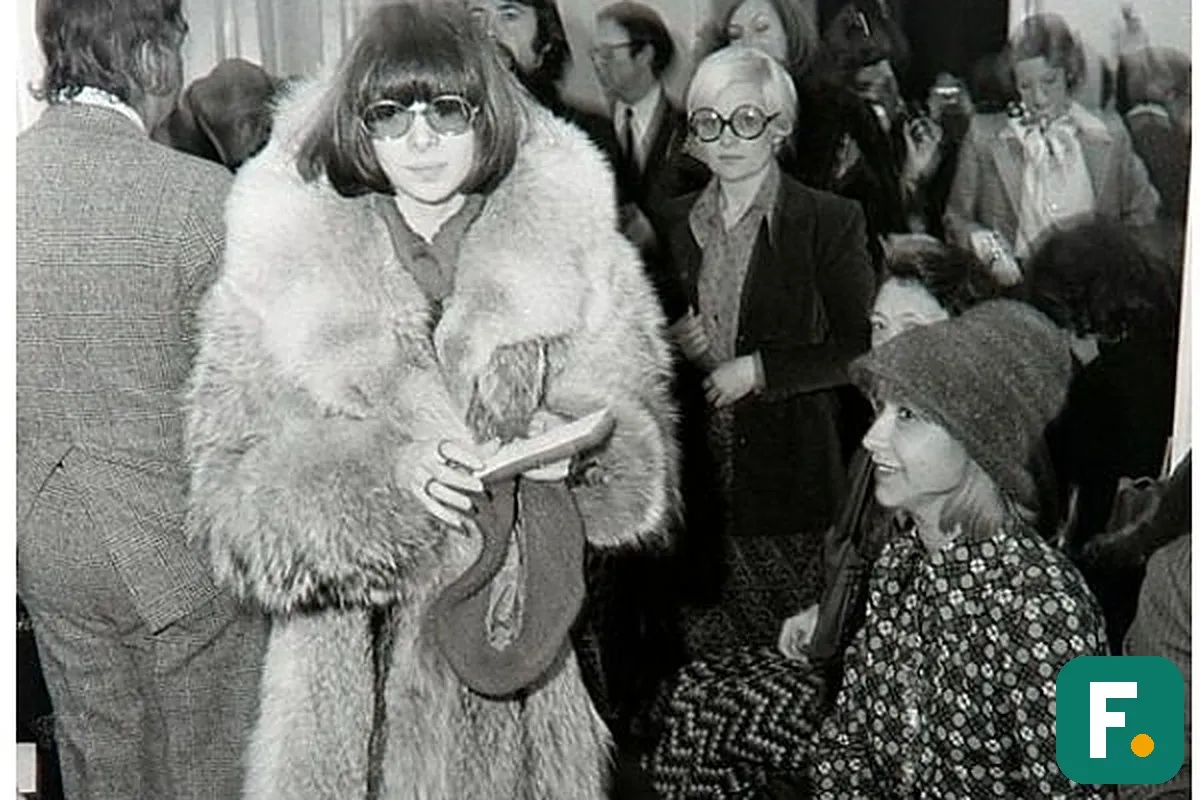
Her story starts in Hampstead, London, where she was born on November 3, 1949, to Charles Wintour and Eleanor Trego Baker. Her father, Charles Wintour, was editor of the London Evening Standard from 1959 to 1976, and her mother was American. Anna was the eldest of five children. Her younger brother Patrick became a journalist and later diplomatic editor at The Guardian. She grew up in a house where newspapers were part of daily life, and her father even asked her advice on how to make his paper appeal to young people in London in the mid 1960s.
At North London Collegiate School she rebelled against the dress code by taking up the hemlines of her skirts, and at the age of fourteen she began wearing her hair in a bob, a style she has kept ever since. She watched the television show Ready Steady Go! and its presenter Cathy McGowan, and she read copies of Seventeen magazine sent by her grandmother from America. She left school at sixteen in 1966, with no interest in university. Her father arranged her first job, at the Biba boutique in London when she was fifteen, and she also took a training program at Harrods. Fashion, not school, was where she wanted to learn.
Her career in fashion journalism began in 1970, when Harper's Bazaar UK merged with Queen to become Harpers and Queen, and she was hired as one of its first editorial assistants. She spent five years there, learning how a magazine is put together from the inside. In 1975 she moved to New York and became a junior fashion editor at Harper's Bazaar. The job lasted only nine months, because the editor Tony Mazzola fired her for her bold photo shoots. She moved on to Viva, then to Savvy in 1980, where she succeeded Elsa Klensch as fashion editor, and in 1981 she became fashion editor of New York magazine. Each move was a step up, and each one taught her more about how to run a magazine page by page.
- Born November 3, 1949, in Hampstead, London, the eldest daughter of Evening Standard editor Charles Wintour and Eleanor Trego Baker.
- Began wearing her hair in a bob at fourteen and rebelled against her school dress code by shortening her skirts.
- Left school at sixteen in 1966 and worked at the Biba boutique and in a Harrods training program.
- Started in fashion journalism in 1970 as an editorial assistant at Harpers and Queen in London.
- Moved to New York in 1975, worked at Harper's Bazaar, Viva, Savvy, and New York magazine before joining Vogue.
Anna Wintour: Vogue, the Jeans Cover, and 37 Years at the Top
Wintour joined American Vogue as creative director in 1983, after Alexander Liberman, the editorial director of Conde Nast, invited her in. In 1985 she returned to London to become editor of British Vogue, taking over after Beatrix Miller retired, and she took charge in April 1986, shortly after giving birth to her son Charles. Her time there lasted just over a year, but it showed how fast she could change a magazine. In 1987 she came back to New York to take over House and Garden, which she relaunched as HG, and a year later she was given the biggest job in fashion.
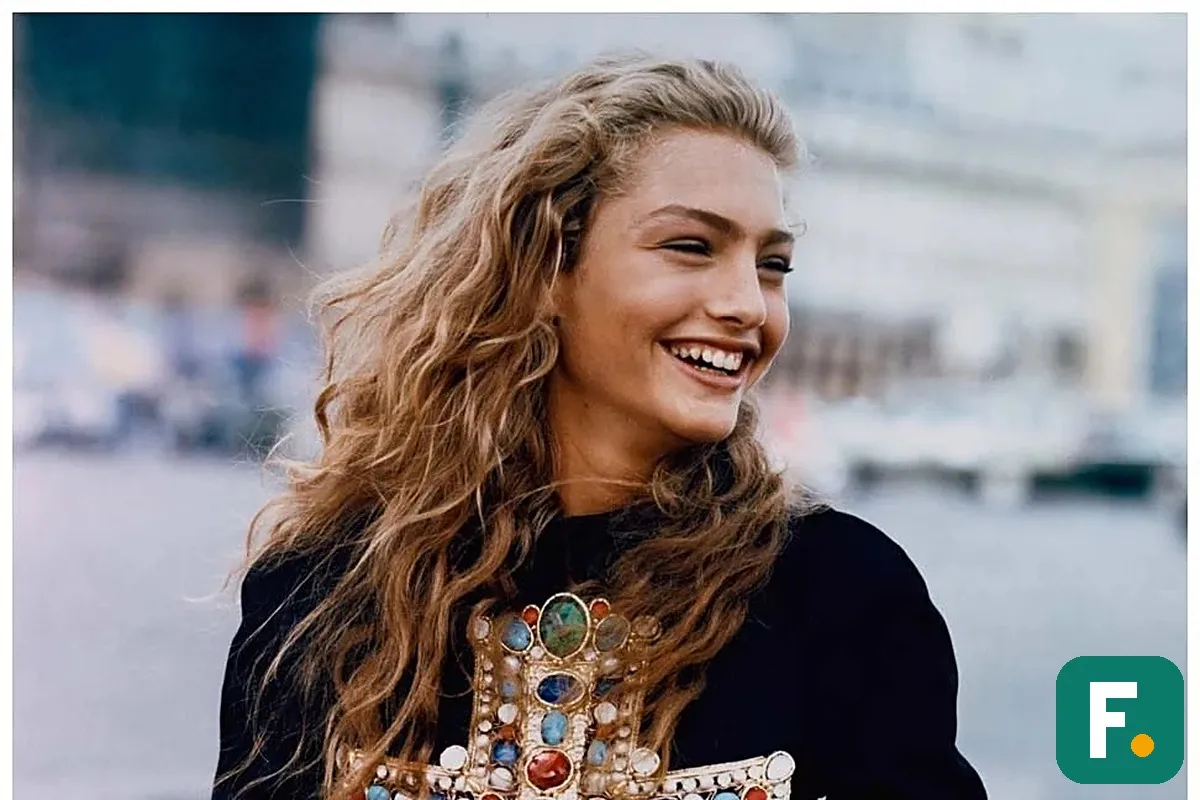
In the summer of 1988 Wintour replaced Grace Mirabella as editor in chief of American Vogue, a post Mirabella had held since 1971. Her first issue was November 1988, and its cover broke the rules of the magazine at once. The photo, taken by Peter Lindbergh, showed 19 year old Israeli model Michaela Bercu in a bejewelled Christian Lacroix jacket worth 10,000 dollars and a pair of faded Guess jeans worth 50 dollars. It was the first time a Vogue cover model had worn jeans, and the jeans had been swapped in at the last minute because the matching skirt did not fit. When the printer saw the picture, staff called the magazine to ask if it was the wrong image. Wintour had mixed high and low fashion on the most serious cover in the business, and she never looked back.
Over the next 37 years Wintour made Vogue her own. She used less well known models and then put film stars and singers on the covers, which brought a new and much wider audience to the magazine. She kept tight control over every page, and the stamp of her approval became known inside the magazine as the sign that a layout, a photograph, or even a comma was ready. Her approach to fashion was summed up in one line she spoke in the 2009 documentary The September Issue, which followed the making of the September 2007 issue of Vogue. In her words, fashion is not about looking back, it is always about looking forward.
"Fashion's not about looking back. It's always about looking forward."
Anna Wintour, The September Issue (2009)
Her name also became part of popular culture through The Devil Wears Prada. Lauren Weisberger, who had worked as one of Wintour assistants in 1999 and 2000, wrote the bestselling novel in 2003, and it was made into a film in 2006 starring Meryl Streep as Miranda Priestly, a fashion editor widely believed to be based on Wintour. Wintour turned heads when she arrived at the film premiere dressed in Prada. She has never said that Miranda Priestly is her, and the book is fiction, but the link between the two women is now part of how the world sees her. She also appeared in the documentaries The September Issue in 2009 and The First Monday in May in 2016, which showed the work behind the Met Gala.
- Creative director of American Vogue in 1983, then editor of British Vogue from 1985 to 1987.
- Editor in chief of American Vogue from 1988 to 2025, replacing Grace Mirabella.
- First cover in November 1988 showed Michaela Bercu in a 10,000 dollar Lacroix jacket and 50 dollar Guess jeans, the first jeans on a Vogue cover.
- Put celebrities on Vogue covers and mixed high fashion with cheap clothes, which widened the magazine audience.
- The Devil Wears Prada, the 2003 novel and 2006 film, is widely believed to be based on her, though she has never confirmed it.
Also Read: Michael Phelps and Audrey Hepburn: Two Kinds of Greatness
Anna Wintour: Met Gala, the Fashion Fund, and the 2025 Change
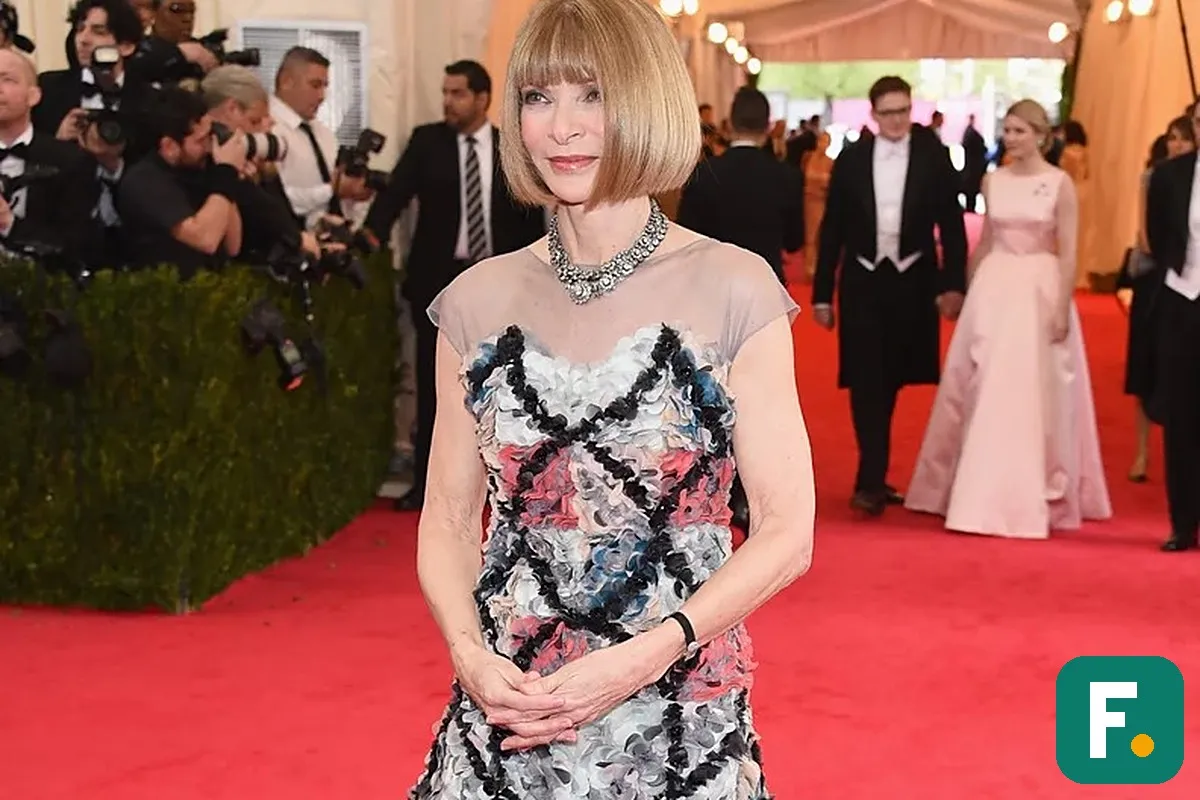
The Met Gala is the annual fundraising event for the Costume Institute of the Metropolitan Museum of Art in New York, and Wintour has been its co chair most years since 1995. When she took it over it was a traditional society dinner. Under her leadership it became the biggest red carpet night in fashion, watched around the world, with every guest, every dress, and every seat needing her approval. The money it raises goes to the Costume Institute, and in 2014 the museum renamed its renovated Costume Institute space the Anna Wintour Costume Center, in recognition of her fundraising and support. She is also a trustee of the Metropolitan Museum of Art.
Wintour also used her power to help new designers. In 2003 she and the Council of Fashion Designers of America started the CFDA Vogue Fashion Fund, which gives money, business advice, and mentoring to young American designers. The fund was created after the economic shock of the attacks of September 11, 2001, and it has helped designers such as Proenza Schouler, Alexander Wang, Thom Browne, Altuzarra, Telfar, Bode, and Christopher John Rogers. In 2013 she became artistic director of Conde Nast, the publisher of Vogue, and she later added the roles of global chief content officer and global editorial director of Vogue, which gave her control over the magazine many editions around the world.
Her honours grew with her power. She was made an Officer of the Order of the British Empire in 2008 and a Dame Commander of the Order of the British Empire in the 2017 New Year Honours, for services to fashion and journalism, and she was invested by Queen Elizabeth II at Buckingham Palace in May 2017. She was made a Member of the Order of the Companions of Honour in the 2023 Birthday Honours, and she received that honour from King Charles III in February 2025, telling him she had no plans to stop working. In January 2025 she was awarded the Presidential Medal of Freedom by President Joe Biden, the highest civilian honour in the United States.
On June 26, 2025, after 37 years as editor in chief of American Vogue, Wintour stepped down from that role. On September 2, 2025, the magazine announced that Chloe Malle would take over as head of editorial content for Vogue in the United States. Malle had joined Vogue in 2011 as a social editor and had become editor of vogue.com, and she is the daughter of actress Candice Bergen and film director Louis Malle. Malle reports directly to Wintour, who remains global chief content officer of Conde Nast and global editorial director of Vogue. The change was not a retirement. Wintour kept the wider job, and she still oversees the Met Gala and the global Vogue brand.
- Co chair of the Met Gala most years since 1995, and the Costume Institute space was named the Anna Wintour Costume Center in 2014.
- Started the CFDA Vogue Fashion Fund in 2003 with the Council of Fashion Designers of America to support young American designers.
- Became artistic director of Conde Nast in 2013, and later global chief content officer and global editorial director of Vogue.
- Made a Dame Commander of the British Empire in 2017, a Companion of Honour in 2023, and awarded the Presidential Medal of Freedom in January 2025.
- Stepped down as editor in chief of American Vogue on June 26, 2025, after 37 years, and was succeeded by Chloe Malle on September 2, 2025.
Tom Kennedy vs Anna Wintour: A Direct Comparison
Kennedy and Wintour both reached the top of their fields, but they did it with opposite tools. Kennedy worked in front of a live audience, spoke to the camera, and made ordinary people feel welcome on television. Wintour worked behind the scenes, spoke rarely, and made the most famous people in fashion wait for her decision. Kennedy became known at 36, when You Don't Say! began on NBC. Wintour became known at 39, when she took charge of American Vogue. One man name was spoken out loud every night on television. The other woman name was whispered in fashion offices around the world.
- Starting point: Kennedy grew up in Kentucky and worked ten years in radio, while Wintour grew up in London in a newspaper family and left school at sixteen.
- First big break: Kennedy first hosted a game show in 1958, at 31. Wintour first edited a magazine in 1985, at 36, and took over American Vogue in 1988, at 39.
- Work style: Kennedy hosted live, kept a fast game moving, and made contestants feel at ease. Wintour edited slowly, controlled every page, and made designers and models wait for her approval.
- Output: Kennedy hosted more than a dozen game shows over three decades. Wintour produced 37 years of Vogue issues, plus the Met Gala and the Fashion Fund.
- Money: Kennedy estimated wealth is given in a wide range, from about 1 million to about 10 million dollars, and no figure is verified. Wintour estimated wealth is put at about 50 million dollars by Celebrity Net Worth.
- Public life: Kennedy was a warm and familiar face on television, married for 59 years, and retired quietly. Wintour is a private figure with two children, famous for her bob and sunglasses, and still working in 2026.
- Legacy: Kennedy helped define the golden age of the American game show. Wintour changed fashion publishing, the Met Gala, and the careers of a generation of designers.
- Age at the top: Kennedy won his lifetime achievement award at 78, with his brother. Wintour received the Presidential Medal of Freedom at 75, while still in charge of Vogue worldwide.
What Readers Often Get Wrong
The first mistake is to think the two are connected. They are not related, they have never worked together, and no public record links Kennedy to Wintour or Wintour to Kennedy. They appear together in this article only because both built a long career at the top of a very different field.
The second mistake is to think Tom Kennedy is only one person. The name belongs to several different people, including a jazz bass player, a Massachusetts state senator, an actor from the silent film era, a footwear executive, and an American football player. This article is about one of them only: the game show host born James Edward Narz in 1927. The Tom Kennedy photographed at a fashion event in 2023 was not the game show host, who had died in 2020, and the football player is a different man again.
The third mistake is to say Kennedy hosted the daytime Price Is Right. He did not. Bob Barker hosted the daytime show. Kennedy hosted the separate nighttime syndicated version from 1985 to 1986. The fourth mistake is to say Wintour left Vogue completely in 2025. She did not. She stepped down as editor in chief of American Vogue, but she kept her roles as global chief content officer of Conde Nast and global editorial director of Vogue.
The fifth mistake is to treat The Devil Wears Prada as a true story about Wintour. It is a novel, written by a former assistant, and its editor Miranda Priestly is widely believed to be based on Wintour, but Wintour has never confirmed that, and the book is fiction. The sixth mistake is to quote one fixed number for Kennedy net worth. Online estimates run from about 1 million to about 10 million dollars, and none of them is backed by a public filing, so the range is the honest answer. The seventh mistake is to think Wintour was born in America. She was born in London to a British father and an American mother, and she holds both British and American citizenship.
Frequently Asked Questions
1. Are Tom Kennedy and Anna Wintour related?
No. They share no family link, no business link, and no public friendship. Kennedy was a television host from Kentucky who died in 2020. Wintour is a fashion editor from London who still works in New York. They are compared in this article because both built long careers at the top of very different fields.
2. Which Tom Kennedy is this article about?
This article is about the American game show host born James Edward Narz on February 26, 1927, in Louisville, Kentucky. He hosted You Don't Say!, Split Second, Name That Tune, and Password Plus. The name Tom Kennedy is also used by a jazz musician, a senator, an actor, a business executive, and a football player, and this article is not about any of them.
3. What shows did Tom Kennedy host?
His biggest shows were You Don't Say! from 1963 to 1969, Split Second from 1972 to 1975, Name That Tune from 1974 to 1981, and Password Plus from 1980 to 1982. He also hosted The Big Game, Dr. I.Q., It's Your Bet, Break the Bank, 50 Grand Slam, To Say the Least, Whew!, Body Language, a nighttime version of The Price Is Right, and Wordplay, his last show, from 1986 to 1987.
4. When did Anna Wintour leave Vogue?
She stepped down as editor in chief of American Vogue on June 26, 2025, after 37 years in the role. She did not leave Vogue completely. Chloe Malle became head of editorial content for American Vogue on September 2, 2025, and reports to Wintour, who remains global chief content officer of Conde Nast and global editorial director of Vogue.
5. What is the Met Gala and what is Wintour role in it?
The Met Gala is the annual fundraising event for the Costume Institute of the Metropolitan Museum of Art in New York. Wintour has been its co chair most years since 1995, and she turned it from a society dinner into the biggest red carpet night in fashion. In 2014 the museum named its Costume Institute space the Anna Wintour Costume Center, in recognition of her work.
6. What are their net worths?
Celebrity Net Worth puts Anna Wintour net worth at about 50 million dollars, which is an estimate, not a confirmed total. For Tom Kennedy there is no reliable single figure. Online estimates differ widely, from about 1 million to about 10 million dollars, and none of them is backed by a public filing, so the range is the honest answer.
Conclusion
The lives of Tom Kennedy and Anna Wintour show two different ways to build a career that lasts for decades. Kennedy started with a radio microphone in Kentucky and Missouri, changed his name to avoid confusion with his brother, and then spent thirty years asking questions, giving clues, and letting ordinary people win prizes on television. He never sought fame outside the studio, and he retired quietly when the work stopped coming. Wintour started as an editorial assistant in London, was fired in New York after nine months, and then climbed back, magazine by magazine, until she ran the most powerful fashion magazine in the world for 37 years. She never stopped deciding what fashion would be, and even after stepping down from the daily job in 2025, she still holds the wider power at Conde Nast and Vogue. One man made television feel friendly. One woman made fashion feel serious. Neither of them did it in a year, and neither of them did it by accident. They both did the same work, well, for a very long time.

About the author
Facts of Media Editorial Team
The Facts of Media Editorial Team is dedicated to delivering accurate, informative, and engaging content across media, technology, business, entertainment, and trending topics. Our team researches and reviews information to provide readers with reliable insights, useful facts, and the latest updates.
Related Articles
More in Biography
Stephen King and Richard LeFrak: Two Very Different Kinds of Power
Biography feature
BiographyStephen King and Richard LeFrak biography with Carrie, The Shining, It, LeFrak City, Newport, and two different routes to the top, explained simply.
Read article
Jennifer Lawrence and Jim Taiclet: Two Very Different Kinds of Power
Biography feature
BiographyJennifer Lawrence and Jim Taiclet biography with an Oscar, The Hunger Games, Lockheed Martin, the F-35, and two different routes to the top, explained simply.
Read article
Michael Phelps and Audrey Hepburn: Two Kinds of Greatness
Biography feature
BiographyMichael Phelps and Audrey Hepburn biography with 28 Olympic medals, Roman Holiday, Breakfast at Tiffany's, and UNICEF work, explained simply.
Read article