Stephen King and Richard LeFrak: Two Very Different Kinds of Power
Biography, careers, horror, buildings, and the very different work that made each of them known

More than 350 million copies of Stephen King books have been sold, and readers around the world know him as the King of Horror, while Richard LeFrak runs one of the largest family real estate companies in the New York area and has built whole neighborhoods from empty rail yards. No family link, no friendship on public record, and no business connection joins them. One works alone at a desk in Maine, writing about haunted hotels, killer clowns, and small towns. The other works in boardrooms and on construction sites, deciding where thousands of homes and offices should stand. This article gives the plain facts of both lives, side by side.
Reading them together still makes sense, because both men took over a field that looked closed to outsiders and then stayed at the top of it for decades. King came from a poor home in Maine, taught school for 6,400 dollars a year, and threw his first novel in the trash before his wife pulled it out. LeFrak was born into a real estate family, studied law, and then spent fifty years turning his father's company into a builder of cities. One kind of power is measured in books sold, films made, and readers kept awake at night. The other is measured in apartments built, acres developed, and skylines changed. The facts below cover both lives in simple language, with no padding.
Quick Facts: Stephen King and Richard LeFrak
| Detail | Stephen King | Richard LeFrak |
|---|---|---|
| Full name | Stephen Edwin King | Richard S. LeFrak |
| Born | September 21, 1947, Portland, Maine, USA | August 29, 1945, New York City, USA |
| Main field | Novels, short stories, and film adaptations | Real estate development and management |
| Best known for | Carrie, The Shining, It, and The Shawshank Redemption | Chairman and CEO of LeFrak, builder of Newport |
| Career length | Writing since the 1960s, still publishing in 2025 | Joined the family company in 1968, still leading it |
| Public profile | Very public, active on social media and in interviews | Public as a chief executive, private about family life |
| Reported wealth | About $400 million to $500 million, estimates differ | Forbes puts the family fortune at about $2.8 billion, other estimates are higher |
Wealth figures in this article are estimates, not official bank balances. Book royalties, film rights, company stock, and private property are reported in different ways, and no public filing gives a full personal total for either man. The figures here give a rough scale only, and where estimates disagree, the article says so.
Who Is Stephen King?
Stephen King, an American novelist and short story writer, is widely credited with pulling horror fiction back into the heart of popular reading in the late twentieth century. His output runs to 61 novels, seven of them under the pen name Richard Bachman, around 200 short stories, and five nonfiction books, and readers around the world have bought more than 350 million copies of his work. His best known works include his first novel, a story about a bullied schoolgirl with telekinetic powers, a haunted hotel novel, a long novel about a killer clown, and a prison novella that became one of the most loved films ever made.
People who follow books often describe King as a writer who never left his home ground. Most of his stories take place in Maine, in small towns with ordinary people, and the horror grows out of everyday life rather than out of castles or distant lands. He writes fast, often 2,000 words a day, and he has kept that pace for more than fifty years. His work has won the National Medal of Arts, the Medal for Distinguished Contribution to American Letters, and more than a dozen Bram Stoker Awards, and his stories have been turned into dozens of films and television shows.
Stephen King: Childhood and the First Break

Portland, Maine, is where King entered the world on September 21, 1947, as the younger of two boys born to Donald Edwin King and Nellie Ruth Pillsbury. His father left the family when Stephen was two years old, and his mother raised Stephen and his older brother David on her own, moving between Maine and other states and working low paid jobs to keep the family going. King started writing as a boy, selling stories to friends and making his own small magazines, and he kept writing through school in Durham and Lisbon Falls, Maine.
After high school he entered the University of Maine at Orono in 1966, where he studied English, wrote a column called King's Garbage Truck for the campus newspaper, and sold his first professional short story, The Glass Floor, to Startling Mystery Stories in 1967. At the university he met Tabitha Spruce, a fellow student and library worker who also wanted to write. He graduated in 1970, and he married Tabitha on January 2, 1971. Their daughter Naomi was born in 1970, their son Joseph followed in 1972, and their son Owen was born in 1977. Joseph now writes horror novels under the name Joe Hill, and Owen is also a novelist.
Money was tight for years. King took a job as an English teacher at Hampden Academy in the fall of 1971, earning 6,400 dollars a year, and the young family lived in a trailer in Hermon, Maine. He worked summers in an industrial laundry, and Tabitha worked in a donut shop. He wrote at night and sold short stories to men's magazines to add to the family income. Then, in early 1973, he began work on a short story about Carietta White, a teenage girl who was bullied at school and carried a secret power. A few pages in, he lost faith in the draft, balled the sheets up, and dropped them in the wastebasket. Tabitha pulled them back out, read what he had written, and urged him to see the story through.
He did, and the finished book was Carrie. He sent it to Doubleday in January 1973, the publisher bought it in March, and it was published in 1974. The advance was only 2,500 dollars, but in May 1973 Doubleday sold the paperback rights for 400,000 dollars, and half of that money went to King. He quit his teaching job and became a full time writer. The film version followed in 1976, directed by Brian De Palma and starring Sissy Spacek as Carrie White and Piper Laurie as her fanatically religious mother. It earned two Academy Award nominations, holds a 94 percent rating on Rotten Tomatoes, and took about 33.9 million dollars around the world. His mother, who had been read chapters from an early copy of the book, died of cancer in 1974, before the book reached the shops.
- Born September 21, 1947, in Portland, Maine, and raised by his mother after his father left when he was two.
- Met his wife Tabitha at the University of Maine, married her in 1971, and raised three children in Maine.
- Taught English at Hampden Academy for 6,400 dollars a year while writing at night.
- Threw the first pages of Carrie in the trash, then finished the book after Tabitha pulled them out.
- Carrie brought a 2,500 dollar advance and 200,000 dollars from the paperback sale, enough to let him write full time.
Stephen King: The Shining, It, and the Horror Years
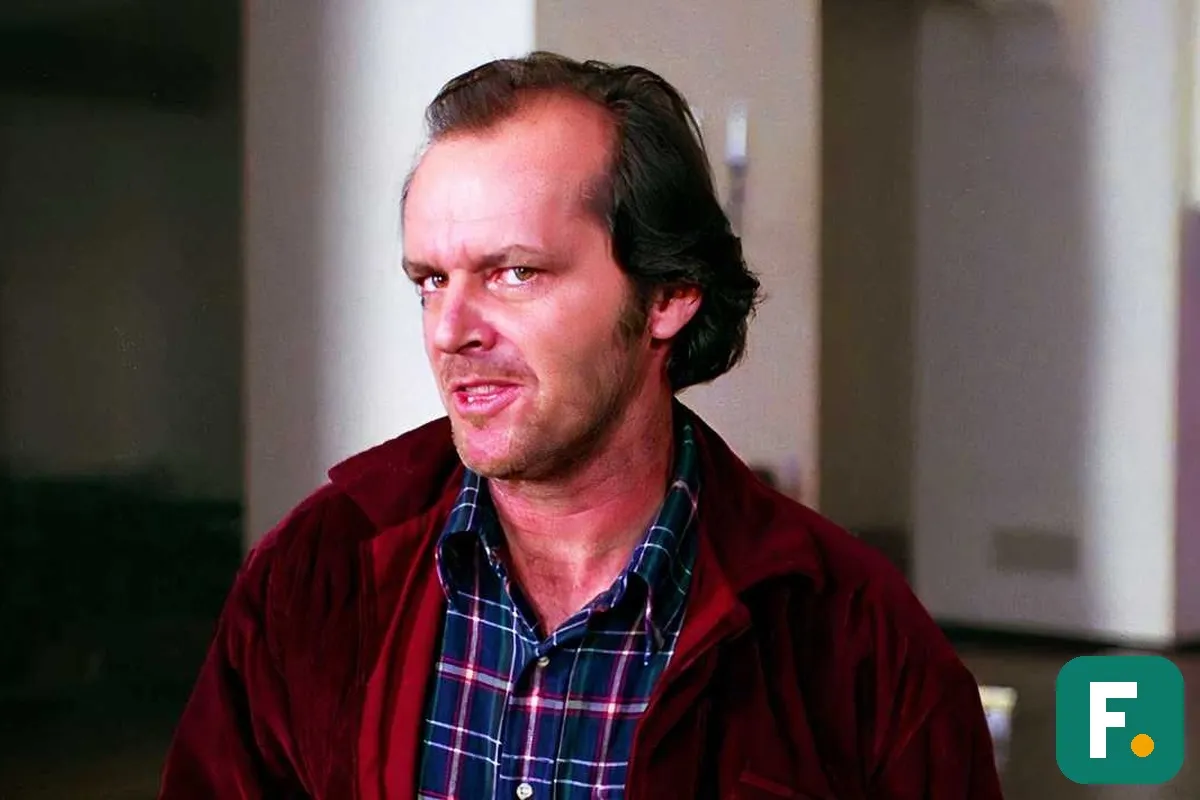
After Carrie, the books came fast. Salem's Lot arrived in 1975, a vampire story set in a small Maine town. Then the family moved to Boulder, Colorado, after his mother's death, and there King wrote The Shining, published in 1977, about a writer who takes a winter job as caretaker of the isolated Overlook Hotel and slowly loses his mind while his young son sees ghosts in the halls. The film version, directed by Stanley Kubrick and released in 1980, starred Jack Nicholson as Jack Torrance and Shelley Duvall as his wife Wendy, and it is still one of the most quoted horror films ever made. King himself has said he did not like Kubrick's version, because it made the hotel the star and left the family cold, but the film made the story famous around the world.
The Stand followed in 1978, a long novel about a plague that kills most of the world and the fight between good and evil that follows. Firestarter came in 1980, Cujo in 1981, Christine in 1983, and Pet Sematary in 1983. Then, in 1986, he published It, a novel of more than 1,100 pages about seven children in the town of Derry, Maine, who face a shape shifting creature that usually appears as a clown called Pennywise, and then face it again as adults twenty seven years later. It was the best selling hardcover novel in the United States in that year, with a first printing of one million copies. A television miniseries followed in 1990, and a new film version in 2017 made Pennywise famous again for a new generation.
In the same years King was also writing under a second name. From 1977 to 1984 he published five short novels as Richard Bachman, including Rage, The Long Walk, Roadwork, The Running Man, and Thinner. He wanted to test whether his books sold because of his name or because of the writing, and he wanted to publish more than one book a year without flooding the shops under his own name. The secret held for years, until a Washington bookstore clerk named Steve Brown noticed that the writing style matched King and checked the copyright records. King then admitted the truth, and later published two more novels as Bachman. The Running Man was filmed in 1987 with Arnold Schwarzenegger, and a new film version of The Long Walk was released in 2025.
King also worked through a hard personal period in the 1980s, when he drank heavily and used cocaine while writing at full speed. In 1987 his wife and family staged an intervention, gathered his drug supplies in front of him, and told him to stop. He did, and he has stayed sober since. He has written about that time openly, in his memoir On Writing, published in 2000, where he also set out his plain rules for writing: read a lot, write every day, and cut the extra words. One line from that book is quoted by new writers more than any other. In his words, if you do not have time to read, you do not have the time or the tools to write.
"If you don't have time to read, you don't have the time (or the tools) to write."
Stephen King, On Writing (2000)
- The Shining (1977) was written in Boulder, Colorado, and filmed by Stanley Kubrick in 1980 with Jack Nicholson.
- The Stand (1978) is a long novel about a plague and the fight that follows it.
- It (1986) was the best selling hardcover novel in the United States in its year, with a first printing of one million copies.
- Five early novels were published as Richard Bachman, until a bookstore clerk found the secret in 1985.
- After a family intervention in 1987, King stopped drinking and using drugs and has stayed sober since.
Stephen King: Shawshank, the Green Mile, and Beyond Horror
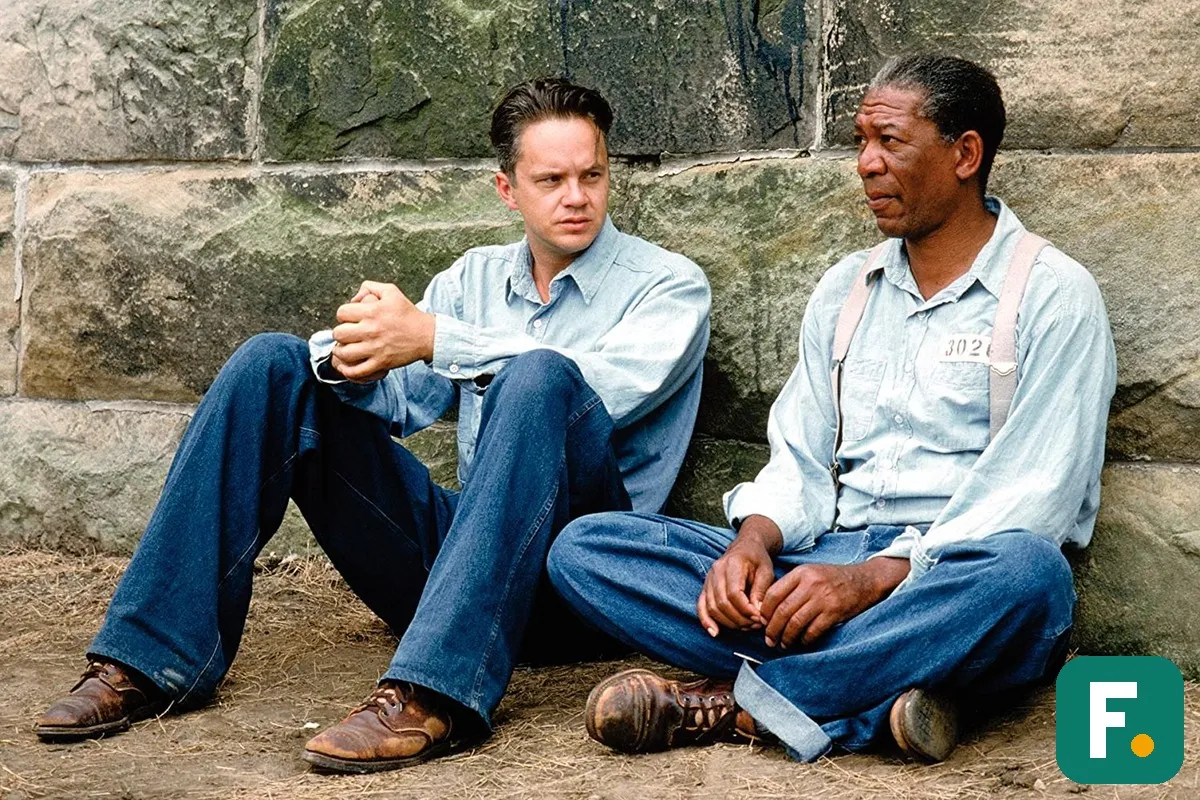
King is called the King of Horror, but some of his most loved work has no monsters in it at all. In 1982 he published Different Seasons, a collection of four novellas, and two of them became films that had nothing to do with horror. The Body became Stand by Me in 1986, a film about four boys walking along railway tracks to find a dead body, and Rita Hayworth and Shawshank Redemption became The Shawshank Redemption in 1994. The film, written and directed by Frank Darabont, stars Tim Robbins as Andy Dufresne, a banker sent to prison for murders he says he did not commit, and Morgan Freeman as Red, the prisoner who becomes his friend over nineteen years inside.
The Shawshank Redemption was a failure in cinemas at first. It cost 25 million dollars to make and took only about 16 million dollars in its first run in the United States. It earned seven Academy Award nominations, including Best Picture and Best Actor for Freeman, but won none of them. Then people found it on video and on television, and it grew year by year into one of the most loved films ever made. It now holds an 89 percent critics rating and a 98 percent audience rating on Rotten Tomatoes, and on IMDb it holds a 9.3 out of 10 rating from more than 3.2 million users, which keeps it at number one on the site Top 250 list, ahead of The Godfather and The Dark Knight. Its total earnings, after a re release, reached about 73.3 million dollars, and its most famous line, spoken by Andy, is still quoted today: get busy living, or get busy dying.
Darabont returned to King work twice more. The Green Mile, a serial novel King published in six small parts in 1996, became a film in 1999 with Tom Hanks as prison guard Paul Edgecomb and Michael Clarke Duncan as John Coffey, a death row prisoner with a gift for healing. Misery, a 1987 novel about a writer held prisoner by his most devoted fan, became a film in 1990, and Kathy Bates won the Academy Award for Best Actress for playing Annie Wilkes. By then King had also started his longest project, The Dark Tower, a fantasy western about a gunslinger named Roland. The first book, The Gunslinger, was published in 1982, and the series ran until 2012, crossing horror, fantasy, and western in a way no other King series had done.
The awards for his whole career are just as wide. He won the O. Henry Award in 1994 for his short story The Man in the Black Suit, the Medal for Distinguished Contribution to American Letters from the National Book Foundation in 2003, the Grand Master Award from the Mystery Writers of America in 2007, and the National Medal of Arts in 2014, presented by President Barack Obama in 2015. He has won fifteen Bram Stoker Awards, more than any other writer, and in total he has won more than one hundred awards for his books. His 2011 novel 11/22/63, about a teacher who travels back in time to stop the killing of President Kennedy, won the Los Angeles Times Book Prize for Mystery and Thriller.
- Different Seasons (1982) gave the world Stand by Me and The Shawshank Redemption, two films with no horror in them.
- The Shawshank Redemption earned seven Oscar nominations, flopped at first, then became the number one rated film on IMDb.
- The Green Mile (1999) and Misery (1990) were both directed from King books, and Kathy Bates won an Oscar for Misery.
- The Dark Tower series ran from 1982 to 2012 and mixed horror, fantasy, and western.
- His career honors include the National Medal of Arts, the Medal for Distinguished Contribution to American Letters, and fifteen Bram Stoker Awards.
Stephen King: The Accident, the Comeback, and the Later Books

On June 19, 1999, King was walking on the shoulder of Maine State Route 5 near his home in Lovell, Maine, when a minivan struck him. The driver, Bryan Smith, had been distracted by his dog moving in the back of the van. King was thrown about fourteen feet from the road and suffered a collapsed lung, broken ribs, a broken leg, and a badly fractured hip. He had five operations in ten days and faced months of painful therapy. Doctors at one point considered taking his leg. He survived, and he later bought the van that had hit him, so that fans could not buy it first.
The accident changed his writing. Tabitha set up a desk for him and told him to try writing again, and he wrote the novel Dreamcatcher by hand on legal pads while taking pain medicine. He also rushed to finish The Dark Tower, because he did not want to leave his longest story unfinished if he died. He wrote the accident into his later books, and he started the Haven Foundation, a charity that helps writers, artists, and other freelancers who cannot work because of injury or illness. He had already set up the Stephen and Tabitha King Foundation with his wife, which gives money to libraries, schools, and arts groups in Maine.
After the accident King moved into crime fiction as well as horror. The Mr. Mercedes trilogy, starting in 2014, introduced a retired detective named Bill Hodges and a young woman named Holly Gibney, who was so popular with readers that she took over her own series. The Outsider followed in 2018, If It Bleeds in 2020, Holly in 2023, and Never Flinch on May 27, 2025, a crime novel in which Holly works as a bodyguard and helps the police with a killer who threatens to murder thirteen innocent people and one guilty one. It (2017) had already brought Pennywise back to cinemas, earning more than 700 million dollars around the world, and The Life of Chuck, a film from his 2020 novella, was released in 2024. King still lives in Bangor, Maine, with Tabitha, still writes every day, and still plays guitar in a band of writers called the Rock Bottom Remainders. His books have been translated into more than forty languages, and his estimated net worth is usually given as about 400 million to 500 million dollars, though no single figure is confirmed.
- On June 19, 1999, a minivan struck King while he walked in Maine, leaving him with a collapsed lung and a fractured hip and leg.
- He had five operations in ten days, wrote Dreamcatcher by hand during recovery, and later bought the van that hit him.
- He started the Haven Foundation to help artists who cannot work because of injury or illness.
- Holly Gibney, first seen in Mr. Mercedes in 2014, became the lead of her own crime series, most recently in Never Flinch in 2025.
- It (2017) brought Pennywise back to cinemas and took more than 700 million dollars around the world.
Who Is Richard LeFrak?
Richard S. LeFrak, an American billionaire businessman, leads LeFrak as chairman and chief executive officer, a privately held real estate company run by his family and based in New York City. The company is one of the largest landlords in the New York metropolitan area, and under Richard it has grown from a New York family business into a developer of large neighborhoods in New Jersey, Florida, and California. He is the third generation of his family to lead the company, and his two sons now work beside him as vice chairs.
LeFrak does not seek the public eye the way a film star does. He gives few interviews, and most of what the public knows about him comes from company announcements, property records, and the projects themselves. What is clear from those records is the scale of the work: tens of thousands of apartments built or bought, millions of square feet of offices and shops, and two of the largest master planned communities on the East Coast. Forbes puts the family fortune at about 2.8 billion dollars, which places the family around number 1,485 on the world billionaire list, while other trade publications put the figure above 6 billion dollars. The gap shows how hard it is to value private property, and this article gives the Forbes figure first and the higher estimates second, so readers can see the range.
Richard LeFrak: A Family Business and LeFrak City

LeFrak arrived on August 29, 1945, in New York City, as the son of Samuel J. LeFrak. The family business is more than a century old. Its roots go back to France in the 1800s, where his great great grandfather Maurice was a developer, and his grandfather Harry immigrated to the United States in 1902 and started building there. The American company dates its founding to 1905. Samuel became president of the company in 1948 and led it for more than fifty years, developing about 200,000 homes and apartments and becoming one of the best known builders in New York.
Richard was educated for a different kind of leadership. He graduated cum laude from Amherst College in 1967 with a bachelor's degree, earned a law degree from Columbia University, and received an honorary doctorate from Amherst in 1998. He joined the family company in 1968, became president in 1975, and was elected chairman and chief executive in 2003, after his father died at the age of 85. His wife Karen Tucker is a children's author, and their sons Harrison and Jamie LeFrak are now vice chairs of the company, with Adam Silfen serving as president and chief operating officer. The family is now preparing the fourth generation to take over the business.
The project that still carries the family name most plainly is LeFrak City, a complex of 20 brick apartment buildings in Corona, Queens, built by Samuel in the 1960s. It holds about 5,000 apartments and is home to about 15,000 people, with its own shops, schools, and a recreation center. At the time it was one of the largest private housing projects in the United States, and it showed the family method: build homes for ordinary working people, keep the buildings, and manage them for decades rather than selling them off. Richard grew up inside that method, and he has kept it ever since, even as the company moved into offices, hotels, and luxury homes.
- Born August 29, 1945, in New York City, the son of Samuel J. LeFrak, who led the company from 1948 to 2003.
- Graduated cum laude from Amherst College in 1967 and earned a law degree from Columbia University.
- Joined the company in 1968, became president in 1975, and chairman and chief executive in 2003.
- LeFrak City in Queens holds 20 buildings, about 5,000 apartments, and about 15,000 people.
- His sons Harrison and Jamie are vice chairs, and the family is preparing the fourth generation to lead.
Richard LeFrak: Newport, SoLe Mia, and the Next Generation

Newport, in Jersey City, New Jersey, is the project that defines what Richard LeFrak built as a leader. In 1986 his company, working with mall developer Melvin Simon, broke ground on 600 acres of abandoned piers and rail yards on the Hudson River, across the water from Lower Manhattan. The land had sat empty for years, and the work needed sewers, streets, and new transport links before a single home could be sold. A federal grant of 40 million dollars in 1983 helped pay for the first sewers and streets, and New Jersey offered tax breaks to pull financial firms across the river from Manhattan. The price of the whole project had risen to about 10 billion dollars by 2004, and it is still growing.
Today Newport is a complete waterfront neighborhood. It has 19 residential buildings and eight Class A office towers, about 7,500 homes, 8 million square feet of office space, and about 25,000 workers. In 2026 the LeFrak and Simon families marked forty years since the project began and announced plans for at least 19 more sites there. The same long view shapes the family other large project, SoLe Mia in North Miami, Florida, a 184 acre master planned community built with Jackie Soffer company Turnberry on a former industrial site. The project is planned for about 5,000 homes at a cost of about 4 billion dollars, with a 7 acre freshwater lagoon in the middle. Richard has said the work is about 20 percent done and will take about fifteen more years, after the company already moved about one million cubic yards of dirt to build roads and services.
The company has also spread beyond New York in smaller ways, with 1 Hotel Homes in Miami and office buildings in Hollywood and Beverly Hills. In total, the LeFrak company has developed or bought about 22,000 apartments in New York, New Jersey, South Florida, and the West Coast, and it owns about 16 million square feet of retail, residential, and commercial property. The family also gives money away through the Richard S. and Karen LeFrak Charitable Foundation, started in 1990, and the older Samuel J. and Ethel LeFrak Charitable Foundation, started in 1989. In 2026, for the fortieth anniversary of Newport, the families announced a 1 million dollar gift to 40 nonprofits serving Jersey City, and at a September gala they doubled the awards to 2 million dollars and promised another 1 million dollars a year for the next five years.
When asked in 2026 about future projects, including a possible return to building in Queens, Richard gave an answer that sums up the family approach to big work. In his words, if it was right, we would do it, we do these big projects, we have the resources to do them. That is the difference between LeFrak and most developers: the company builds with its own money, holds what it builds, and plans in decades rather than in quarters.
"If it was right, we would do it. We do these big projects, we have the resources to do them."
Richard LeFrak, September 2026
- Newport began in 1986 on 600 acres of old rail yards in Jersey City, and its cost had reached about 10 billion dollars by 2004.
- Today Newport has 19 residential buildings, eight office towers, about 7,500 homes, and about 25,000 workers.
- SoLe Mia in North Miami is a 184 acre, 5,000 home, 4 billion dollar project, about 20 percent done, with a 7 acre lagoon.
- The company has developed or bought about 22,000 apartments and owns about 16 million square feet of property.
- In 2026 the families gave 2 million dollars to 40 Jersey City nonprofits for the fortieth anniversary of Newport.
Stephen King vs Richard LeFrak: A Direct Comparison
King and LeFrak both reached the top of their fields, but they did it with opposite tools. King works alone, writes every day, and sells stories that cost almost nothing to make and can be read anywhere in the world. LeFrak works with hundreds of people, borrows and spends billions, and builds things that stand in one place for fifty years. King became famous at 26, when Carrie was published. LeFrak took charge of his family company at 58, after thirty five years of working inside it. One man name is on every book cover. The other man name is on buildings that thousands of people live in without ever knowing who he is.
- Starting point: King grew up poor in Maine and taught school, while LeFrak was born into a real estate family in New York.
- First big break: Carrie was published in 1974, when King was 26. LeFrak became president in 1975, when he was 30, and chairman in 2003, when he was 58.
- Work style: King writes alone at a desk and publishes a new book most years. LeFrak runs a company with thousands of employees and plans projects that last decades.
- Output: King has published 61 novels and about 200 short stories. LeFrak company has developed or bought about 22,000 apartments and built two large master planned communities.
- Money: King estimated wealth is about 400 million to 500 million dollars from books and films. LeFrak family fortune is put at about 2.8 billion dollars by Forbes, with higher estimates elsewhere.
- Public life: King is a public figure who speaks openly about his life and his politics. LeFrak is a private chief executive who rarely gives interviews.
- Legacy: King changed horror fiction and film for a generation. LeFrak changed the skyline of Jersey City and the housing map of Queens.
- Age at the top: King won his first major national honor, the Medal for Distinguished Contribution to American Letters, at 56. LeFrak took full control of his company at 58.
What Readers Often Get Wrong
The first mistake is to think the two men are connected. They are not related, they have never worked together, and no public record links King to LeFrak or LeFrak to King. They appear together in this article only because both built a long career from a single strong base, one in books and one in buildings.
The second mistake is to call King only a horror writer. Horror is his best known work, but The Shawshank Redemption, The Green Mile, Stand by Me, and 11/22/63 are dramas, and his recent Holly Gibney books are crime novels with no supernatural element at all. The third mistake is to think Carrie made him rich overnight. The paperback sale was 400,000 dollars, half of which went to King, and he had already spent years teaching and writing short stories for small payments before that money arrived.
The fourth mistake is to credit Richard LeFrak with building LeFrak City. His father Samuel built it in the 1960s, and Richard grew up in the company his father ran. The fifth mistake is to quote one fixed number for LeFrak net worth. Forbes gives about 2.8 billion dollars for the family, while trade publications give more than 6 billion dollars, because a private property company is valued in different ways by different people. The sixth mistake is to think Newport was built in a few years. It began in 1986, passed 10 billion dollars in cost by 2004, and is still adding new sites forty years later.
Frequently Asked Questions
1. Are Stephen King and Richard LeFrak related?
No. They share no family link, no business link, and no public friendship. King is a novelist from Maine. LeFrak is a real estate developer from New York. They are compared in this article because both built long careers at the top of very different fields.
2. How many books has Stephen King written?
His count runs to 61 novels, seven of them under the pen name Richard Bachman, around 200 short stories, and five nonfiction books. His books have sold more than 350 million copies around the world and have been translated into more than forty languages.
3. What is Stephen King net worth?
Estimates usually give about 400 million to 500 million dollars, from book royalties, film and television rights, and property. No single figure is confirmed, because his private finances are not public, so the range is the honest answer.
4. What is Richard LeFrak net worth?
Forbes puts the LeFrak family fortune at about 2.8 billion dollars, ranking the family around number 1,485 in the world. Other trade publications put the figure above 6 billion dollars. The difference comes from different ways of valuing private property, so readers should treat any single number with care.
5. What is LeFrak City?
LeFrak City is a complex of 20 brick apartment buildings in Corona, Queens, built by Samuel J. LeFrak in the 1960s. It holds about 5,000 apartments and is home to about 15,000 people. It was one of the largest private housing projects in the United States when it was built, and the family still owns and manages it.
6. What is Newport in Jersey City?
Newport is a 600 acre waterfront neighborhood in Jersey City, built by the LeFrak and Simon families on old rail yards from 1986 onward. It has 19 residential buildings, eight office towers, about 7,500 homes, and about 25,000 workers, and new sites are still being added forty years after work began.
Conclusion
The lives of Stephen King and Richard LeFrak show two different ways to build a life work that lasts. King started with nothing but a typewriter and a habit of writing every day, and he turned small Maine towns into the most famous setting in modern horror, then proved he could write prison dramas, crime novels, and fantasy as well. LeFrak started with a family company and a law degree, and he turned empty rail yards into a city across the river from Manhattan, then started a second one in Florida that will take another fifteen years to finish. One man builds worlds on paper. The other builds them in brick, glass, and concrete. Neither man did it in a year, and neither man did it alone: King had Tabitha pull his first novel out of the trash, and LeFrak had a father, a partner in Melvin Simon, and now two sons working beside him. That is the real lesson of both lives. A long career is not one lucky break. It is the same work, done well, for decades.

About the author
Facts of Media Editorial Team
The Facts of Media Editorial Team is dedicated to delivering accurate, informative, and engaging content across media, technology, business, entertainment, and trending topics. Our team researches and reviews information to provide readers with reliable insights, useful facts, and the latest updates.
Related Articles
More in Biography
Tom Kennedy and Anna Wintour: Two Very Different Kinds of Power
Biography feature
BiographyTom Kennedy and Anna Wintour biography with Name That Tune, Password Plus, Vogue, the Met Gala, and two different routes to the top, explained simply.
Read article
Jennifer Lawrence and Jim Taiclet: Two Very Different Kinds of Power
Biography feature
BiographyJennifer Lawrence and Jim Taiclet biography with an Oscar, The Hunger Games, Lockheed Martin, the F-35, and two different routes to the top, explained simply.
Read article
Michael Phelps and Audrey Hepburn: Two Kinds of Greatness
Biography feature
BiographyMichael Phelps and Audrey Hepburn biography with 28 Olympic medals, Roman Holiday, Breakfast at Tiffany's, and UNICEF work, explained simply.
Read article