Jennifer Lawrence and Jim Taiclet: Two Very Different Kinds of Power
Biography, careers, fame, money, and the very different work that made each of them known
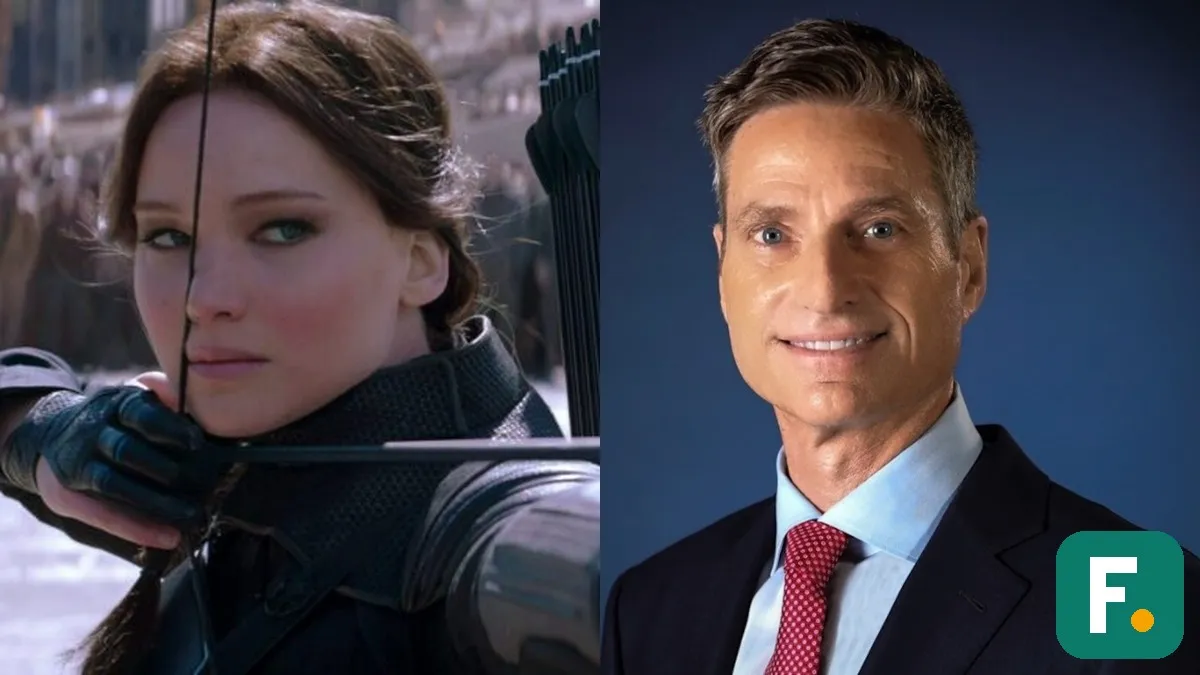
Few film stars of her generation are as widely known as Jennifer Lawrence, who took home an Academy Award at 22 and then led one of the largest film franchises anywhere. Jim Taiclet leads Lockheed Martin as chairman, president, and chief executive, the largest defense company in the world, after years as an Air Force pilot and after running a cell tower company before he took charge of the builder of the F-35 fighter jet. No family link, no friendship on public record, and no business connection joins them. One works in front of cameras. The other works in boardrooms, factories, and government contracts.
Reading them side by side still makes sense, because both reached the top of a field where very few people ever arrive, and both did it by a route that looked unlikely at the start. Lawrence came from Kentucky with no family link to Hollywood and, before she turned 26, she was earning more than any other actress in the world. Taiclet came from Pittsburgh, the son of a boilermaker, and flew transport aircraft before he ran two very large public companies. One kind of power is measured in box office, awards, and public attention. The other is measured in contracts, aircraft delivered, and a company with about 123,000 employees. The facts below cover both lives in simple language, with no padding.
Quick Facts: Jennifer Lawrence and Jim Taiclet
| Detail | Jennifer Lawrence | Jim Taiclet |
|---|---|---|
| Full name | Jennifer Shrader Lawrence, now Jennifer Shrader Maroney | James Donald Taiclet Jr. |
| Born | August 15, 1990, Indian Hills, Louisville, Kentucky, USA | May 13, 1960, Pittsburgh, Pennsylvania, USA |
| Main field | Film acting and producing | Aerospace, defense, and corporate leadership |
| Best known for | Katniss Everdeen in The Hunger Games, Oscar for Silver Linings Playbook | Chairman, president, and CEO of Lockheed Martin since 2020 |
| Career peak | 2010 to 2016 in film, then producing from 2018 | 2003 to 2020 at American Tower, 2020 onward at Lockheed Martin |
| Public profile | Very public, known for a candid, direct manner in interviews | Public as a chief executive, private about family life |
| Reported wealth | About $160 million to $180 million, estimates differ | No single reliable public total, pay is largely stock based |
Wealth figures in this article are estimates, not official bank balances. Film pay, company stock, and private holdings are reported in different ways, and no public filing gives a full personal total for either person. The figures here give a rough scale only, and where estimates disagree, the article says so.
Who Is Jennifer Lawrence?
Jennifer Lawrence, an American actress and producer, has appeared in films that have taken in more than $6 billion around the world. Her awards include one Academy Award, one BAFTA Award, and three Golden Globe Awards, and Time placed her on its 2013 list of the most influential people in the world. The roles most people know her for are Ree Dolly in the independent drama Winter's Bone, Katniss Everdeen in The Hunger Games films, Mystique in the X-Men films, and Tiffany Maxwell in Silver Linings Playbook. In 2015 and again in 2016, Forbes placed her at the top of its yearly earnings list for actresses, with about $52 million estimated in the first year and about $46 million in the second.
People who follow film often describe Lawrence as a star who moved between two worlds at the same time. On one side were large franchises, with action, effects, and global marketing. On the other side were small dramas and comedies built on acting alone, where a single performance could win an Oscar. She did both in the same years, and that mix is rare. A franchise star often stays in franchises. An awards actor often stays in small films. Lawrence did both, and she did it while still in her early twenties.
Jennifer Lawrence: Childhood and the First Break

Lawrence arrived on August 15, 1990, in Indian Hills, near Louisville in Kentucky, under her full birth name Jennifer Shrader Lawrence. Her father Gary owned a construction company, and her mother Karen managed a children camp called Camp Hi-Ho. She was the only daughter in the family, with two older brothers, Ben and Blaine. As a child she played sports, rode horses, and acted in school plays, but no one in her close family worked in film. At 14, while on a family trip to New York, a talent scout spotted her on the street and asked her to read for a part. She left school at 14 and moved to Los Angeles to try acting full time, a decision her parents supported even though it meant giving up a normal school life.
Her first steady work on screen was the sitcom The Bill Engvall Show, where she played Lauren Pearson from 2007 to 2009. Her film debut came with a supporting part in The Burning Plain in 2008. The part that changed everything was Ree Dolly in Winter's Bone in 2010, a low budget drama directed by Debra Granik and based on a novel by Daniel Woodrell. Ree is a 17 year old girl in the Ozarks who must find her missing father to save her family home, while caring for her younger brother and sister and a mother who cannot cope. Lawrence was paid only about $3,000 a week for the film, yet her performance carried almost every scene. Critics praised it at once, the film scored 94 percent on Rotten Tomatoes and 90 out of 100 on Metacritic, and at 20 she received her first Academy Award nomination for Best Actress. A small film had made her a serious actress in the eyes of the industry.
Winter's Bone matters for a second reason. It set the pattern for the rest of her career. Lawrence did not start as a child star in a studio system, and she did not start in a franchise. She started in a hard, quiet drama where the acting had to do the work, with no effects and no famous co stars to hide behind. When the large roles came, she brought that same direct, unpolished style to them, and audiences could tell the difference. Katniss Everdeen, her most famous character, is a tough teenager from a poor district who must survive, and the plain strength Lawrence had shown as Ree Dolly is visible in that part too.
Also Read: Cara Delevingne and Gene Hackman
Jennifer Lawrence: The Hunger Games and Worldwide Stardom

Lawrence first played Mystique, a blue skinned mutant, in X-Men: First Class in 2011, and she stayed with that part through the series until Dark Phoenix in 2019. A year later she took the lead in The Hunger Games, drawn from the best selling novels by Suzanne Collins, as Katniss Everdeen, a 16 year old from District 12 who steps forward in place of her younger sister for a televised fight to the death and later becomes the face of a rebellion against the Capitol. The opening film alone took about $408 million in the United States, while the four films together took nearly $3 billion around the world by 2019. No other action heroine had led films to that much money, and Lawrence, still only 21 when the first film opened, turned into a global star overnight.
For that first Hunger Games film, her pay was reported at about $500,000, a modest sum for a lead in a large studio film, because she had not yet proved herself as a box office name. The pay rose sharply with each sequel, and by the middle of the decade she was earning eight figure sums per film. The fame that came with it was just as sharp. She was followed by cameras everywhere, her private photos were stolen and shared online in 2014, and she spoke openly about how little privacy a young star is given. She did not hide from that attention, and her blunt answers in interviews became part of her public image. In 2015 she wrote a public essay, Why Do I Make Less Than My Male Co-Stars, after a leak of studio emails showed that she and Amy Adams had been paid less than their male co stars on American Hustle. The essay put pay equality in Hollywood into open discussion, and it came from an actress who, at that moment, was earning more than any other woman in the business.
- Winter's Bone in 2010: First Oscar nomination, at age 20.
- X-Men: First Class in 2011: First Mystique appearance.
- The Hunger Games in 2012: Katniss Everdeen, global stardom.
- The Hunger Games: Catching Fire in 2013 and Mockingjay in 2014 and 2015: The franchise closes with nearly $3 billion in total box office by 2019.
- Films in total: More than $6 billion at the worldwide box office.
Jennifer Lawrence: Silver Linings Playbook and the Oscar

The same year The Hunger Games opened, Lawrence starred in Silver Linings Playbook, a romantic drama directed by David O. Russell and based on a novel by Matthew Quick. She played Tiffany Maxwell, a young widow who meets Pat Solitano, played by Bradley Cooper, a man trying to rebuild his life after a stay in a mental health facility. Both characters live with mental illness, and the film treats that subject with humor and care rather than pity. Lawrence was 21 when she filmed it, playing a woman older than herself, and critics singled out her performance as the heart of the film. The film scored 92 percent on Rotten Tomatoes, and it earned eight Academy Award nominations.
In February 2013, at the Academy Awards, Lawrence took the Academy Award for Best Actress for Silver Linings Playbook. At 22 she stood as the second youngest winner in that category in Oscar history, and the first person born in the 1990s to win an acting Oscar. She also won the Golden Globe, the BAFTA, and the Screen Actors Guild Award for the same part. The win came with a famous moment on the night itself, when she tripped on the stairs on her way to the stage, stood up, laughed, and carried on. That small, human moment, seen live by millions, fitted the image she already had: a star who did not act like a star. With David O. Russell she then made American Hustle in 2013, playing Rosalyn Rosenfeld, the wife of a con artist, a part that won her a Golden Globe and a BAFTA for Best Supporting Actress and a third Oscar nomination, and Joy in 2015, playing the inventor Joy Mangano, a part that won her a third Golden Globe.
The three Russell films show what made Lawrence valuable to directors. She could play comedy, drama, and anger in the same scene, and she could hold a film against strong co stars such as Bradley Cooper, Christian Bale, and Robert De Niro. Oscar nominations followed for all three Russell films, with a win for the first of them. At 23 she held three Academy Award nominations, more than any actress that young had held before, two of them for leading roles. No other actress of her generation had matched that record at that age.
Also Read: Michael Phelps and Audrey Hepburn
Jennifer Lawrence: Pay, Producing, and a New Phase

After the Russell films, Lawrence took large paydays and then slowed down on purpose. She was paid a reported $20 million for Passengers in 2016, and a reported $25 million for Don't Look Up in 2021, a Netflix satire in which she played an astronomer trying to warn the world about a comet, opposite Leonardo DiCaprio, who was reported to earn $30 million on the same film. She also starred in mother! in 2017 and Red Sparrow in 2018, and she finished her X-Men run with Dark Phoenix in 2019. Then she stepped back from acting for about two years, a break she later said she needed after years of constant work and public attention. In 2018, before that break, she had founded her own production company, Excellent Cadaver, with producing partner Justine Ciarrocchi, so that she could choose and shape the films she made instead of waiting for a studio to offer them.
The new phase began with Causeway in 2022, a small drama for Apple TV+ in which she played a soldier with a brain injury trying to return to normal life, a film she also produced. Her co star Brian Tyree Henry was nominated for an Oscar for his part. She then starred in and produced the comedy No Hard Feelings in 2023, for a reported $25 million, a mid budget film that took about $87 million around the world. Behind the camera, Excellent Cadaver produced Bread and Roses in 2023, a documentary about Afghan women living under Taliban rule, which premiered at Cannes, and she was an executive producer on the documentary Zurawski v Texas, about reproductive rights. In 2025 she starred in and produced Die My Love, a psychological drama directed by Lynne Ramsay, playing a new mother struggling with postpartum depression opposite Robert Pattinson. The film premiered at the Cannes Film Festival in May 2025, where Lawrence appeared on the red carpet in a white Dior gown, and it was reported to have secured a $24 million distribution deal at the festival. She has also kept up her charity work through the Jennifer Lawrence Foundation, founded in 2015, which supports the Boys and Girls Clubs of America and the Special Olympics, and she works with the anti corruption group RepresentUs.
Her personal life changed in the same period. She married Cooke Maroney, an art gallery director, on October 19, 2019, at the Belcourt of Newport mansion in Rhode Island. Their first son, Cy, was born in February 2022, and a second son was born in March 2025. The family keeps the children out of public view, and the younger child name has not been shared in public. Lawrence still works with Dior, a long running fashion deal that began in her Hunger Games years, and she remains one of the few actresses of her generation who has moved from franchise stardom to producing her own films without losing her audience.
- Passengers in 2016: Reported $20 million pay.
- Don't Look Up in 2021: Reported $25 million pay, Netflix.
- Causeway in 2022: First Excellent Cadaver drama, Apple TV+.
- No Hard Feelings in 2023: Starred in and produced, about $87 million worldwide.
- Die My Love in 2025: Cannes premiere, $24 million distribution deal reported.
Who Is Jim Taiclet?
Jim Taiclet, an American business executive, has led Lockheed Martin as chairman, president, and chief executive officer since 2020, taking on the chairman role in March 2021. Based in Bethesda, Maryland, Lockheed Martin stands as the largest defense contractor in the world, making the F-35 fighter jet, the F-16, the C-130J transport aircraft, Sikorsky helicopters, and the Aegis naval weapons system, with sales of about $75 billion reported in 2025. Taiclet joined the Lockheed Martin board in January 2018 and became president and chief executive on June 15, 2020, succeeding Marillyn Hewson. Before Lockheed Martin he spent 17 years at American Tower, the company that owns and runs cell phone towers, where he was chief executive from 2003 and chairman from 2004, and where the company market value grew from about $2 billion to more than $100 billion.
Taiclet is unusual among chief executives of large defense companies because he started his working life in uniform, not in finance. He was an Air Force pilot, he flew in the Gulf War, and he logged more than 5,000 flying hours, mostly in the Lockheed C-141B Starlifter transport aircraft, the same company product family he now leads as a civilian. That background is often mentioned when people try to explain his leadership style: a pilot who learned to plan, to check, and to deliver under pressure, and who then applied the same habits to running a public company.
Also Read: Aaron Rodgers and RadhakishanDamani
Jim Taiclet: Air Force Pilot to the Boardroom

Taiclet came into the world in Pittsburgh, Pennsylvania, on May 13, 1960, as James Donald Taiclet Jr. His father James Sr. served in the United States Army at the Wiesbaden Air Base in Germany, and later became a boilermaker in Pittsburgh. His mother Mary Ann was a homemaker and a school administrator. He grew up in a household that valued military service and public service, and he went on to the United States Air Force Academy, where he graduated as a distinguished graduate in 1982 with degrees in engineering and international relations. While at the academy he played rugby and was captain of the team in his senior year. He later earned a master degree in public affairs from Princeton University, where he was awarded a fellowship at the Princeton School of Public and International Affairs.
From 1985 to 1991 Taiclet served as a pilot in the United States Air Force, as an aircraft commander, an instructor pilot, and a unit chief of standardization and evaluation. He logged more than 5,000 flying hours, mostly in the C-141B Starlifter, a large transport jet built by Lockheed. His assignments included the Joint Staff and the Air Staff at the Pentagon, and he served in the Gulf War, where he piloted one of the first transport aircraft to bring United States forces into Saudi Arabia for Operation Desert Shield. Flying a transport aircraft in a war zone is not the same work as flying a fighter, but it teaches the same core skills: planning a mission, carrying a heavy load on time, and working as a crew when a mistake can cost lives. Taiclet has often been described by colleagues as a leader who still thinks like an officer and a pilot, with a focus on preparation and on the people who must carry out the plan.
After the Air Force he moved into business. He worked as a consultant at McKinsey and Company, advising on telecommunications and aerospace, then as vice president of engine services at Pratt and Whitney, and then as president of AlliedSignal Aerospace Services, later Honeywell Aerospace Services, a company that repairs aircraft engines and parts around the world. Each step moved him closer to running a large industrial company: from flying aircraft, to advising companies that make and service them, to running a service business, to running a whole company. By the time American Tower recruited him in 2001, he had a rare mix of military, engineering, and commercial experience.
- 1982: Graduates from the United States Air Force Academy.
- 1985 to 1991: Air Force pilot, more than 5,000 flying hours, Gulf War service.
- 1990s: McKinsey consultant, then Pratt and Whitney and Honeywell Aerospace Services.
- 2001: Joins American Tower as chief operating officer.
Jim Taiclet: American Tower and Lockheed Martin
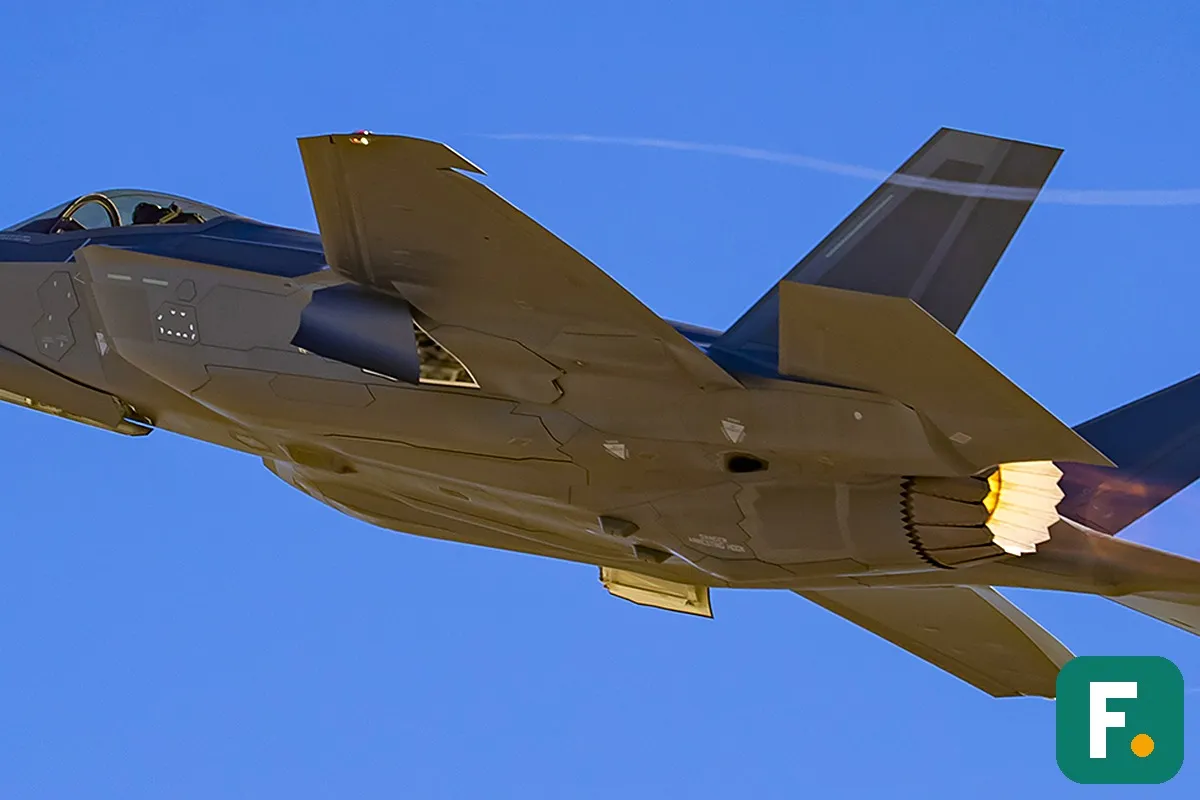
American Tower owns and runs wireless and broadcast towers, the tall structures that carry mobile phone and broadcast signals. Taiclet arrived at the company as chief operating officer in 2001, moved up to chief executive in October 2003, and took the chairman role in February 2004. While he led it, the company changed from a mainly United States business into a global communications infrastructure company, with assets and operations in 19 countries, and its market value grew from about $2 billion to more than $100 billion. He stayed as chief executive until 2020. The growth came from buying and building towers in new countries, from long term contracts with mobile operators, and from turning a simple asset, a tower, into a steady, rent based business. It was a very different business from defense, but it taught him how to run a large public company, how to raise money, and how to grow across borders, all skills he would need at Lockheed Martin.
Lockheed Martin announced in March 2020 that Taiclet would succeed Marillyn Hewson as president and chief executive, effective June 15, 2020, and he became chairman in March 2021. He had sat on the company board since January 2018, yet he had never worked inside Lockheed Martin before, so his first task was to learn a company with about 123,000 employees and four business segments: Aeronautics, Missiles and Fire Control, Rotary and Mission Systems, and Space. Aeronautics builds the F-35, the F-16, and the C-130J. Missiles and Fire Control builds missiles and missile defense. Rotary and Mission Systems builds Sikorsky helicopters and naval systems including Aegis. Space builds satellites and space systems. In 2025 the company reported sales of about $75 billion, with the F-35 alone making up about 27 percent of sales, or about $20 billion. More than 1,290 F-35s now fly in service around the world, and the fleet passed 1 million flight hours in 2025.
Under Taiclet, Lockheed Martin has pushed a plan he calls 21st Century Security, which links aircraft, missiles, satellites, and digital systems into one network, so that information can move quickly between them. In October 2026 the company reported third quarter sales of $20.71 billion, up 11.3 percent on the year before, and a record order backlog of $292 billion, after a new ten year F-35 agreement covering up to 850 United States aircraft. Taiclet is also a board member of the Council on Foreign Relations and co chair of its Task Force on Economic Security. His pay is largely in company stock, and in 2023 his total compensation was reported at $23.4 million, a figure that comes from company filings and trade reporting, not from a personal fortune that can be counted in public.
"Our munitions business is transforming to deliver at wartime speed and scale."
Jim Taiclet, Lockheed Martin third quarter 2026 update
The quote above fits the way Taiclet talks about his company. He does not present Lockheed Martin as a maker of single products, but as a supplier of speed and scale: more missiles, more aircraft, and faster delivery, at a time when governments are ordering in larger numbers. Whether that plan succeeds will be judged by delivery numbers, by the F-35 program, and by the backlog turning into finished aircraft and systems, not by speeches. That is the same test a pilot faces: a plan counts only when it is carried out on time.
Jennifer Lawrence vs Jim Taiclet: A Direct Comparison
- How they became known: Lawrence became known through performances, where success is judged by audiences, critics, and awards. Taiclet became known through results inside companies, where success is judged by sales, profit, and share price.
- Age at the top: Lawrence took her Oscar at 22 and, by 25, no other actress was earning more. Taiclet became chief executive of American Tower at 43 and of Lockheed Martin at 60.
- Money: Lawrence earned her money from film pay, endorsements, and producing, with reported paydays up to $25 million per film. Taiclet earned his from company stock and executive pay, with total compensation reported at $23.4 million in 2023.
- Public life: Lawrence lives in public, with interviews, red carpets, and constant press attention. Taiclet lives mostly in public only as a chief executive, in earnings calls, speeches, and company announcements, and keeps his family life private.
- Pressure: Lawrence faced pressure to perform in front of millions, with a single bad film able to damage her standing. Taiclet faced pressure to deliver aircraft and systems on time, with a single missed contract able to cost billions.
- Second act: Lawrence used her fame to start a production company and to make films she chose herself. Taiclet used his first chief executive job to learn how to run a global company, and then took on a larger one in a different industry.
Two different answers to one question emerge from this comparison: what does it take to reach the top, and what do you do once you are there? Lawrence reached the top young, through talent and a single breakthrough film, and then had to learn how to keep that position while growing up in public. Taiclet reached the top slowly, through the Air Force, consulting, and smaller leadership jobs, and then had to learn a new industry at 60. One path was fast and public. The other was slow and quiet. Both required the same core habit: years of work before the big job arrived, and a willingness to keep working after it did.
What Readers Often Get Wrong
- They are not related and they have no known business link. Lawrence is an actress and producer. Taiclet is a defense chief executive. No public record shows a family, romantic, or professional connection between them.
- Lawrence did not start in The Hunger Games. Her breakthrough was Winter's Bone in 2010, two years before Katniss Everdeen, and she was already an Oscar nominee before she became a franchise star.
- Lawrence did not win her Oscar for The Hunger Games or for American Hustle. Her Oscar win was for Silver Linings Playbook, and her American Hustle nomination was in the supporting category.
- Taiclet did not start his career at Lockheed Martin. He was an Air Force pilot, then a consultant, then an executive at Pratt and Whitney and Honeywell, then chief executive of American Tower, before he joined Lockheed Martin in 2020.
- Taiclet was not a fighter pilot in the usual sense. He flew the C-141B Starlifter transport aircraft, not a fighter jet, and his flying hours were mostly in that transport role.
- Lockheed Martin does not only make fighter jets. Its four segments cover aircraft, missiles, helicopters and naval systems, and space, and the F-35, while large, is only about 27 percent of sales.
Frequently Asked Questions
1. Are Jennifer Lawrence and Jim Taiclet related?
No. They are not relatives, friends in public record, or business partners. Lawrence works in film and producing. Taiclet works in defense and corporate leadership. This article compares them only as two famous biography subjects who reached the top in very different fields.
2. How did Jennifer Lawrence become famous so young?
A talent scout spotted her at 14 in New York, she moved to Los Angeles, and she worked in television before her breakthrough in Winter's Bone at 20. That film brought her a first Oscar nomination, and two years later The Hunger Games turned her into a global star. The Oscar for Silver Linings Playbook came next, at 22.
3. How much is Jennifer Lawrence worth?
The estimates do not agree. Widely reported 2026 estimates put her net worth at about $160 million, while Celebrity Net Worth puts it at about $180 million. Both rest on reported pay, endorsements, and property, not on a public filing, so this article gives the range rather than a single fixed total.
4. What did Jim Taiclet do before Lockheed Martin?
He was an Air Force pilot from 1985 to 1991, then a McKinsey consultant, then an executive at Pratt and Whitney and Honeywell Aerospace Services. In 2001 he joined American Tower, became chief executive in 2003 and chairman in 2004, and grew its market value from about $2 billion to more than $100 billion before he moved to Lockheed Martin in 2020.
5. What is Lockheed Martin best known for?
It is the world largest defense contractor, based in Bethesda, Maryland. Its best known product is the F-35 Lightning II fighter jet, with more than 1,290 in service around the world and more than 1 million flight hours by 2025. It also builds the F-16, the C-130J, Sikorsky helicopters, the Aegis system, missiles, and space systems.
6. What are Jennifer Lawrence and Jim Taiclet doing now?
Lawrence starred in and produced Die My Love, which premiered at Cannes in May 2025, and she continues to run her production company Excellent Cadaver. Taiclet continues as chairman, president, and chief executive of Lockheed Martin, where third quarter 2026 sales were $20.71 billion and the order backlog reached a record $292 billion.
Conclusion
These two lives show that greatness does not take a single shape. Lawrence greatness can be seen in a single night: an Oscar at 22, a franchise that took nearly $3 billion, and a face known around the world. Taiclet greatness can only be seen over decades: a pilot who became a consultant, a consultant who became a chief executive, and a chief executive who took charge of the largest defense company in the world at 60. Readers in a hurry can take the quick answer from the table at the top. Readers looking for a lesson can take the contrast instead: one person reached the top fast and had to learn how to stay there in public, the other reached the top slowly and had to learn a new industry in private. Both paths worked, because both were built on years of work before the big moment arrived, and on a decision, once it had arrived, to keep building rather than to stop.

About the author
Facts of Media Editorial Team
The Facts of Media Editorial Team is dedicated to delivering accurate, informative, and engaging content across media, technology, business, entertainment, and trending topics. Our team researches and reviews information to provide readers with reliable insights, useful facts, and the latest updates.
Related Articles
More in Biography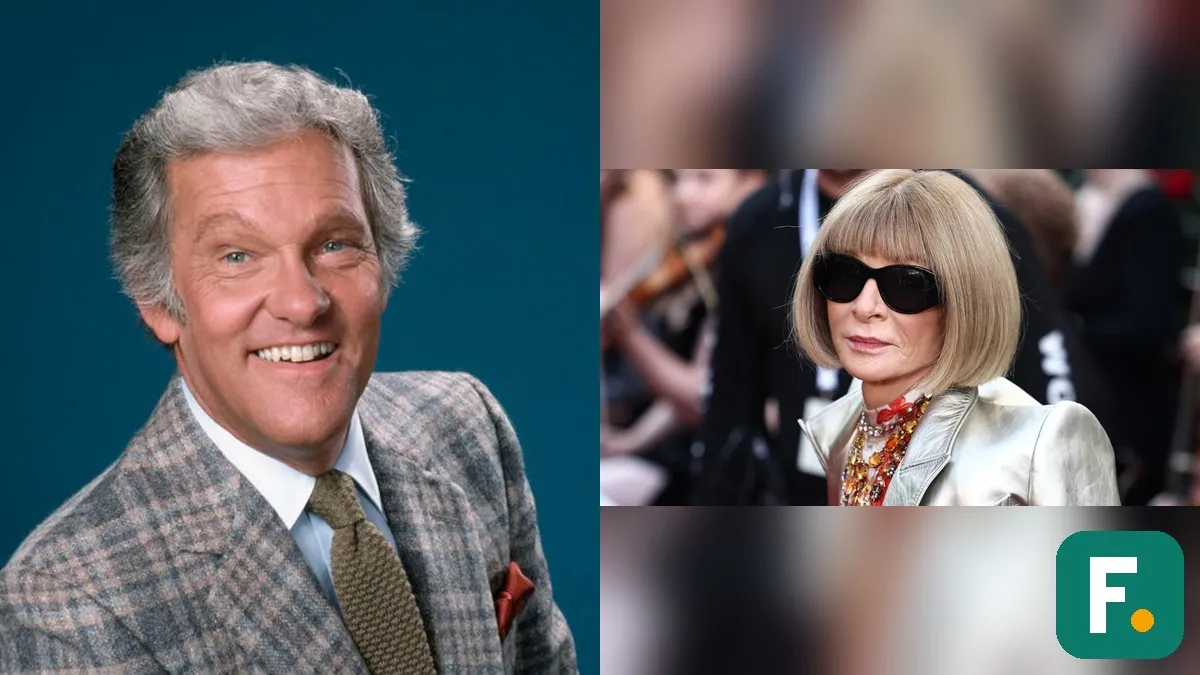
Tom Kennedy and Anna Wintour: Two Very Different Kinds of Power
Biography feature
BiographyTom Kennedy and Anna Wintour biography with Name That Tune, Password Plus, Vogue, the Met Gala, and two different routes to the top, explained simply.
Read article
Stephen King and Richard LeFrak: Two Very Different Kinds of Power
Biography feature
BiographyStephen King and Richard LeFrak biography with Carrie, The Shining, It, LeFrak City, Newport, and two different routes to the top, explained simply.
Read article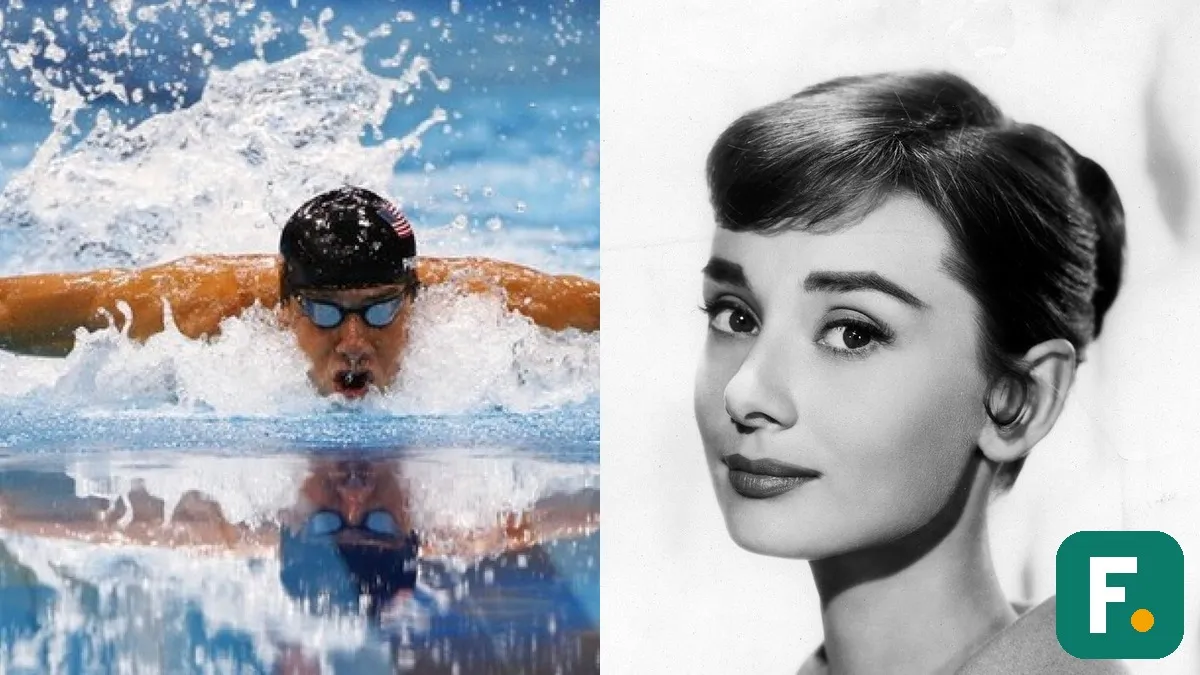
Michael Phelps and Audrey Hepburn: Two Kinds of Greatness
Biography feature
BiographyMichael Phelps and Audrey Hepburn biography with 28 Olympic medals, Roman Holiday, Breakfast at Tiffany's, and UNICEF work, explained simply.
Read article